The 'Quiet Rebrand' Playbook: How Celebrities Reinvent Themselves Without Ever Admitting They Were Broken
The Art of Never Saying Sorry
You know that feeling when your favorite celebrity suddenly looks... different? Not plastic surgery different, but vibe different. Maybe they chopped off their hair, started posting book recommendations instead of thirst traps, or randomly developed a passion for pottery. Congratulations — you've just witnessed a masterclass in the "quiet rebrand," Hollywood's most sophisticated PR maneuver.
Unlike the dramatic public apology tour or the tell-all interview confession, the quiet rebrand operates on a simple principle: never admit there was anything wrong with the old you. Instead, you just... become someone else entirely. It's gaslighting on a cultural scale, and honestly? It works every single time.
Phase One: The Visual Purge
Every successful quiet rebrand starts with what industry insiders call "the reset." Think Anne Hathaway's post-Oscar backlash pixie cut, or how Miley Cyrus mysteriously went from twerking chaos to bohemian earth goddess seemingly overnight. The physical transformation serves as a visual cue that we're dealing with a "new" person — one who definitely didn't do all those cringe things the old version did.
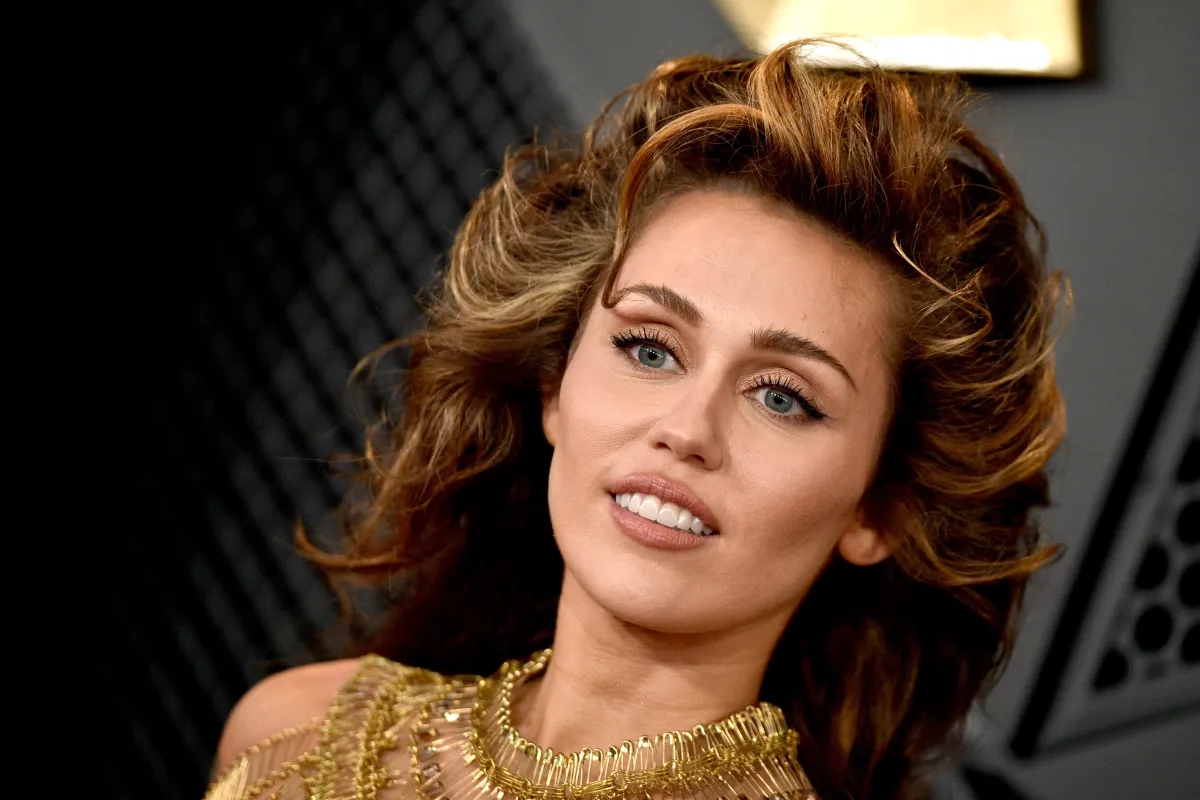 Photo: Miley Cyrus, via hips.hearstapps.com
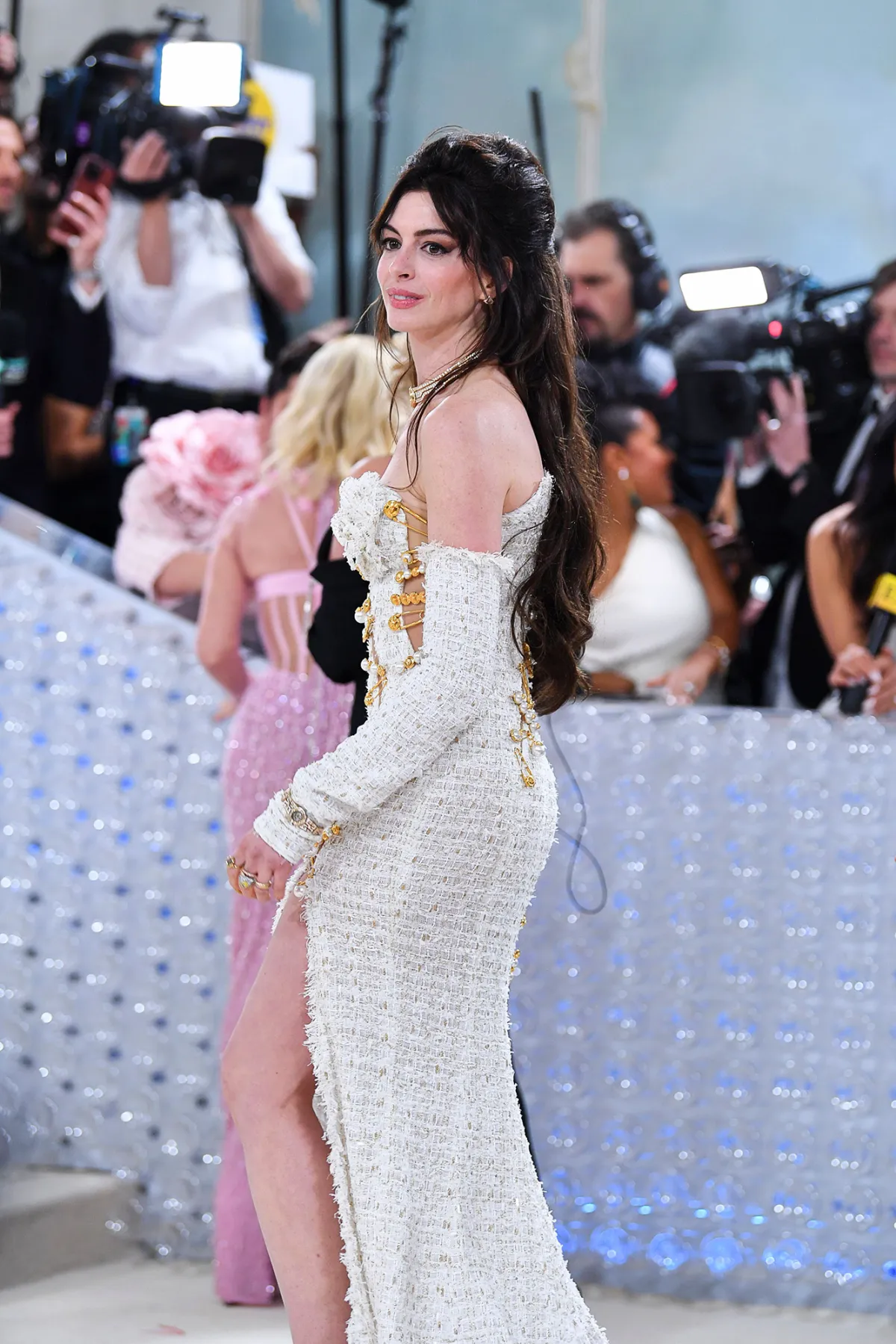 Photo: Anne Hathaway, via www.usmagazine.com
The hair change is crucial because it's immediate and undeniable. You can't scroll past a dramatic chop or color switch without noticing. It forces the conversation away from whatever mess preceded it and onto something fresh and harmless. "Did you see she went brunette?" is so much easier to discuss than "Remember when she said that problematic thing?"
But the visual rebrand goes deeper than just hair. Watch how these celebrities completely overhaul their Instagram aesthetic during a quiet rebrand. Gone are the party pics and controversial quotes, replaced by carefully curated shots of books, nature, and "candid" behind-the-scenes moments that scream authenticity. The message is clear: this person has evolved beyond their messy past.
The Passion Project Pivot
Once the visual reset is complete, phase two kicks in: the strategic pivot to "meaningful" work. Suddenly, the celebrity who was previously known for dating drama or social media feuds is executive-producing a documentary about mental health awareness or launching a sustainable fashion line.
This move is genius because it positions them as someone who's "grown" and found their "true calling" — without ever having to explain what they were doing wrong before. The subtext is that they were just young and figuring things out, and now they've found their purpose. It's redemption without accountability.
The passion project also serves another crucial function: it gives them something new to talk about in interviews. Instead of fielding questions about past controversies, they can redirect every conversation to their exciting new venture. "I'm really focused on my work with [insert worthy cause here] right now" becomes the perfect deflection.
The Carefully Timed Magazine Profile
No quiet rebrand is complete without the strategic magazine cover story — usually in a publication that's known for thoughtful, long-form profiles rather than gossip. The timing is everything: it needs to come after the visual transformation and passion project launch, but before the public has fully processed the change.
These profiles follow a predictable formula. The celebrity is photographed in natural light, minimal makeup, wearing something understated but expensive. The interview touches on their "journey" and "growth" without ever explicitly referencing what they're growing from. They talk about meditation, therapy, or finding balance — all coded language for "I've learned from my mistakes" without actually admitting to any mistakes.
The most effective profiles include a throwaway line about how they "don't really look at social media anymore" or how they're "focusing on what really matters." It's a subtle dig at their old self while positioning their current incarnation as more enlightened.
The Collaborative Cleanse
Perhaps the most telling aspect of a quiet rebrand is the sudden shift in collaborators. The celebrities, photographers, stylists, and brands associated with the old image quietly disappear, replaced by a new crew that aligns with the desired rebrand.
This is where you can really see the strategy at work. If someone's rebranding from party girl to serious artist, watch how their red carpet photographers change. The paparazzi-style shots disappear, replaced by editorial fashion photographers known for their artistic vision. Their social media suddenly features collaborations with indie brands instead of fast fashion giants.
The collaborative cleanse extends to their inner circle too. Old friends who were part of the problematic era get quietly phased out, while new, more "appropriate" friendships are strategically highlighted. It's social media friendship as image management.
Why We Fall for It Every Time
The quiet rebrand is so effective because it appeals to our desire to believe in redemption without forcing us to confront uncomfortable truths. We want to think people can change and grow, so we're predisposed to accept the new version at face value.
Plus, there's something satisfying about feeling like we "discovered" someone's evolution. When a celebrity's rebrand is subtle enough, we feel smart for noticing the change rather than manipulated by it. We become complicit in the narrative that this person has naturally matured, rather than acknowledging that we're watching a carefully orchestrated PR campaign.
The quiet rebrand also benefits from our short attention spans. By the time the transformation is complete, the original controversy feels like ancient history. The new version becomes the default, and questioning it starts to feel petty or obsessive.
The Long Game
What makes the quiet rebrand so insidious is its permanence. Unlike a public apology that can be dissected and criticized, the quiet rebrand doesn't give critics much to grab onto. How do you argue with someone's hair color or career choices?
The celebrities who master this technique often emerge stronger than before, with their past controversies feeling increasingly irrelevant. They've managed to hit the reset button on their public image without ever having to admit there was anything wrong with the original version.
In an era where cancel culture feels like a constant threat, the quiet rebrand has become Hollywood's favorite insurance policy — a way to shed problematic associations while maintaining plausible deniability about ever having had them in the first place.