Fortress Fabulous: The Booming Business of Building Celebrity Homes That Cameras Simply Cannot Crack
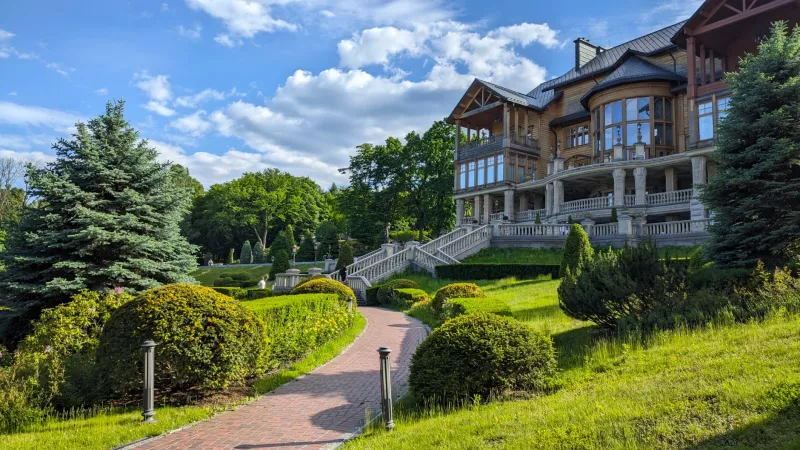
Somewhere in the hills above Los Angeles, a very famous person is standing in their backyard, completely invisible to the outside world, surrounded by eighteen-foot Italian cypress trees, a strategically angled roofline, and enough reinforced landscaping to make the Secret Service weep with envy. They paid somewhere north of $4 million for the privilege. And they are absolutely thriving.
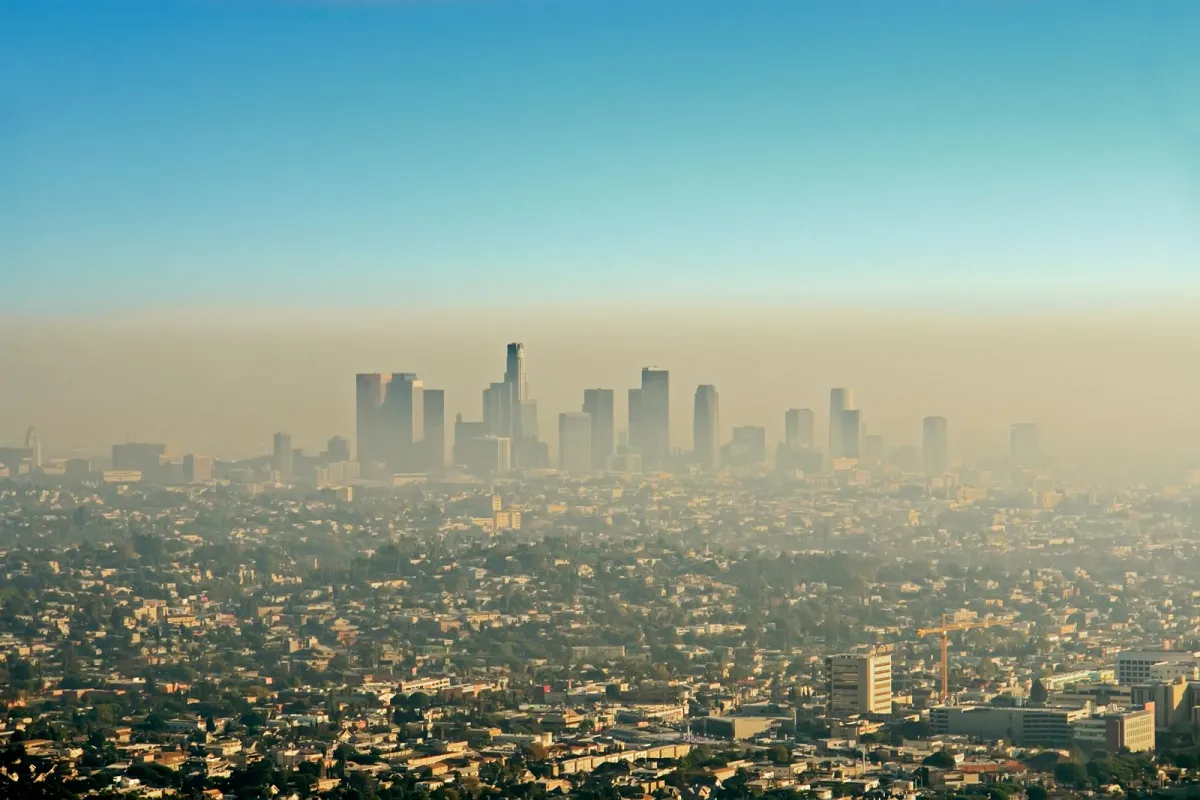 Photo: Los Angeles, via cdn.britannica.com
Welcome to the latest frontier in celebrity real estate: the anti-paparazzi home renovation. It's discreet, it's expensive, and it's quietly becoming one of the hottest niches in luxury architecture. If you haven't heard about it, that's entirely the point.
The Lens Is Coming From Inside the Neighborhood
For decades, celebrities and paparazzi have existed in a kind of mutually beneficial arms race — stars get exposure, photographers get paid, tabloids get content, and everyone pretends the whole arrangement is accidental. But something shifted around the mid-2010s when drone technology became accessible, Google Maps satellite imagery became high-resolution enough to identify a pool float, and long-lens camera equipment got light enough to operate from a moving vehicle.
Suddenly, the celebrity home — previously just a backdrop for the occasional approved architectural digest shoot — became a surveillance target. And A-listers, already spending small fortunes on security teams and PR firms, started calling architects with a very specific brief: make my house disappear.
According to reporting from Architectural Digest and several luxury real estate trade publications, a growing number of high-end architecture and landscape firms on both coasts now offer what insiders are calling 'privacy-first design' as a dedicated service line. The features read like a Cold War spy manual reimagined by an interior designer: underground garages with covered approaches, decoy driveways that lead to nothing, rooflines deliberately angled to prevent aerial photography, and layered perimeter landscaping engineered to block sight lines from every possible angle — including directly above.
What Your $20 Million Hedge Is Actually Buying You
The landscaping component alone has become its own subindustry. Mature Italian cypress trees, which can reach thirty feet and provide near-total visual coverage, reportedly go for anywhere between $500 and $1,500 per tree when sourced at full height — and celebrity properties aren't planting one or two. They're planting walls of them, sometimes running the full perimeter of lots that span multiple acres.
Beyond the greenery, privacy glass technology — which appears opaque from outside but transparent from within — has become a standard request in celebrity renovation packages. One Beverly Hills-based design firm, speaking to Architectural Digest without naming clients, described demand for privacy glass doubling in the last three years alone. Add in acoustic fencing, motion-sensor lighting arrays designed to blind rather than illuminate, and covered motor courts that prevent photographers from identifying arriving vehicles, and you're looking at renovation packages that routinely crack seven figures before anyone picks a tile for the kitchen.
Then there's the Google Maps problem. Yes, really. Several celebrities have reportedly hired consultants specifically to manage how their properties appear in satellite imagery — a task that involves everything from strategic canopy planting to formally requesting image updates from mapping platforms. One source familiar with the process, speaking to a real estate trade publication on background, described it as 'playing whack-a-mole with a satellite.'
The Underground Railroad of Celebrity Arrivals
Perhaps the most elaborate anti-paparazzi feature gaining traction is the underground or covered garage system — not just a standard basement parking situation, but a fully engineered arrival-and-departure corridor designed so that a celebrity can move from vehicle to interior without ever being visible from outside the property line. Some versions include covered walkways connecting detached guest structures. Others feature what one architect described, diplomatically, as 'multi-entry redundancy' — which, translated from luxury-real-estate-speak, means multiple ways in and out that are invisible to anyone standing on a public street.
A handful of ultra-high-net-worth properties in the Hollywood Hills and Bel Air have reportedly taken this further, incorporating what amounts to a private tunnel system — a feature that, depending on your architectural inspiration, reads either as extremely practical or extremely Batman.
 Photo: Bel Air, via static1.srcdn.com
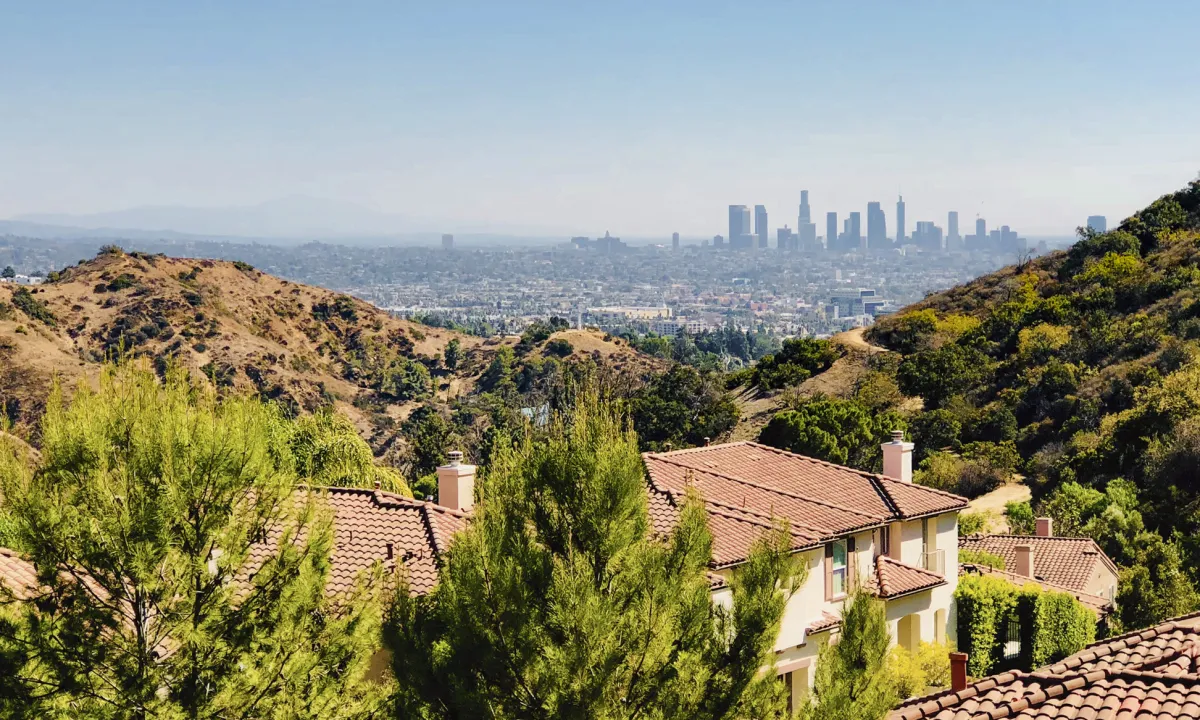 Photo: Hollywood Hills, via images.contentstack.io
The Irony That Launched a Thousand Memes
Here's the part that makes entertainment journalists — and, frankly, the photographers themselves — laugh until they cry: many of the same celebrities spending millions to make their homes paparazzi-proof are the exact same celebrities who, when the time comes to sell, announce the listing to their publicist before they call the realtor, seed the property details to Architectural Digest, and arrange a very tasteful, very controlled photo spread that reveals exactly the same home they just spent four years making invisible.
The calculus isn't complicated. Privacy is a luxury product when you want it. Exposure is a marketing tool when you need it. The anti-paparazzi renovation and the approved magazine spread are two sides of the same carefully managed coin, and the architecture firms building these fortresses know it. Several reportedly include media-ready photography packages — optimal angles, lighting setups, approved sight lines — as part of their standard client service. Just in case.
What the Photographers Say
The paparazzi community, for its part, has adapted. Long-lens operators who work the celebrity real estate beat describe an ongoing technical escalation — higher-resolution equipment, more sophisticated drone rigs, AI-assisted image enhancement — that mirrors, almost exactly, the countermeasures being deployed against them. 'Every time a new hedge goes up, there's a new lens that sees over it,' one veteran entertainment photographer told a trade publication, speaking anonymously. 'It's not personal. It's geometry.'
Whether the geometry ultimately favors the celebrities or the cameras probably depends on how much money each side is willing to spend. And if recent renovation permit filings in Los Angeles County are any indication, the celebrities are currently winning — at least until the next generation of drone technology hits the consumer market.
In the meantime, somewhere behind a very expensive wall of Italian cypress, a very famous person is enjoying their Sunday brunch in complete, meticulously engineered peace — and their publicist is already drafting the Architectural Digest pitch.