We Sat in Your Favorite Celebrity's Chair — The Unfiltered Truth About Being an Award Show Seat Filler

We Sat in Your Favorite Celebrity's Chair — The Unfiltered Truth About Being an Award Show Seat Filler
Picture this: it's the Grammys. The cameras are live. The orchestra is tuned. And somewhere in the third row, a 24-year-old from Burbank who works part-time at a smoothie bar is sitting in a seat that belongs to a three-time Grammy winner who just slipped backstage to use the bathroom. She has been instructed not to look directly at the person to her left, not to initiate conversation under any circumstances, and under absolutely no condition to take out her phone.
 Photo: the Grammys, via faroutmagazine.co.uk
She is a seat filler. She is invisible by design. And she has seen things.
What a Seat Filler Actually Does (And Why They Exist)
For the uninitiated: seat fillers are the unsung civilian army that major award shows — the Grammys, the Oscars, the Emmys, the Golden Globes — quietly deploy to solve a very specific and very televised problem. When a celebrity leaves their seat to present an award, accept a trophy, do an interview, or simply escape for fifteen minutes of non-camera-facing oxygen, that empty chair becomes a visual liability. Award shows live and die on the illusion of a packed, engaged, glamorous house. Empty seats destroy that illusion immediately.
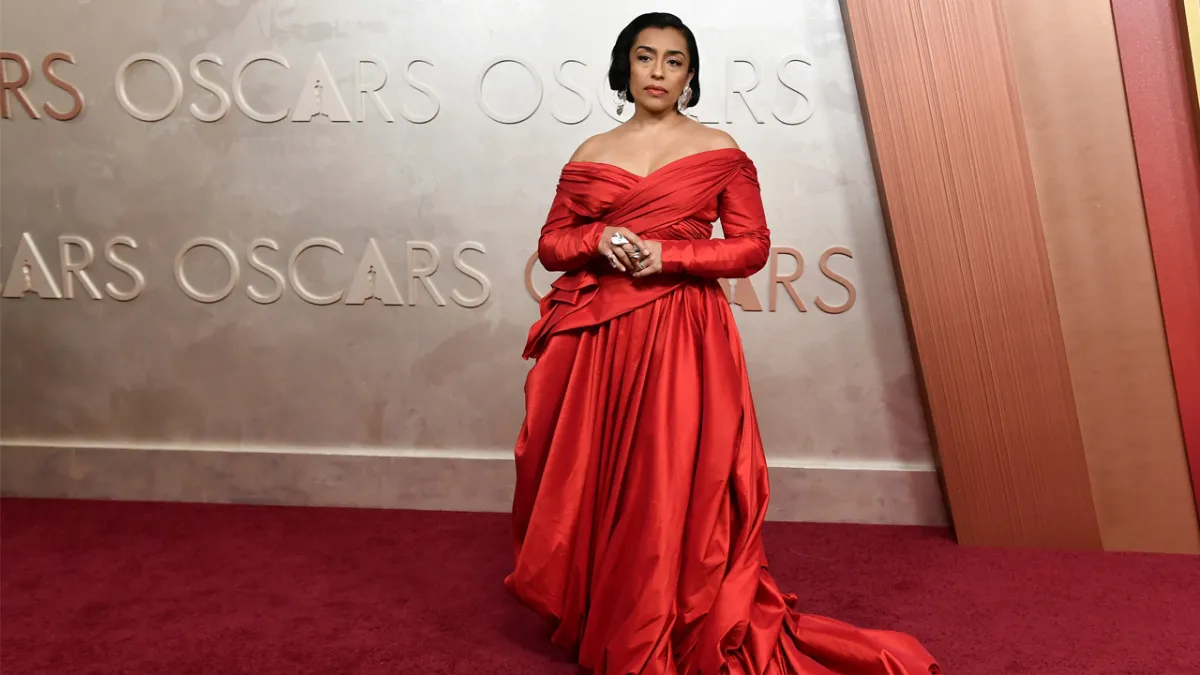 Photo: the Oscars, via cdn.abcotvs.com
Seat fillers exist to prevent that. They are recruited through a combination of entertainment industry connections, volunteer programs, and semi-open applications that circulate in certain Los Angeles and New York social circles. They receive minimal pay — sometimes a small stipend, sometimes nothing beyond the experience itself — and in exchange they get access to one of the most surreal evenings of their lives, governed by a rulebook that reads like it was written by someone with severe anxiety and an unlimited legal budget.
The Rules, Which Are Extensive and Extremely Specific
Every seat filler who has ever done this job will tell you the same thing first: the briefing is intense. Before the show, seat fillers are gathered and walked through a list of protocols that would not feel out of place at a diplomatic summit.
No phones. This is non-negotiable and enforced. The phones are either surrendered or sealed in bags that would embarrass a high-security federal facility. The reasoning is obvious — one candid photo from two feet away from a major celebrity, posted to social media in real time, would be a PR catastrophe for the network, the production, and every publicist in a five-mile radius.
No autographs. No selfies. No "I love your work" unless directly spoken to first, and even then, keep it brief and do not escalate. One account from a former seat filler, shared anonymously on a Reddit thread that briefly went viral in entertainment circles, described the specific instruction: "You are furniture. Friendly, presentable furniture."
No lingering. The moment the celebrity whose seat you are occupying begins their return journey from the aisle, you move. Immediately. Gracefully. Without creating a scene. The choreography of a professional seat filler vacating a chair while a major star is mid-descent is, by all accounts, genuinely impressive to witness.
The Actual Encounters (Which Are Exactly as Chaotic as You're Imagining)
Despite the rules — or perhaps because the rules create such a pressure-cooker environment — the stories that emerge from seat filler experiences are consistently, reliably unhinged.
Multiple former seat fillers, speaking in online forums and occasional anonymous interviews with entertainment outlets, have described variations of the same core experience: the profound cognitive dissonance of sitting in a folding chair next to someone whose face is on a billboard outside, while both of you pretend this is a completely normal situation.
One account describes being seated next to a major action film star who, unprompted, began critiquing the sound mixing of the live orchestra under his breath for approximately seven minutes. The seat filler, bound by every rule they'd been given, stared forward and nodded occasionally. "I just kept thinking, he doesn't know I exist, and somehow that made it better," the account read.
Another describes the specific horror of accidentally making sustained eye contact with a legendary actress during a commercial break, receiving a slow, evaluating look in return, and then watching the actress simply turn back to face the stage without a word. "I aged five years in four seconds," they wrote.
There are warmer stories too. A handful of accounts describe celebrities who, fully aware of the seat filler protocol, quietly broke it themselves — offering a brief introduction, a genuine "thanks for doing this," or in one memorable account, sharing a piece of gum during an extended commercial break with a whispered "you look like you need this."
The NDA Industrial Complex, Seat Filler Edition
Here's the thing about all those stories: most of the people who have them cannot legally tell them. The non-disclosure agreements attached to seat filler participation at major productions are, by multiple accounts, thorough. The specific celebrities named, the specific conversations had, the specific incidents witnessed — all of it sits behind legal language that most civilians are not equipped to navigate.
What leaks out does so anonymously, in bursts, usually years after the fact when the statute of limitations on anyone caring has presumably expired. The Reddit threads, the blind items, the "asking for a friend" posts on entertainment forums — that's where the real seat filler oral history lives, and it is genuinely worth an afternoon of your time.
What the Production Actually Thinks of Them
From a production standpoint, seat fillers are essential and completely disposable in the same breath. They solve a real logistical problem with minimal cost. They are briefed, deployed, and released without fanfare. The best ones, production coordinators have noted in industry trade interviews, are the ones you genuinely cannot identify in the broadcast footage — which is, of course, the entire goal.
There is a small, dedicated community of repeat seat fillers who have learned the rhythms of specific shows, know which aisles move fastest, and can navigate the floor plan of a major venue in the dark. They are, in the most niche possible sense, professionals. They do not get credits. They do not get mentioned. They get a story they can only half-tell.
What to Watch For
The next time you're watching a major award show and the camera sweeps across the audience between categories, take a closer look at the faces filling every seat. Some of them are assistants. Some are plus-ones. And some of them are civilians living the most surreal three hours of their entire lives, sitting on their hands, staring forward, and mentally composing the Reddit post they will write in approximately two years.
Hollywood's most glamorous nights run on invisible labor — and the people doing it aren't even allowed to Instagram it.