The Understudy Economy: How Celebrity Lookalikes Are Quietly Cashing In on Someone Else's Fame

The Understudy Economy: How Celebrity Lookalikes Are Quietly Cashing In on Someone Else's Fame
While celebrities obsess over protecting their image rights and trademark their catchphrases, an entire shadow economy has emerged around people who just happen to look like them. Welcome to the understudy economy, where your face is your fortune — even if it's not technically your face.
The numbers are staggering. Professional celebrity lookalikes are commanding appearance fees between $5,000 and $25,000 per event. TikTok impersonators with convincing resemblances are landing brand partnerships worth more than many actual influencers earn. And talent agencies are now actively scouting for doppelgangers with the same intensity they once reserved for discovering the next big star.
The Digital Gold Rush
Social media has transformed the lookalike game from a novelty act into a legitimate career path. A convincing Taylor Swift doppelganger can rack up millions of views with a single TikTok, while Timothée Chalamet lookalikes are booking fashion campaigns and music video appearances.
 Photo: Timothée Chalamet, via healthjade.net
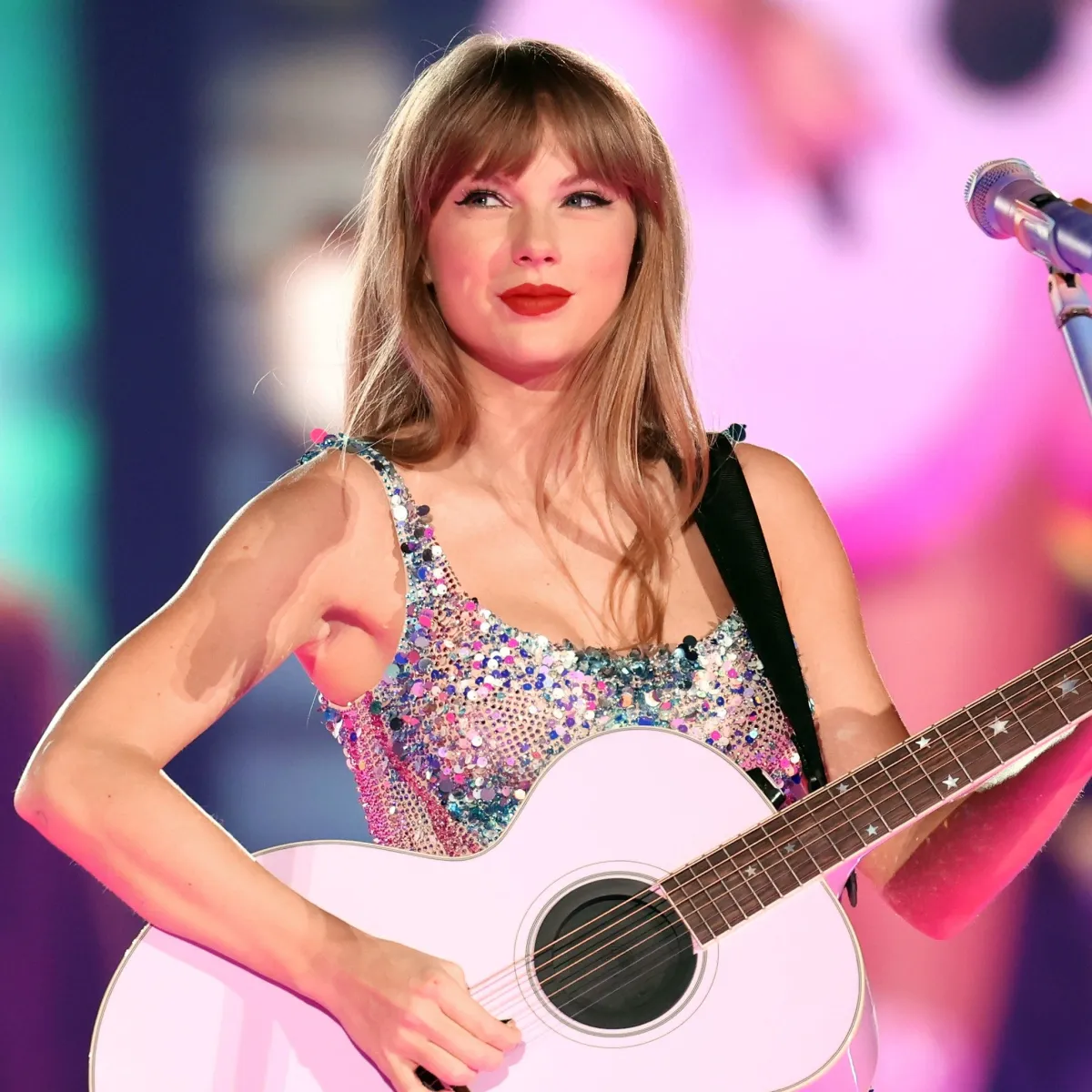 Photo: Taylor Swift, via wallpaperbat.com
"The demand is insane," says Marcus Chen, who runs a talent agency specializing in celebrity impersonators. "We have clients making more money than working actors. Some of our top lookalikes are booked solid for months in advance."
The pandemic accelerated this trend as virtual events created new opportunities for lookalike appearances. Why pay a celebrity's seven-figure appearance fee when you can hire their doppelganger for a fraction of the cost?
The Science of Similarity
Not all lookalikes are created equal. The most successful ones understand that resemblance goes beyond physical features. They study mannerisms, perfect vocal inflections, and master the subtle details that make their impersonation convincing.
Some invest thousands in professional styling, dental work, and even cosmetic procedures to enhance their resemblance. It's a calculated investment in their earning potential — cosmetic surgery as career development.
"I spent $15,000 on my teeth and nose to look more like her," admits one Ariana Grande impersonator who requests anonymity. "But I made that back in three months of bookings. It's basic business math."
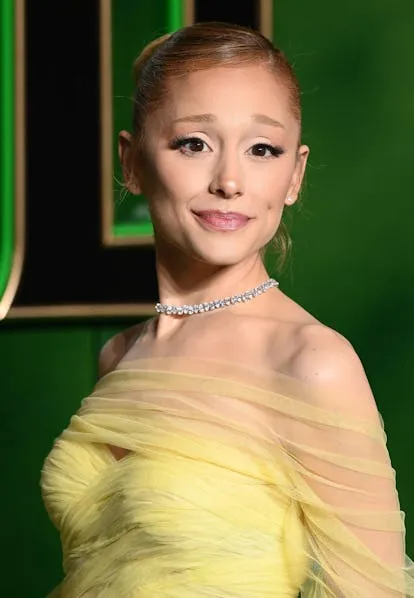 Photo: Ariana Grande, via imgix.bustle.com
The Legal Gray Zone
The lookalike economy exists in a fascinating legal limbo. While celebrities can't copyright their faces, they can trademark certain aspects of their persona. The line between homage and infringement is constantly being tested in courtrooms around the world.
Entertainment lawyers report a surge in cease-and-desist letters targeting lookalikes who get too successful. The irony is that the more convincing and profitable the impersonation, the more likely it is to attract legal attention.
"It's a high-risk, high-reward game," explains intellectual property attorney Jennifer Walsh. "You're essentially building a business around someone else's identity. The bigger you get, the bigger the target on your back."
When Celebrities Fight Back
Some stars have embraced their doppelgangers, even collaborating with them on content. Others have gone to war. Legal battles between celebrities and their lookalikes have become increasingly common, with some cases reaching settlement amounts in the six figures.
One high-profile case involved a Kardashian lookalike who was allegedly making more money than some actual reality TV stars. The legal fees alone reportedly exceeded $500,000, though the final settlement terms remain confidential.
The Agency System
Talent agencies have created entire divisions dedicated to lookalike representation. These agencies maintain databases of doppelgangers, complete with professional headshots and resemblance ratings. Some even offer "resemblance enhancement" services, connecting lookalikes with stylists and coaches to maximize their earning potential.
"We treat them like any other talent," says agency executive Rebecca Martinez. "They have headshots, reels, and professional representation. The only difference is their unique selling proposition happens to be looking like someone else."
The most successful agencies maintain strict quality standards. They regularly audit their talent roster, dropping lookalikes whose resemblance fades or who fail to maintain the necessary physical standards.
The Psychology of Fandom
What drives people to pay money to meet someone who's pretending to be their favorite celebrity? Psychologists studying fan behavior suggest that lookalike interactions satisfy a desire for celebrity proximity without the astronomical costs or logistical impossibility of meeting the real person.
"It's fantasy fulfillment at an accessible price point," explains Dr. Amanda Foster, who studies parasocial relationships. "Fans know it's not really their idol, but the experience still provides emotional satisfaction."
Some lookalikes report that fans become emotionally attached to them as individuals, creating a strange dynamic where they're simultaneously celebrated for being someone else and resented for not being the real person.
The International Market
The lookalike economy has gone global, with different markets showing preferences for different types of impersonators. Asian markets particularly value K-pop lookalikes, while Latin American markets show strong demand for telenovela star doppelgangers.
Some lookalikes have built international careers, traveling from market to market based on where their particular resemblance is most valued. It's celebrity arbitrage — maximizing earning potential by finding the markets that most appreciate your specific type of borrowed fame.
The Technology Threat
Deepfake technology and AI-generated avatars pose an existential threat to the lookalike industry. Why hire a human impersonator when you can digitally create a perfect replica? Some agencies are already pivoting, offering "hybrid services" that combine human lookalikes with digital enhancement.
"The technology is getting scary good," admits one veteran lookalike. "I'm diversifying my skills because I know this gravy train won't last forever."
The Ethical Questions
The booming lookalike economy raises uncomfortable questions about identity, authenticity, and exploitation. Are these performers artists creating their own interpretation of celebrity personas, or are they simply profiting from genetic coincidence?
Some critics argue that the industry commodifies human appearance in troubling ways, while supporters maintain that lookalikes are entrepreneurs making the most of their natural assets.
What's Next for the Doppelganger Business
As the industry matures, we're seeing increased professionalization. Lookalike conventions, industry associations, and even specialized insurance policies for impersonators. Some predict the emergence of lookalike unions and collective bargaining agreements.
The most successful lookalikes are already thinking beyond impersonation, using their resemblance as a launching pad for their own careers in entertainment. They understand that borrowed fame can be a stepping stone to authentic stardom.
The understudy economy reveals something profound about our relationship with celebrity culture. In a world where fame is the ultimate currency, even the appearance of fame has become valuable enough to build entire careers around — and the original celebrities are starting to take notice.