The 'Charity Auction' Circuit: How Celebrities Turn Philanthropy Into the Ultimate PR Move

When Good Deeds Come With Good Press
Every year, the same ritual plays out across America's charity auction circuit: A-listers donate "priceless" experiences, their teams send out carefully crafted press releases, and suddenly everyone's talking about how generous [insert celebrity name here] is. But scratch beneath the surface of this feel-good theater, and you'll find a sophisticated PR machine where tax benefits meet headline placement — and the real winners might not be the charities at all.
The celebrity charity auction has become Hollywood's favorite win-win-win scenario. Stars get glowing coverage, tax deductions, and the warm glow of public goodwill. Charities get celebrity wattage and (hopefully) serious dollars. And the media gets easy content that writes itself. It's philanthropy as performance art, and business is booming.
The Auction Block Academy Awards
Take a scroll through any major charity auction catalog, and you'll see the same greatest hits: dinner with [Celebrity A], a walk-on role in [Celebrity B]'s next project, or a personalized video message from [Celebrity C]. These offerings have become so standardized, there's practically a menu.
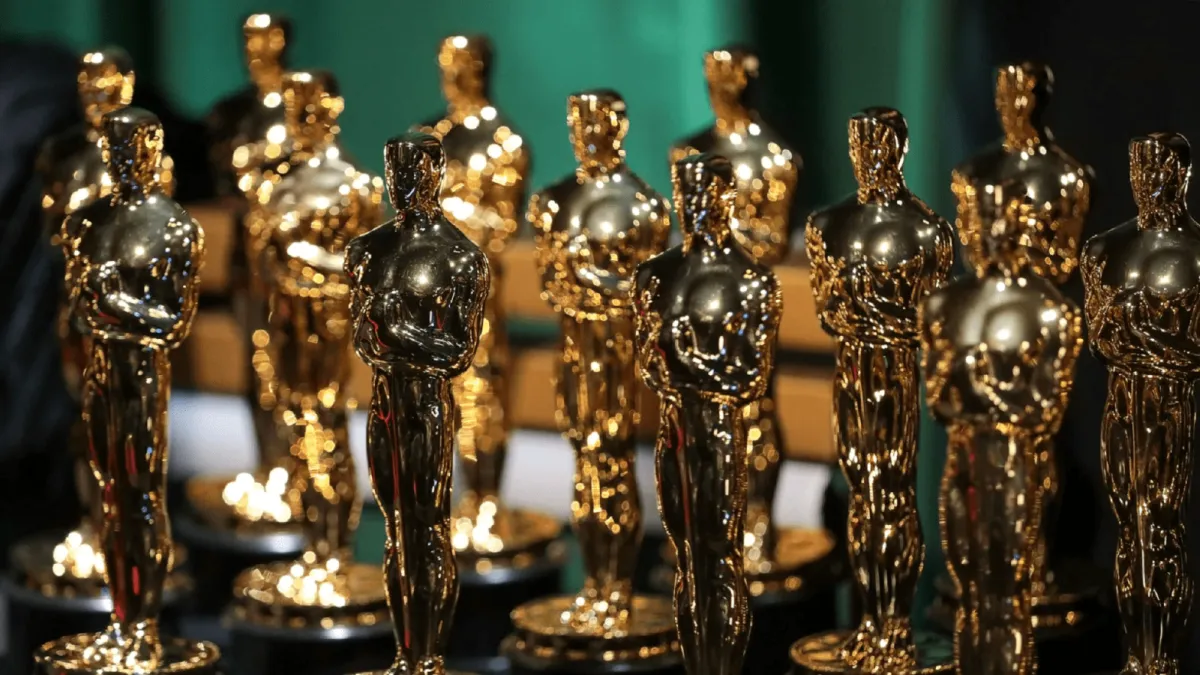 Photo: Academy Awards, via i0.wp.com
The sweet spot? Experiences that cost the celebrity almost nothing but sound impossibly exclusive. A 30-minute Zoom call can sell for $10,000. A signed guitar might fetch $25,000. And that "priceless" dinner date? The star's assistant books their usual restaurant, the celebrity shows up for two hours, and everyone wins — except maybe the charity, which has to split the proceeds with auction house fees and event costs.
"The math is pretty simple," explains one former charity coordinator who worked with A-list donors. "A celebrity might donate something that costs them an hour of time, generate $50,000 for the cause, and get $200,000 worth of positive press coverage. Plus a nice tax write-off. It's the most efficient PR spend in Hollywood."
The Publicist's Charity Shopping List
Not all charities are created equal in the celebrity philanthropy game. Publicists have become remarkably strategic about which causes get the star treatment, often favoring organizations that guarantee maximum media coverage and align with their client's brand goals.
Children's hospitals? Always a safe bet. Environmental causes? Perfect for the eco-conscious celebrity rebrand. Arts education? Ideal for the actor pivoting to "serious" projects. The charity selection process has become as calculated as any movie role choice.
"We literally have spreadsheets," admits one publicist who works with multiple A-listers. "Media reach, demographic alignment, photo opportunities, potential for ongoing partnership. It's not cynical — it's professional. Our clients want to make a real impact, but they also need to protect their brand."
When the Cameras Stop Rolling
The most telling moments happen after the auction hammer falls. How many celebrities actually show up for those dinner dates they donated? How many follow through on the movie cameos? And when they do, how much additional publicity do they squeeze from the "fulfillment"?
Some stars have turned charity fulfillment into a second round of PR. That dinner date becomes an Instagram story. The movie cameo gets behind-the-scenes content. The hospital visit generates a follow-up People magazine feature. It's philanthropy with a built-in content calendar.
 Photo: People magazine, via people.com
Meanwhile, some of the highest-dollar auction items never quite materialize as promised. Dinner dates get postponed indefinitely. Movie roles turn into brief phone calls. And those "exclusive" experiences often come with so many handlers and restrictions that the winners wonder what exactly they paid for.
The Tax Write-Off Tango
Here's where the charity auction game gets really interesting from a financial perspective. When a celebrity donates their "time" or "experience," the IRS valuation can be surprisingly generous. That dinner date might cost the star two hours and a meal, but the tax write-off could be based on the auction sale price — creating a scenario where good deeds literally pay for themselves.
"It's not illegal, but it's definitely creative accounting," notes one entertainment lawyer who specializes in celebrity finances. "The tax code around charitable donations of services and experiences has some very favorable interpretations for high earners."
The Charity Industrial Complex
The most successful celebrity charity auctions have spawned an entire ecosystem of professional organizers, catalog designers, and publicity specialists who know exactly how to package star power for maximum impact. These events have become so sophisticated that some celebrities now have dedicated charity teams — separate from their regular publicists — whose only job is managing philanthropic opportunities.
The result is a charity circuit that runs like clockwork: the same celebrities, the same types of donations, the same media coverage, year after year. It's effective, it's efficient, and it raises real money for real causes. But it's also become so systematized that the spontaneity and genuine emotion of charitable giving has been almost entirely optimized away.
The Bottom Line on Doing Good
None of this is to say that celebrity charity auctions don't work or that stars don't genuinely care about the causes they support. Millions of dollars get raised, important work gets funded, and awareness gets spread to audiences who might never have heard of these organizations otherwise.
But the next time you see a headline about a celebrity's "generous donation" to a charity auction, remember that you're looking at a carefully orchestrated business transaction where everyone's getting something valuable in return — and the biggest winner might not be the charity at all.
In Hollywood's version of philanthropy, doing good and looking good have become the same thing — and that's a PR strategy money can't buy.