The 'Unplugging' Announcement That Always Comes With a Comeback Tour: How Celebrity Social Media Breaks Are the New Press Releases
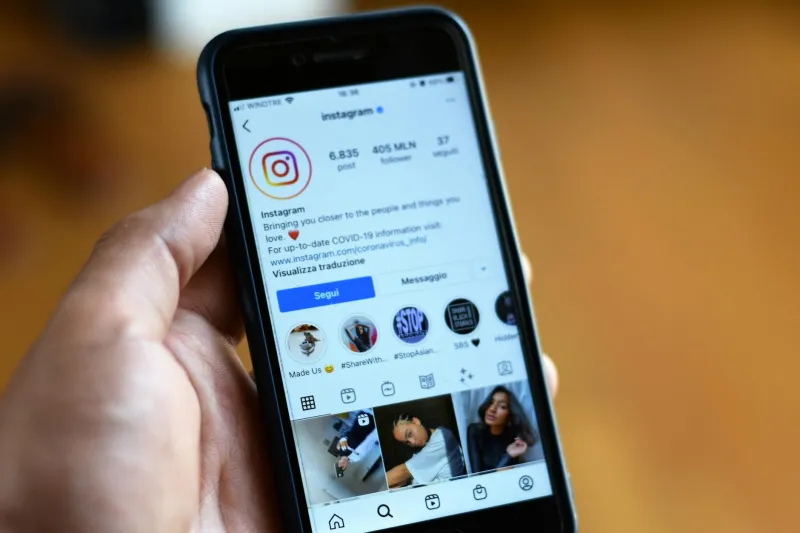
The Digital Detox That's Really a Marketing Reset
We've all seen the script by now: beloved celebrity posts a heartfelt note about needing to "step away from the noise," cites mental health concerns, maybe throws in some gratitude for their fans, and then... radio silence. Six to eight weeks later, they're back with perfectly curated content promoting their new album, movie, or brand deal. Coincidence? Hardly.
The celebrity social media break has quietly evolved from genuine self-care into one of the most effective PR strategies in Hollywood's playbook. And honestly? It's kind of genius.
The Timeline That Tells the Truth
Let's talk patterns. Justin Bieber announced his Instagram hiatus in 2021, citing the need to "protect his energy." He returned exactly two months later to promote his Justice World Tour. Selena Gomez has perfected the art of the strategic retreat, stepping away from platforms multiple times only to resurface with major project announcements. Even Kanye West — sorry, Ye — has weaponized the digital disappearing act, though his returns tend to be more... explosive.
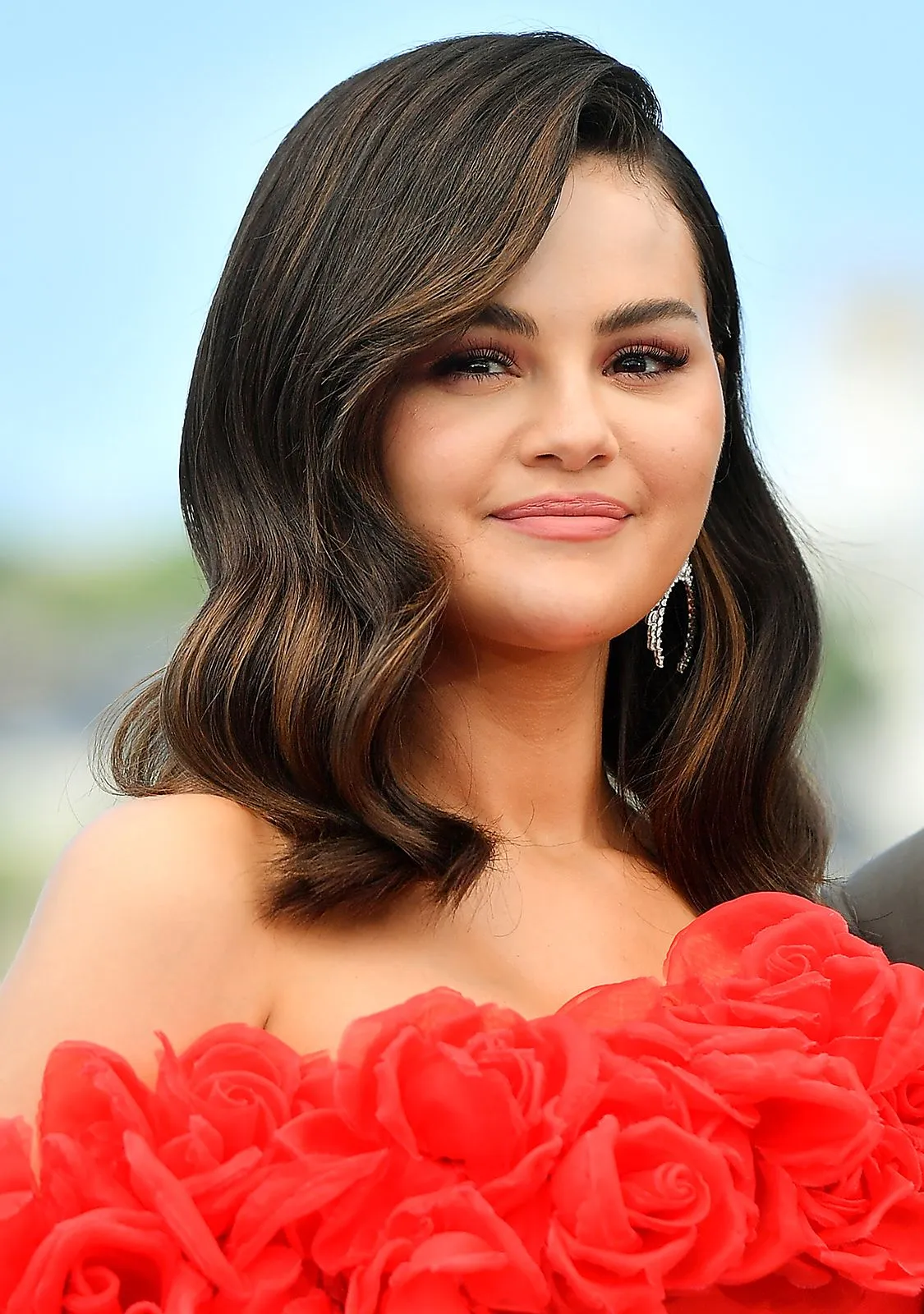 Photo: Selena Gomez, via cdn.britannica.com
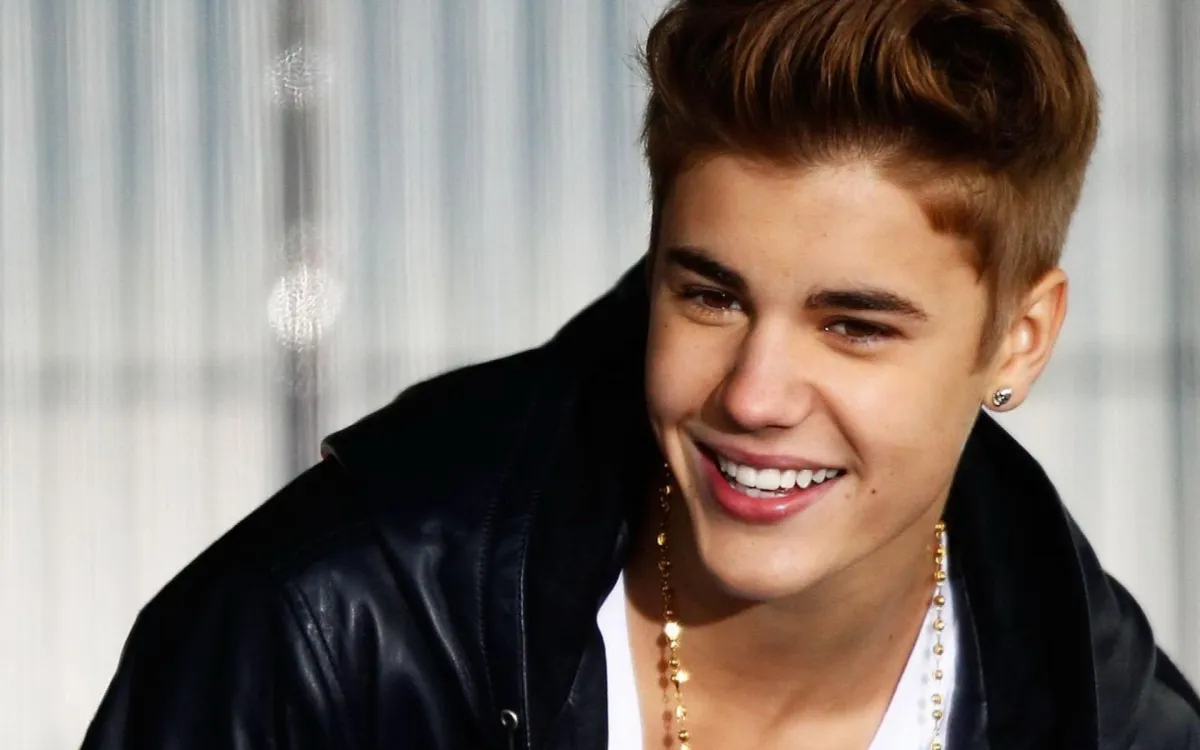 Photo: Justin Bieber, via eskipaper.com
The math is pretty simple: disappear for 4-8 weeks (long enough for people to miss you, not long enough for them to forget you), let the anticipation build, then come back swinging with whatever you're selling. It's the entertainment industry's version of playing hard to get.
Why the Formula Works So Well
Think about it from a psychological standpoint. When your favorite celebrity suddenly goes quiet, you notice. You start paying attention to when they might return. You check their accounts more frequently. You engage with fan theories and speculation posts. By the time they actually come back, their audience is primed and ready to consume whatever content they're serving.
"It's brilliant because it creates scarcity in an oversaturated market," explains digital marketing expert Sarah Chen, who's worked with several A-list clients. "When everyone is posting constantly, the person who steps away becomes the most interesting person in the room."
Plus, there's the built-in sympathy factor. Mental health awareness has rightfully become a priority, so when celebrities frame their breaks around self-care, it's hard to criticize. And maybe some of these breaks are genuinely about mental health — but the timing sure is convenient.
The Supporting Cast of Strategic Silence
The really sophisticated celebrities don't just disappear — they orchestrate their absence. Their teams continue posting throwback content to keep their accounts active. Friends and collaborators start mysteriously posting cryptic messages. Paparazzi photos of them looking "refreshed" and "focused" start circulating. It's like a movie trailer for their eventual return.
Take Taylor Swift's various social media blackouts. Before each major era announcement, she'd go completely dark, scrub her accounts, and let the Swifties work themselves into a frenzy of speculation. By the time she returned with new music, the engagement was through the roof.
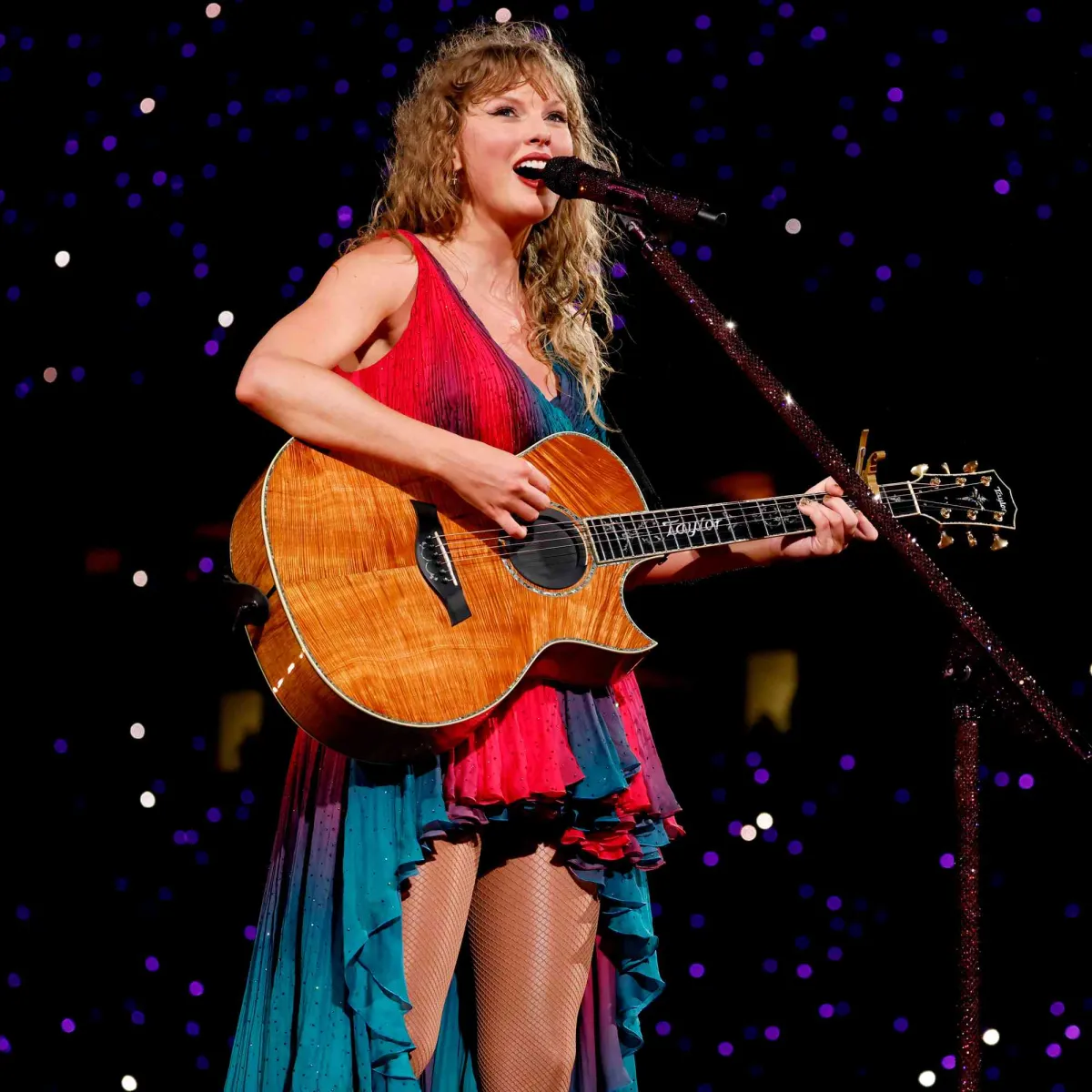 Photo: Taylor Swift, via people.com
When the Strategy Backfires
Of course, not every digital detox lands the same way. When the break feels too calculated or the return too obviously commercial, fans catch on. There's a growing skepticism around these announcements, with comment sections full of "see you in two months with a new project" predictions.
Some celebrities have tried to subvert expectations by genuinely staying away longer than expected, but even that can backfire. Stay away too long, and the algorithm forgets you exist. The sweet spot seems to be that 6-8 week window — long enough to feel meaningful, short enough to maintain momentum.
The Authenticity Problem
Here's the uncomfortable truth: some of these breaks probably are genuine. Mental health struggles in the spotlight are real, and social media can be genuinely toxic. But when the pattern becomes so predictable, it cheapens the message for everyone.
"It's created this boy-who-cried-wolf situation," notes entertainment journalist Marcus Rodriguez. "When every break is followed by a comeback tour, it makes it harder to believe when someone really does need to step away for their wellbeing."
What Happens Next
As audiences get savvier to the game, celebrities are having to get more creative. Some are now announcing their breaks with specific return dates, owning the strategy rather than hiding it. Others are doing "soft breaks" — staying active on one platform while leaving another. A few brave souls are actually staying away for longer periods, banking on the fact that their eventual return will feel that much more special.
The next evolution might be the "anti-break" — celebrities who pointedly never leave, making their constant presence the differentiator. Or maybe we'll see the rise of the "permanent break" — celebrities who leverage leaving social media entirely as their brand.
The Bottom Line
Look, we're not here to shame anyone for taking care of their mental health. But when the pattern is this obvious, it's worth calling out. The celebrity social media break has become just another tool in the PR toolkit, as calculated as any red carpet appearance or talk show booking.
And honestly? As long as we keep falling for it, clicking on their return posts, and buying whatever they're selling when they come back, why would they stop? The real question isn't whether these breaks are genuine — it's whether we care enough to change how we respond to them.
Because if there's one thing more predictable than a celebrity social media break, it's our collective amnesia about the last time they pulled the exact same move.