The 'Exclusive Interview' Con: How Celebrity Cover Stories Are Written Before Anyone Sits Down
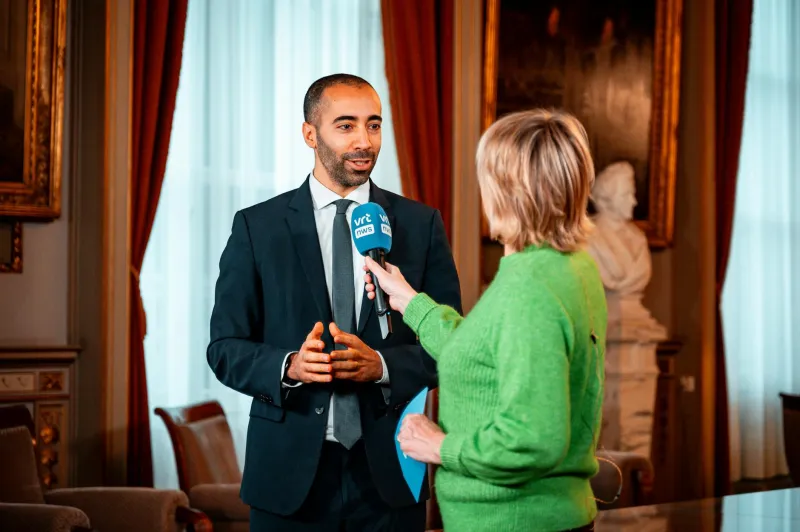
The Magazine Cover Industrial Complex
You know that feeling when you read a celebrity interview that seems too perfect? Where every quote feels like it was crafted by a team of publicists, and the "candid moments" read like they were scripted by a screenwriter? Well, congratulations — your instincts are sharper than you thought.
The dirty secret of celebrity journalism isn't that stars are media-trained (we all knew that). It's that the entire interview process has become an elaborate piece of performance art where both the journalist and the celebrity are following a script written by people who never set foot in the room.
The Pre-Interview Interview
Here's how it really works: Before a single question gets asked, teams of publicists, magazine editors, and sometimes the celebrity's management sit down for what they call "preliminary discussions." These meetings determine everything from which topics are off-limits to which personal anecdotes will be shared to create the illusion of vulnerability.
"I've seen 40-page documents outlining exactly what a celebrity will and won't discuss," reveals a former magazine editor who worked at several major publications. "By the time the actual interview happens, we already know what the story will say. The interview is just filling in the blanks."
These pre-negotiations can take weeks. Publicists submit lists of approved topics, sample quotes the celebrity is comfortable giving, and even suggested story angles that align with whatever project they're promoting. In return, magazines guarantee certain coverage — a cover story, a specific word count, or placement in a particular issue.
The Quote Approval Economy
The most shocking part? Many major publications now routinely give celebrities final approval over their own quotes. Not fact-checking for accuracy, but literally allowing stars to rewrite or veto anything they said during the interview.
"Quote approval used to be the third rail of journalism," explains a veteran entertainment writer. "Now it's just another negotiating point. You want the cover? You give quote approval. You want the exclusive? You let them see the piece before it runs."
This practice has become so normalized that some celebrities' contracts explicitly require it. Publications that refuse often find themselves shut out of major interviews entirely, creating a system where playing ball isn't just encouraged — it's mandatory for survival.
The Performance of Authenticity
The most insidious part of this system is how it manufactures the appearance of genuine access. Celebrities are coached to share "personal" details that feel intimate but reveal nothing truly private. They're taught to deliver "unguarded moments" that are actually carefully calculated to enhance their public image.
"We call it 'strategic vulnerability,'" admits a high-powered publicist. "The client shares something that seems personal but actually serves their brand. Maybe they talk about therapy, but only in a way that makes them look self-aware. Maybe they mention a past relationship, but only to highlight how much they've grown."
The result is celebrity profiles that feel revealing but are actually more controlled than a campaign speech. Every "candid" admission has been focus-grouped, every "spontaneous" joke has been rehearsed, and every "unfiltered" opinion has been filtered through multiple PR professionals.
The Journalist's Dilemma
This system puts entertainment journalists in an impossible position. Play along with the charade, and you get access but sacrifice journalistic integrity. Push back, and you lose access entirely, potentially ending your career in celebrity journalism.
"I've had interviews where the publicist literally handed me a list of questions I was 'encouraged' to ask," says a freelance entertainment writer. "And I've had others where I was told after the fact that certain quotes were 'off the record' even though that was never established during the interview."
Some journalists have found creative ways to work within these constraints, using body language descriptions, environmental details, or the celebrity's handlers' behavior to tell a more complete story. But these subtle rebellions only go so far when the fundamental structure of the interview is compromised.
The Publication Pyramid
Not all outlets are equally guilty of this practice. The system operates on a hierarchy where the most prestigious publications often have the most integrity, while newer or more desperate outlets are willing to accept increasingly restrictive terms.
"Vanity Fair can still get away with asking tough questions because celebrities need Vanity Fair more than Vanity Fair needs any individual celebrity," explains a former magazine executive. "But a smaller publication trying to compete? They'll agree to almost anything for access."
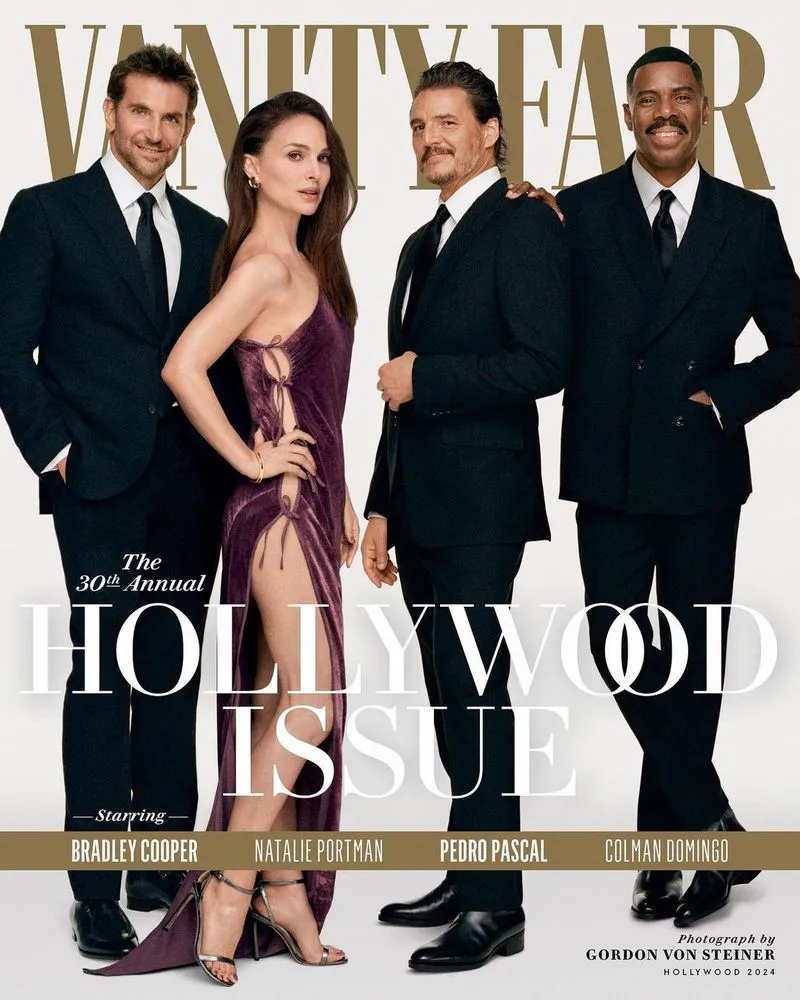 Photo: Vanity Fair, via i.mdel.net
This creates a two-tiered system where serious journalism and celebrity puff pieces operate under completely different rules, even when they're covering the same people.
The Social Media Escape Hatch
Interestingly, the rise of social media has made this controlled interview system both more necessary and less effective. Celebrities can now communicate directly with fans, making traditional media less essential. But it's also created more opportunities for uncontrolled moments that contradict the carefully crafted interview personas.
"A celebrity can do a perfectly managed magazine interview, then completely undermine it with one unhinged Instagram story," notes a digital media strategist. "The control is more intense than ever, but it's also more fragile."
The Reader Revolution
The most encouraging development is that audiences are getting savvier about recognizing manufactured authenticity. Comments sections and social media reactions increasingly call out obviously scripted interviews, and publications that rely too heavily on celebrity access without providing genuine insight are seeing their credibility suffer.
"Readers can smell a puff piece from a mile away now," observes a media literacy expert. "The publications that survive will be the ones that find ways to provide real insight, even within these constraints."
What You're Really Reading
So the next time you pick up a magazine with a celebrity on the cover promising to reveal "everything," remember: you're not reading journalism — you're reading a very expensive advertisement disguised as an article. The celebrity looks authentic, the journalist appears to have gotten unprecedented access, and the publication seems to have scored a major scoop.
In reality, everyone involved is just following a very expensive script, and the only person not in on the performance is you.
But hey, at least now you know why every celebrity interview sounds exactly the same — because in many ways, they literally are.