The 'Humble Era' Trap: Why Celebrities Who Claim to Hate Fame Are Always the Most Famous
The Performance of Not Performing
There's a particular kind of celebrity interview that's become as predictable as a Marvel post-credits scene: the A-lister who sits across from a sympathetic host, sighs deeply, and confesses how much they "never wanted any of this." They talk about missing their old life, feeling overwhelmed by attention, maybe even considering walking away from it all. The audience nods along sympathetically, the clip goes viral, and somehow — magically — that celebrity becomes even more ubiquitous than before.
Welcome to the Humble Era, where claiming you hate fame has become the fastest route to more fame.
The Chappell Roan Blueprint
The poster child for this phenomenon might be Chappell Roan, who spent much of 2024 having very public breakdowns about fan behavior and the pressures of sudden stardom. Her emotional TikToks about setting boundaries with fans didn't just generate sympathy — they generated headlines, think pieces, and ultimately, more streams. When she tearfully explained that she "didn't sign up for this level of crazy," the internet collectively decided she was the most relatable pop star in years.
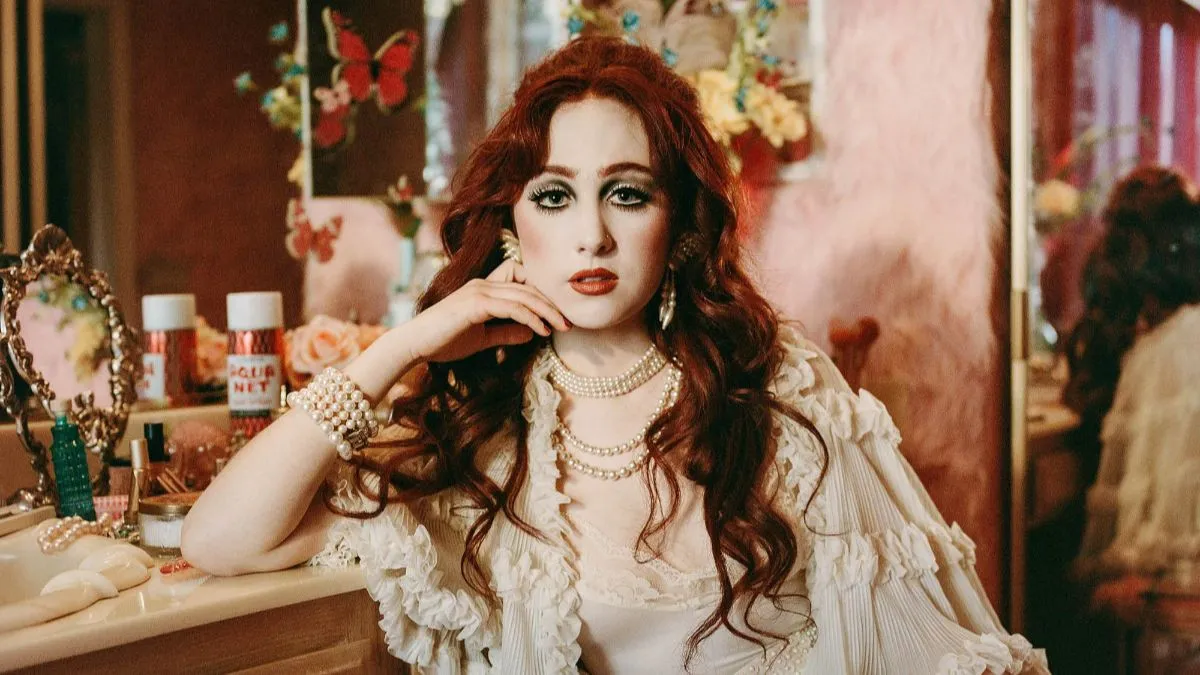 Photo: Chappell Roan, via nos.jkt-1.neo.id
The result? Her Spotify numbers skyrocketed, her tour sold out faster, and suddenly everyone from Rolling Stone to The New York Times wanted to profile the "authentic" pop star who wasn't afraid to show her struggles. Roan's vulnerability became her brand, and her brand became bigger business.
Jennifer Lawrence: The OG Relatable Queen
Before Roan, there was Jennifer Lawrence, who practically invented the art of strategic relatability. Remember when she was "just a normal girl" who tripped at the Oscars, ate pizza at award shows, and claimed she was "too awkward" for Hollywood? That carefully crafted image of being uncomfortable with fame helped her become one of the highest-paid actresses in the world.
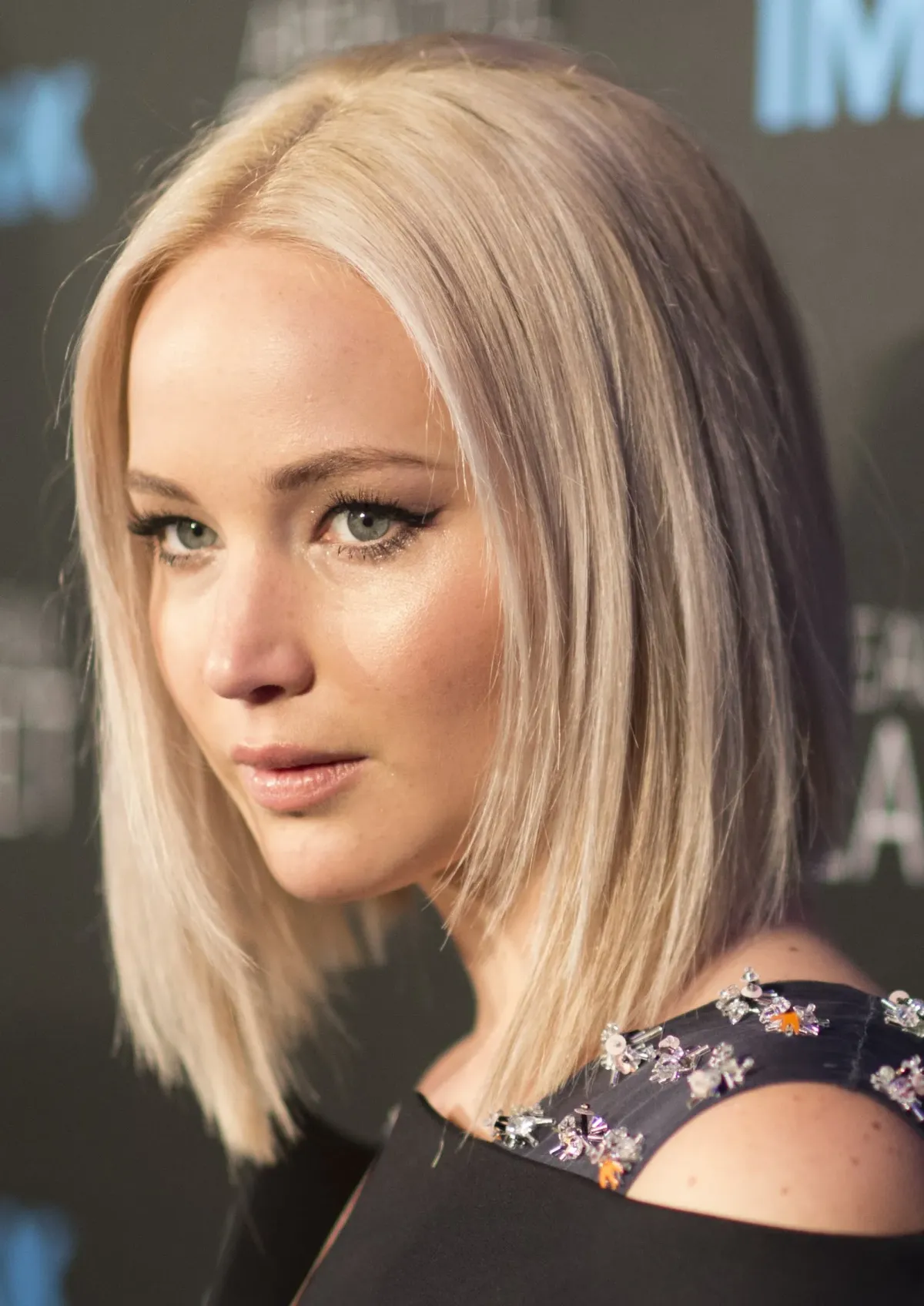 Photo: Jennifer Lawrence, via astrologyspark.com
Lawrence's "I'm not like other celebrities" routine was so successful that it spawned an entire generation of stars trying to replicate her formula. The difference was that Lawrence eventually grew out of it — or maybe just got tired of performing discomfort when she was clearly thriving in the spotlight.
The Kristen Stewart Method
Then there's Kristen Stewart, who turned looking miserable on red carpets into an art form. For years, Stewart's visible discomfort at premieres and interviews was read as authenticity in an industry full of fake smiles. Her apparent hatred of the promotional circuit somehow made her more compelling to watch, not less.
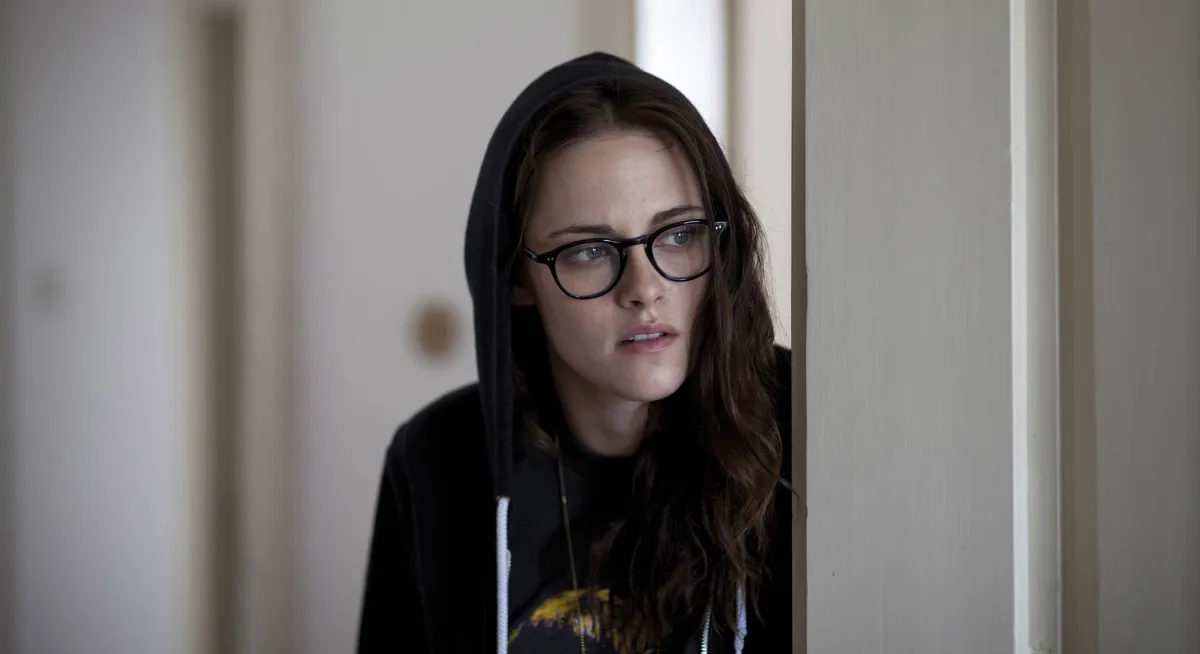 Photo: Kristen Stewart, via api.time.com
Stewart's strategy was different from Lawrence's calculated charm — she seemed genuinely uncomfortable, which paradoxically made her more interesting to the media. Every awkward interview became a viral moment, every uncomfortable photo became a meme, and every "I hate this" expression became proof that she was "real."
The Humble Humblebrag Economy
What's happening here isn't accidental. In an era where audiences are increasingly skeptical of traditional celebrity polish, claiming to hate fame has become the ultimate flex. It's a way to have your cake and eat it too — enjoy all the benefits of stardom while positioning yourself as somehow above it all.
The math is simple: authenticity sells, and nothing says authentic like complaining about how hard it is to be rich and famous. It's the celebrity equivalent of the humble brag, except the brag is your entire career.
The Social Media Paradox
Social media has only amplified this trend. Celebrities can now perform their discomfort with fame directly to their audiences, cutting out the media middleman. A single TikTok about feeling overwhelmed can generate more genuine connection with fans than a dozen traditional interviews.
But here's the catch: the more "authentic" these moments feel, the more calculated they often are. When a star posts an unfiltered selfie with a caption about "keeping it real," their engagement rates typically spike. The performance of not performing has become its own kind of performance.
The Industry Enablers
Hollywood has caught on to this trend and started packaging it. Publicists now coach clients on how to express vulnerability "authentically." Interviewers ask leading questions designed to elicit these moments of apparent discomfort. Award shows create "candid" backstage content that captures stars looking "overwhelmed" by their success.
The entire industry has essentially built a machine designed to manufacture and monetize celebrity discomfort with celebrity.
Why We Keep Buying It
The reason this strategy works so well is that it taps into something genuine in our relationship with fame. Most people do feel uncomfortable with the idea of constant public scrutiny, so when celebrities express similar feelings, it creates a sense of connection.
But there's also something satisfying about seeing the rich and famous struggle with their privilege. It makes their success feel more palatable, more earned. If they're suffering for their fame, then maybe they deserve it.
The Backlash Brewing
There are signs that audiences are starting to see through the humble era performance. Comments sections are increasingly filled with people pointing out the contradiction of complaining about fame while actively courting it. The phrase "poor little rich girl" has made a comeback.
Some celebrities are even calling out the trend directly. When asked about the pressure to appear relatable, one unnamed A-lister recently told a reporter, "I'm tired of pretending this job isn't amazing. I love being famous. Sue me."
The Next Evolution
As with all celebrity trends, the humble era will eventually run its course. The stars who master it will move on to the next iteration of authenticity performance, while those who rely too heavily on it will find themselves stuck in a cycle of diminishing returns.
The smartest celebrities are already evolving beyond the "I hate fame" narrative. They're finding ways to acknowledge their privilege while still maintaining relatability, or they're simply embracing their status without apology.
Because here's the truth that everyone knows but few will say out loud: the celebrities who claim to hate fame the most are usually the ones who've figured out how to work the system better than anyone else — and that might be the most authentic thing about them.