The 'Villain Edit' Industrial Complex: How Reality TV Is Feeding Hollywood Its Next Generation of Stars
When Bad Is the New Good
Remember when getting the villain edit on reality TV meant your fifteen minutes of fame came with a side of death threats and a one-way ticket back to obscurity? Those days are dead and buried. In 2024, being cast as the season's bad guy isn't just survivable — it's the golden ticket to a career that winners can only dream of.
Just ask anyone who's watched a Love Island villain parlays their heel turn into a Netflix deal, or seen a Bachelor contestant's mean girl moment transform into a makeup empire. The math has fundamentally changed: heroes are forgettable, but villains are unforgettable. And in the attention economy, unforgettable is everything.
The Olivia Rodrigo Effect (But Make It Messy)
Take someone like Corinne Olympios from Nick Viall's season of The Bachelor. Her villain edit — complete with nanny mentions and topless photo shoots — should have been a career killer. Instead, it launched her into a multi-platform influencer career that's still going strong years later. While the season's winner is doing sponsored posts for teeth whitening, Olympios has leveraged her notoriety into legitimate business ventures.
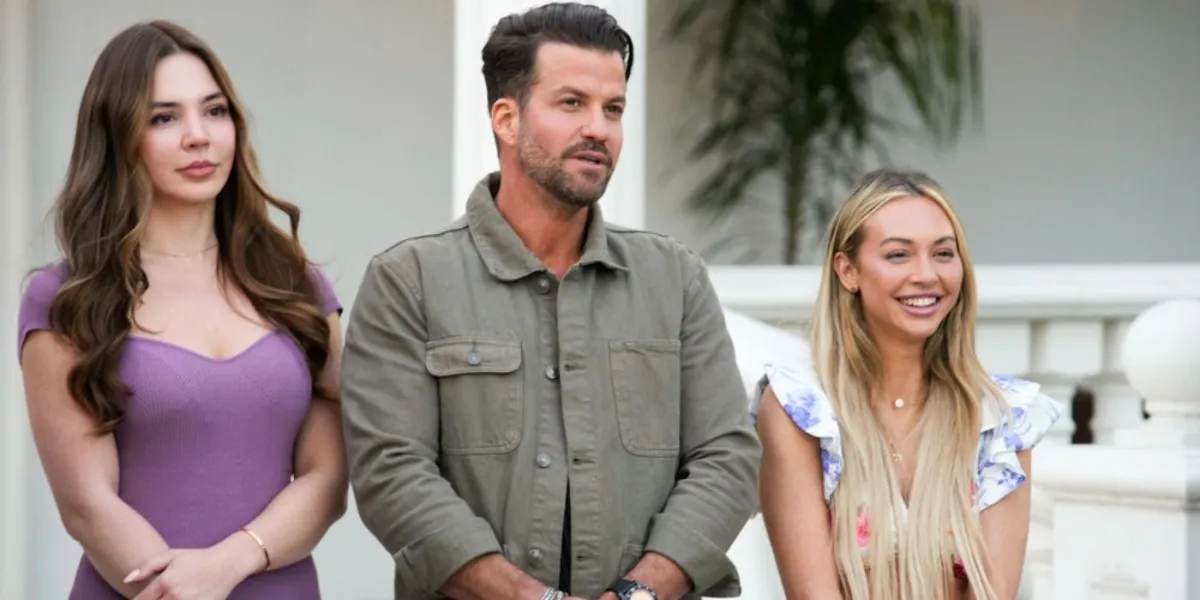 Photo: Corinne Olympios, via static1.colliderimages.com
Or look at Tana Mongeau, who turned her chaotic reality TV appearances and general messiness into a media empire worth millions. Her brand is literally built on being the person your parents warned you about, and it's working better than any squeaky-clean image ever could.
The Producer's Playbook
Here's what most viewers don't realize: reality TV producers aren't just capturing drama — they're manufacturing careers. The villain edit isn't random; it's strategic casting designed to create stars who will transcend the show itself.
"We look for people who can handle being hated," one former reality TV producer told us on condition of anonymity. "Not everyone can take that heat and turn it into fuel. But the ones who can? They're going to be famous for a long time."
The process is more calculated than audiences realize. Casting directors specifically scout for personalities who can play the villain convincingly while maintaining enough likability to survive the backlash. They're looking for people who understand that controversy is currency.
The Science of Hate-Watching
The villain edit works because of a simple psychological principle: we remember negative emotions more vividly than positive ones. A contestant who makes you angry will stick in your memory longer than one who makes you smile. And in the age of social media, memorable equals marketable.
Studies show that people are more likely to engage with content that provokes strong negative emotions than content that makes them happy. Reality TV villains understand this instinctively. They're not trying to be liked — they're trying to be remembered.
The Crossover Strategy
The really smart villains use their reality TV infamy as a launching pad into legitimate entertainment careers. They know that being hated on TV is just the first step in a longer game plan.
Look at how NeNe Leakes parlayed her Real Housewives of Atlanta villain status into acting roles, Broadway shows, and hosting gigs. Or how Omarosa turned her Apprentice villainy into a political career (however briefly) and multiple book deals. These women understood that the villain edit was just act one of a longer performance.
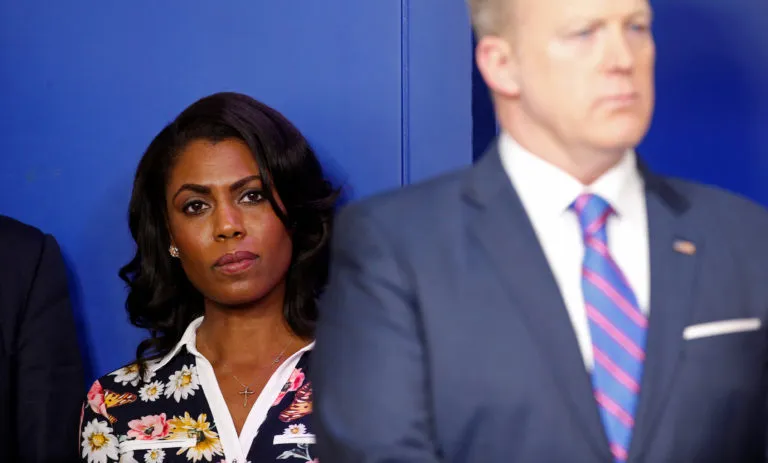 Photo: Omarosa, via d3i6fh83elv35t.cloudfront.net
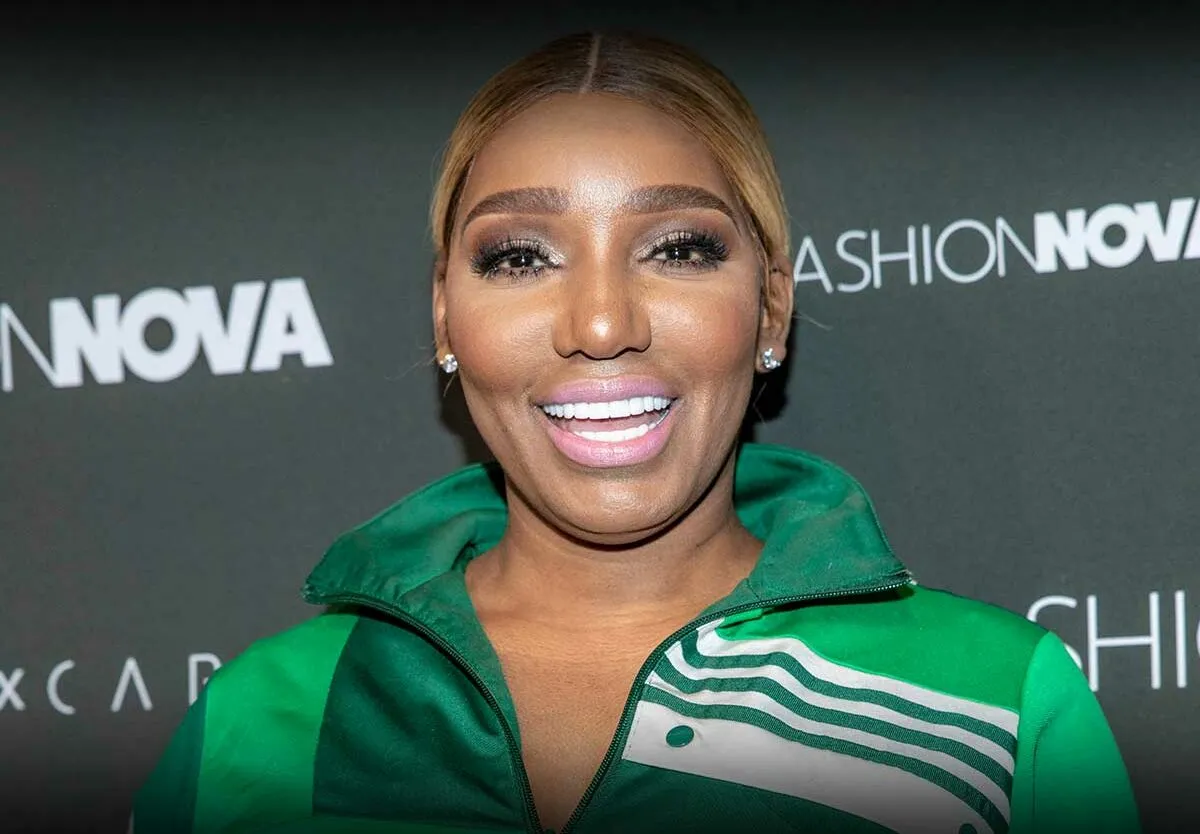 Photo: NeNe Leakes, via nationaltoday.com
The Brand Deal Paradox
Here's where it gets really interesting: brands are increasingly willing to work with reality TV villains, sometimes more so than with the heroes. Why? Because villains have more engaged audiences.
A villain's followers might hate-watch their content, but they're still watching. They're commenting, sharing, and driving engagement rates that make advertisers salivate. A controversial influencer with 100K highly engaged followers is often more valuable than a beloved one with 500K passive fans.
"Controversy creates conversation, and conversation creates commerce," explains social media marketing expert Sarah Chen. "Brands are learning that a little bit of edge can cut through the noise better than pure positivity."
The Villain-to-Victim Pipeline
The most successful reality TV villains follow a predictable redemption arc. First, they lean into the villain role, maximizing the attention and building their platform. Then, they gradually reveal the "real" person behind the edit, often through vulnerable social media posts or tell-all interviews.
This strategy allows them to have it both ways: they get the initial boost from being controversial, then they get a second wave of attention from their "redemption." It's a two-act play that can sustain a career for years.
The Network's Dilemma
Networks are caught in an interesting position. They need villains to create compelling television, but they also don't want to be seen as exploiting people or promoting bad behavior. The solution? They've started casting people who are in on the joke.
Modern reality TV villains often have media training, social media strategies, and sometimes even publicists before they ever appear on screen. They're not innocent victims of manipulative editing — they're willing participants in a mutually beneficial arrangement.
The Fan Complicity Factor
Viewers play a crucial role in this system, often without realizing it. Every hate-watch, every angry comment, every think piece about how terrible a contestant is — it all feeds the machine that turns villains into stars.
We tell ourselves we're watching ironically or critically, but we're still watching. And in the attention economy, there's no difference between positive and negative engagement. A view is a view, a click is a click, and controversy converts better than authenticity.
The International Export
This phenomenon isn't limited to American reality TV. British shows like Love Island have perfected the art of the villain edit, and their most controversial contestants often end up with the biggest post-show careers. The formula is being exported worldwide, creating a global pipeline of manufactured controversy.
The Future of Infamy
As traditional celebrity pathways become more gatekept and expensive, the villain edit route is becoming increasingly attractive to ambitious people willing to sacrifice their reputation for a shot at fame. It's democratized in a way that traditional Hollywood isn't — you don't need connections or training, just the willingness to be hated.
The question is: what happens when everyone figures out the game? When being a reality TV villain becomes as calculated and predictable as any other celebrity strategy?
Probably, the industry will evolve again. Maybe the next big thing will be the "authentic villain" — someone who's genuinely terrible but owns it completely. Or maybe we'll swing back toward celebrating actual niceness.
But for now, in an entertainment landscape where everyone is fighting for attention, sometimes the best strategy is to make people wish you would just go away — because at least that means they're paying attention.