The 'Best Friend Casting': How Celebrities Carefully Curate Their Inner Circle for Maximum Public Appeal
The Friendship Audition Process
When Taylor Swift assembled her infamous squad era, it wasn't just about finding people she genuinely clicked with — it was about creating a visual representation of aspiration, diversity, and cultural relevance that would photograph beautifully and trend consistently. Welcome to the world of celebrity "best friend casting," where your inner circle becomes your most valuable PR asset.
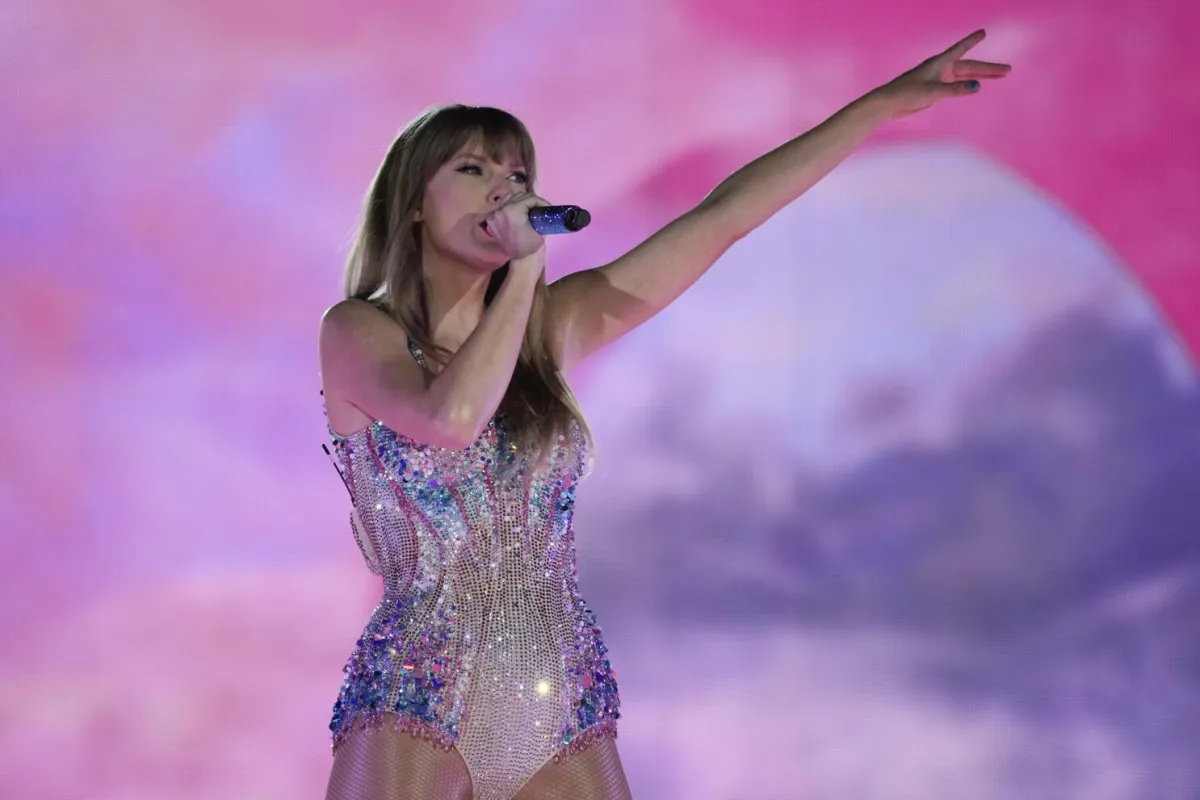 Photo: Taylor Swift, via ca-times.brightspotcdn.com
In Hollywood's current landscape, who you're seen with matters almost as much as what you're working on. Those carefully curated friend groups splashed across Instagram feeds and red carpet appearances aren't organic social circles — they're strategic brand partnerships disguised as genuine relationships.
The Squad Strategy Playbook
The modern celebrity friendship playbook reads like a casting director's checklist. Need street cred? Add a respected indie artist to your inner circle. Want to appear more relatable? Include some "normal" friends from your pre-fame days (but make sure they're photogenic). Trying to break into a new demographic? Find influential friends from that community.
"It's not cynical in the way people think," explains a former publicist who worked with multiple A-list clients. "These celebrities often do genuinely like these people, but the decision to make those friendships public and prominent is absolutely strategic. Every post, every public appearance, every name-drop in interviews is calculated."
The most successful celebrity squads check multiple boxes simultaneously. They're diverse enough to avoid criticism, successful enough to enhance everyone's status, and drama-free enough to avoid negative headlines — at least initially.
The Instagram Friendship Economy
Social media has transformed celebrity friendships into content opportunities. Those casual "girls' night" posts or "boys' trip" stories aren't just sharing personal moments — they're mutual promotion campaigns where everyone benefits from association.
The math is simple: when a celebrity with 50 million followers posts with someone who has 20 million, both audiences get exposed to new content and personalities. It's influencer marketing disguised as authentic friendship documentation.
"We'd literally have spreadsheets tracking engagement rates for different friend combinations," reveals a social media manager who worked with several major pop stars. "Some friendships just performed better on camera than others, and that definitely influenced who got invited to public events."
The Award Show Politics
Nowhere is strategic friendship more visible than award show seating charts. Those plus-ones and table companions aren't chosen randomly — they're selected to send specific messages about alliances, career phases, and public image goals.
Sitting with industry veterans signals respect and establishment acceptance. Bringing up-and-coming artists suggests mentorship and cultural relevance. Choosing fellow nominees in your category can seem supportive or strategic, depending on how it's executed.
"The plus-one is often more important than the outfit," notes an entertainment journalist who's covered major award shows for over a decade. "It's a statement about where you see yourself in the industry hierarchy and what relationships you want to highlight publicly."
When Friendships Become Liabilities
The dark side of strategic friendship curation becomes obvious when relationships sour or friends become controversial. Suddenly, those carefully curated squad photos become evidence of poor judgment, and celebrities scramble to distance themselves from former inner circle members.
The most dramatic examples involve friends who become embroiled in scandals or legal issues. Overnight, years of public friendship get memory-holed as celebrities quietly remove tagged photos, stop public interactions, and hope nobody notices the sudden social media silence.
"The speed at which some celebrities can ice out former friends when they become problematic is honestly impressive," observes a Hollywood insider. "One day they're posting heart emojis on each other's content, the next day it's like that person never existed in their life."
The Professional Friend Zone
Some celebrity friendships exist purely in professional contexts — they're warm and supportive during work projects or public appearances, but don't extend into genuine personal relationships. These "work friends" serve important functions without requiring the emotional investment of real friendship.
These relationships often involve mutual benefit arrangements: appearing at each other's events, providing quotes for press releases, or offering public support during career milestones. Everyone understands the transactional nature, and it works as long as nobody expects more depth.
The Authenticity Test
The most telling indicator of genuine versus strategic celebrity friendships often emerges during career downturns or personal crises. Real friends stick around when the cameras aren't rolling and the mutual benefit disappears. Strategic friends tend to fade when association becomes less advantageous.
"You can usually tell the difference by looking at who's still around when someone's not hot anymore," explains a veteran entertainment reporter. "The real friends are the ones posting birthday wishes when you're between projects, not just when you're promoting something."
Some celebrities have become more transparent about this dynamic, openly acknowledging that their public friend group serves image purposes while maintaining separate, private relationships for genuine emotional support.
The Next Generation Approach
Younger celebrities who grew up with social media seem more aware of the friendship curation game and sometimes more honest about it. They'll openly discuss "work friends" versus "real friends" and acknowledge the strategic elements of public relationships.
This transparency might actually make their curated friendships more authentic, since audiences understand the rules of engagement. When everyone knows the game being played, there's less pretense about spontaneous, organic connections.
The Friendship Fatigue Factor
As audiences become more sophisticated about celebrity PR strategies, the effectiveness of curated friend groups may be diminishing. Fans increasingly call out obvious strategic friendships and celebrate celebrities who maintain consistent, long-term relationships regardless of career fluctuations.
The most successful celebrity friendships now might be those that acknowledge their public nature while still delivering genuine moments of connection and support. It's a delicate balance between authenticity and strategy that only the most skilled public figures manage to achieve.
In the end, celebrity friendship curation reveals something fundamental about fame itself: even the most personal relationships become performance opportunities, and the line between genuine connection and strategic partnership becomes increasingly blurred.
But maybe that's not entirely cynical — after all, if you're going to live your life in public anyway, why not surround yourself with people who make you look good while you're doing it?