The 'Celebrity Memoir' Slot Machine: Why Everyone Is Writing a Book Right Now — and Almost Nobody Is Actually Writing It

The Literary Gold Rush That Nobody's Actually Digging For
Walk into any bookstore right now and you'll be hit with a wall of celebrity memoirs. Britney's tell-all. Paris Hilton's "surprising" depth. Every Housewife who's ever thrown a glass of wine has a book deal. Hell, even influencers with three years of fame are dropping "memoirs" like they're the next Maya Angelou. But here's the tea that publishers don't want you to steep in: most of these celebrities aren't writing a damn word.
Welcome to the ghostwriting economy, where your favorite celebrity's "raw, honest, unfiltered" memoir was actually crafted by someone whose name you'll never know, based on maybe six hours of recorded conversations and a Google search of their Wikipedia page.
The Seven-Figure Confession Booth
The numbers are absolutely wild. Publishers are throwing around advances that would make actual authors weep into their rejection letters. We're talking $10-15 million for A-listers, $2-5 million for reality TV stars, and six figures for people whose main qualification is being messy on social media.
Prince Harry got a reported $20 million for "Spare." Britney Spears allegedly scored $15 million for "The Woman in Me." Meanwhile, literary fiction authors are fighting over $5,000 advances and a prayer. The math isn't mathing, but the money definitely is.
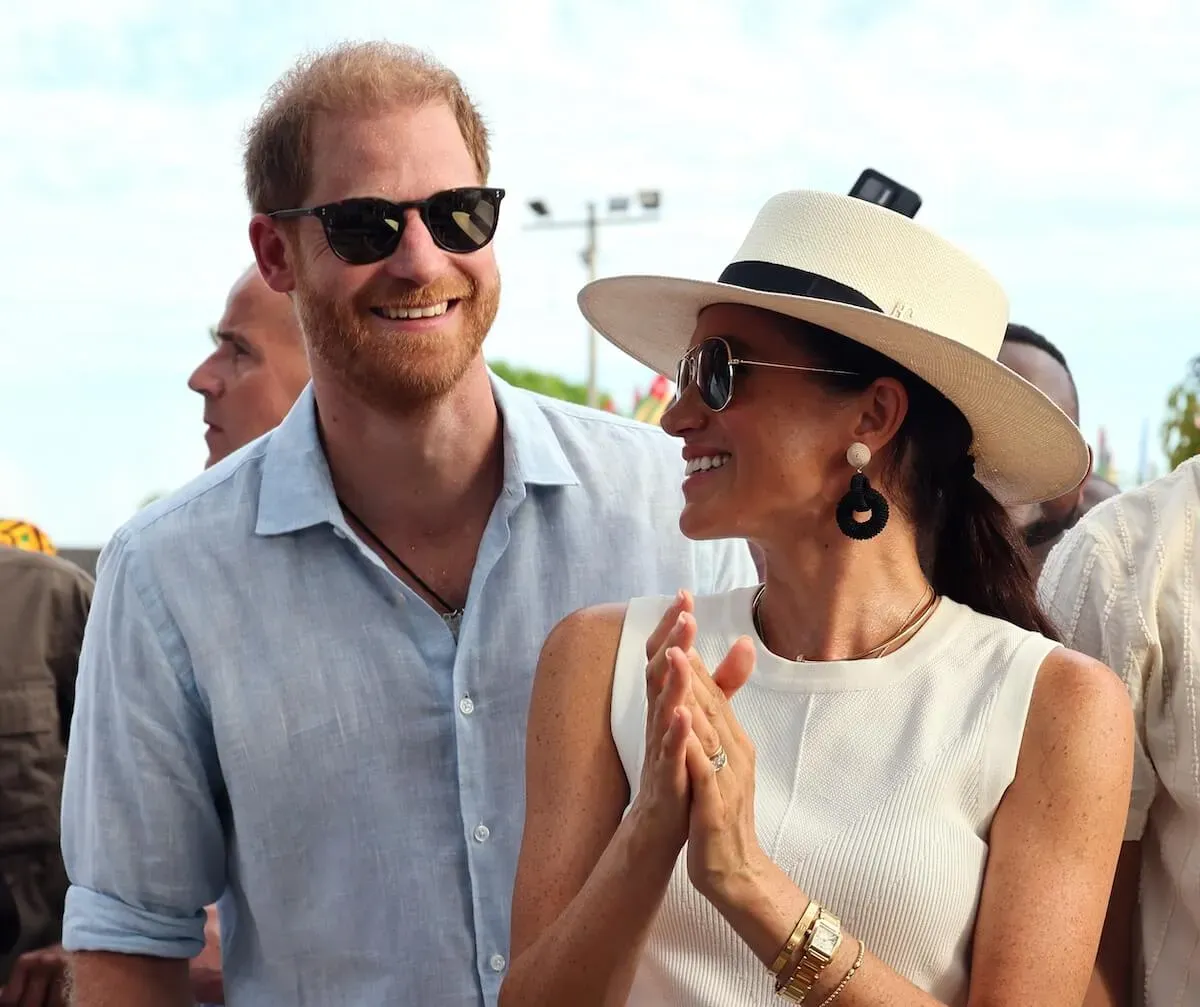 Photo: Prince Harry, via www.cheatsheet.com
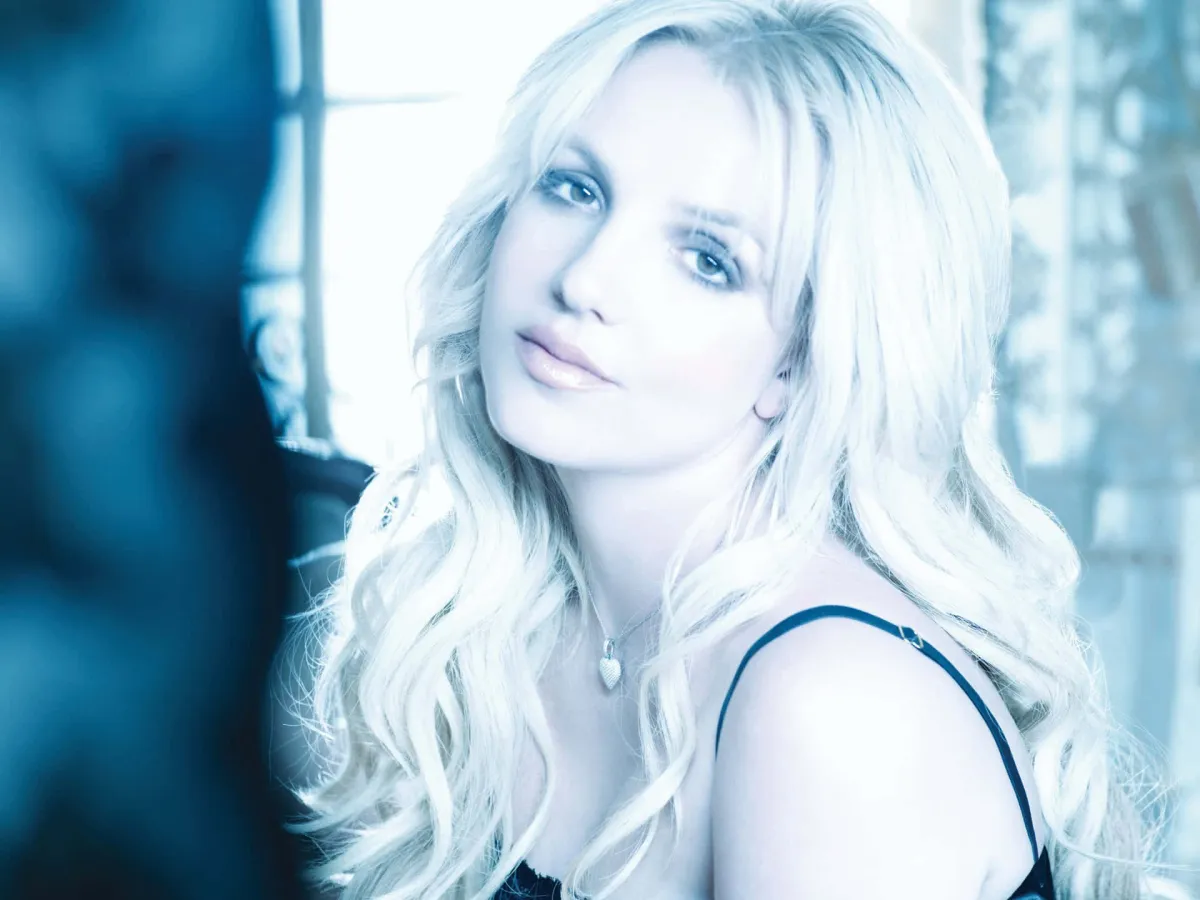 Photo: Britney Spears, via wallpapers.com
"It's become a lottery system," explains publishing insider Jennifer Walsh. "Publishers are betting that one explosive celebrity memoir will pay for ten flops. And right now, everyone thinks they have the next big scandal to sell."
The Ghost in the Publishing Machine
Here's how it really works: Celebrity sits down with a professional ghostwriter for a series of interviews. Sometimes it's 20 hours, sometimes it's 5. The ghostwriter then spends months crafting a narrative, finding the "voice," and basically performing literary alchemy to turn rambling stories into coherent chapters.
Some celebrities are more involved than others. Some actually read the final draft. Others just show up for the photo shoot and trust that their "collaborator" captured their essence. The ghostwriter gets a flat fee (usually in the low six figures) and zero public credit, while the celebrity gets millions and all the acclaim for their "brave storytelling."
"I've written three bestselling celebrity memoirs," reveals one ghostwriter who requested anonymity (for obvious reasons). "One client gave me 12 hours of interviews. Another sent me voice memos from their car. The third one I basically reconstructed from their Instagram posts and old interviews. All three were praised for their 'authentic voice.'"
The Revenge Memoir Industrial Complex
The hottest subgenre right now is the revenge memoir — celebrities using their book deals to settle scores, expose secrets, and generally burn down their past relationships in 300 pages or less. These aren't just memoirs; they're weaponized nostalgia.
Jada Pinkett Smith's revelations about her marriage to Will Smith. Jennette McCurdy's devastating takedown of Nickelodeon culture. Spare parts from Harry's royal exit strategy. These books aren't just telling stories; they're launching missiles at carefully constructed public images.
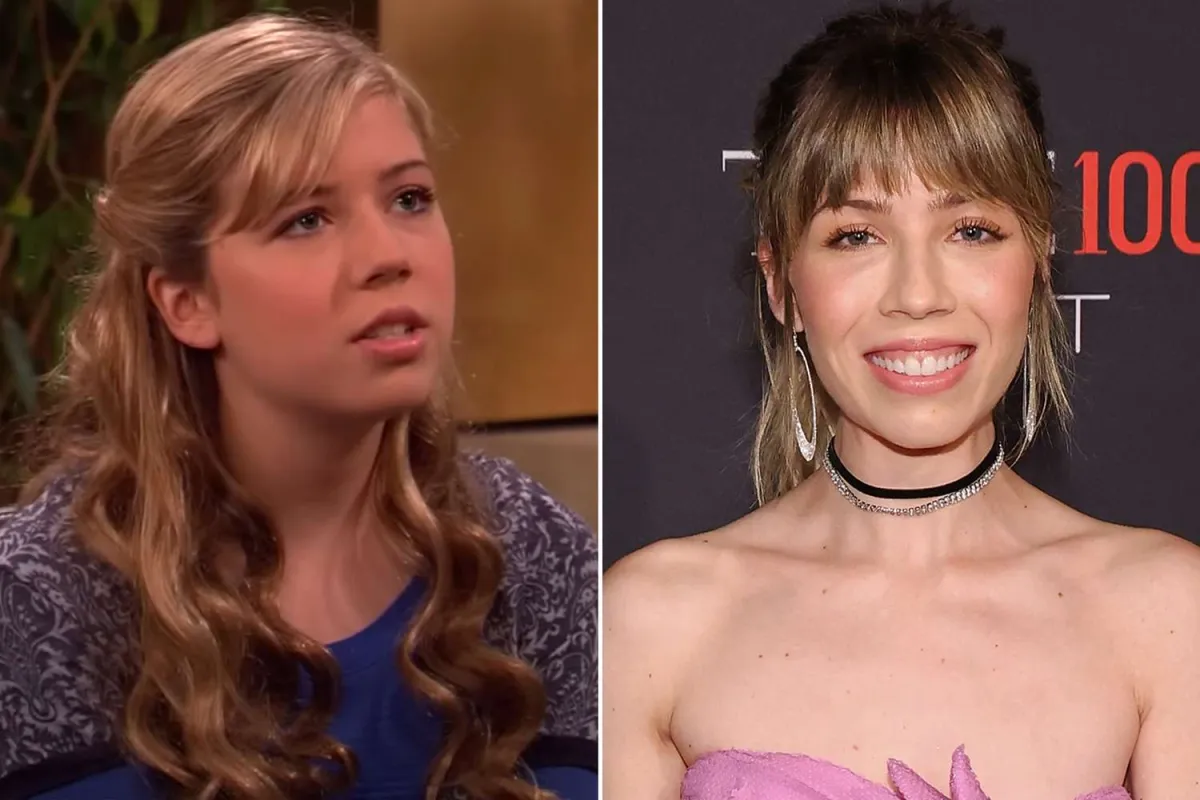 Photo: Jennette McCurdy, via people.com
"The memoir has replaced the tell-all interview," notes entertainment journalist Brian Cox. "Why give Barbara Walters one explosive hour when you can milk it for 50 chapters and get paid millions?"
The Quality Control Problem
Here's the uncomfortable truth: most of these celebrity memoirs are... not good. They're rushed, surface-level, and about as deep as a puddle in a drought. Publishers aren't buying these books for their literary merit; they're buying them for their headline potential and social media buzz.
Some are genuinely compelling — McCurdy's "I'm Glad My Mom Died" was both brutal and beautifully written. Others read like extended Instagram captions with chapter breaks. But they all sell, because we're apparently addicted to celebrity trauma served with a side of name-dropping.
The Timing Game
The timing of these memoir releases is rarely coincidental. They're often perfectly coordinated with career pivots, comeback attempts, or damage control campaigns. Got a movie to promote? Drop a memoir six months before. Need to rehabilitate your image after a scandal? Nothing says "I've grown" like a reflective book tour.
Paris Hilton's memoir coincided with her documentary and new business ventures. Britney's book arrived just as she was reclaiming her narrative post-conservatorship. Even reality TV stars time their books around new seasons or spin-off announcements.
The Ghostwriter Underground
The ghostwriting world is surprisingly small and incredibly secretive. The same handful of writers are behind most celebrity memoirs, but they're bound by iron-clad NDAs and professional discretion. They're the literary equivalent of mob lawyers — they know where all the bodies are buried, but they'll never tell.
Some ghostwriters have become celebrities in their own right (though still anonymous), commanding higher fees and choosing their clients carefully. The best ones can capture a celebrity's voice so perfectly that even the celebrity's friends believe they actually wrote it.
"The art is making it sound exactly like how they would write if they could actually write," explains another ghostwriter. "You're not just telling their story; you're becoming their literary alter ego."
The Reader Rebellion
Interestingly, readers are starting to catch on. Goodreads reviews increasingly call out obvious ghostwriting, and book clubs are getting savvier about which memoirs feel authentic versus which feel manufactured. There's a growing appetite for celebrities who actually put in the work — or at least admit they had help.
What's Next for Celebrity Literature
The memoir bubble might be reaching its breaking point. With everyone from former child stars to one-hit wonders dropping books, the market is getting saturated. Publishers are starting to be more selective, looking for genuine stories rather than just famous names.
There's also a growing trend toward collaborative memoirs where the ghostwriter gets credit, or celebrities who are honest about the writing process. Some are even — revolutionary concept — actually writing their own books.
The Bottom Line
Look, there's nothing inherently wrong with ghostwriting. Some of history's most important political memoirs were ghostwritten. But the current celebrity memoir boom feels less like literature and more like a cash grab wrapped in faux vulnerability.
The real tragedy isn't that celebrities aren't writing their own books — it's that publishers are throwing millions at manufactured stories while genuinely talented writers can't get a foot in the door. But as long as we keep buying these books, dissecting every revelation, and making them bestsellers, the memoir machine will keep churning.
Because in the end, we're not really buying these books for the writing — we're buying them for the secrets, the scandals, and the chance to feel like we're getting the "real" story, even when we know it's been carefully crafted by someone whose name isn't on the cover.