The 'Reality Check' Casting Trap: Why Scripted TV Keeps Poaching Reality Stars — and Almost Always Regrets It
The Siren Call of Ready-Made Fame
Hollywood has a reality TV problem, and it's not what you think. The issue isn't that reality stars are taking over scripted television — it's that casting directors keep thinking they can, despite overwhelming evidence to the contrary.
Every pilot season, the same cycle repeats: casting directors scan reality TV for "breakout personalities" with built-in fan bases, convinced they've found the next big crossover star. Networks get excited about the potential social media buzz and existing audience. Then the cameras roll, and everyone remembers why acting is actually a skill that requires, you know, training.
But the machine keeps churning, because the appeal is just too tempting to resist. Why build a star from scratch when you can poach one who already has millions of followers?
The Math That Doesn't Add Up
On paper, casting reality stars makes perfect sense. They come with pre-existing fan bases, social media savvy, and comfort being on camera. They're essentially pre-marketed products in human form. Plus, they're usually cheaper than established actors and more grateful for the opportunity.
The problem is that being good at reality TV and being good at scripted acting are completely different skill sets. Reality stars succeed by being authentically themselves in manufactured situations. Scripted actors succeed by authentically becoming someone else in manufactured situations. It's the difference between being naturally charismatic and being able to channel charisma on command.
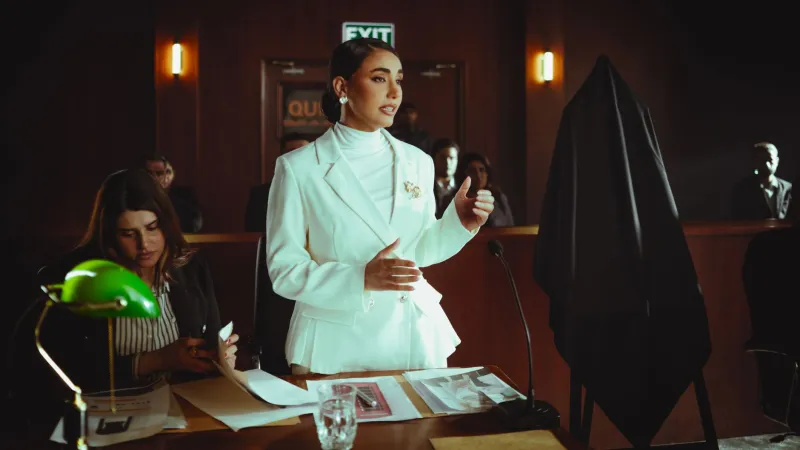
Casting directors often mistake confidence for competence, or personality for performance ability. A reality star who can command a room during a reunion special might completely fall apart when asked to deliver someone else's words with emotional truth.
The Few Success Stories
To be fair, there have been genuine crossover successes that keep the dream alive. A handful of reality personalities have made the transition successfully, proving it's not impossible — just incredibly rare.
These success stories usually share common traits: they either had performance backgrounds before reality TV, or they chose projects that played to their existing strengths rather than forcing them into traditional dramatic roles. The smart ones lean into their reality TV personas rather than trying to completely reinvent themselves as "serious actors."
But for every success story, there are dozens of cautionary tales that networks prefer to forget. The reality stars who got dramatic series leads and delivered performances so wooden they could be used as building materials. The sitcom experiments that lasted half a season before being quietly canceled.
What Casting Directors Actually Say
Behind closed doors, casting professionals have mixed feelings about the reality star trend. Some admit they're pressured by networks and producers who are chasing social media engagement over performance quality. Others genuinely believe they can spot untapped acting talent in reality personalities.
"The network sees someone with two million Instagram followers and thinks that translates directly to ratings," one casting director shared anonymously. "But followers don't equal viewers, and viewers definitely don't equal good television if the performance isn't there."
Another industry insider pointed out that reality stars often struggle with the technical aspects of scripted production. "They're used to being themselves in front of cameras that follow them around. Put them on a mark, give them specific dialogue, and ask them to hit emotional beats on cue — it's a completely different beast."
The Spectacle Factor
Part of the appeal might actually be the spectacle of potential failure. Audiences are curious to see how their favorite reality personalities will handle scripted material, and that curiosity translates to initial viewership — even if it doesn't sustain.
There's definitely a "watching the car crash" element to some of these casting decisions. Networks know people will tune in to see if the reality star can actually act, which guarantees at least short-term attention. Whether that attention converts to long-term success is another question entirely.
Some reality stars seem aware of this dynamic and lean into it, treating their scripted debuts as extended reality TV experiments rather than serious acting ventures. It's a smart strategy that manages expectations while still capitalizing on their existing fame.
The Training Gap
One of the biggest issues is the assumption that camera comfort equals acting ability. Reality stars are definitely comfortable being filmed, but they've never had to memorize pages of dialogue, work with scene partners, or convey emotions they're not actually feeling.
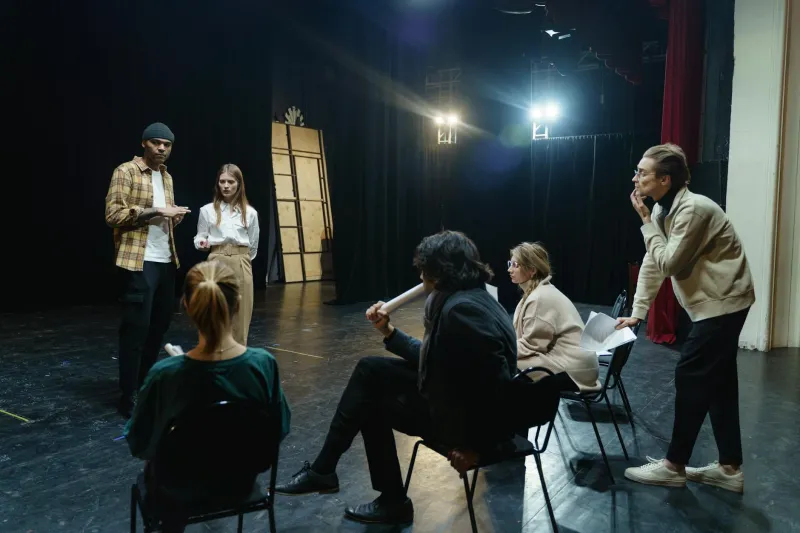
Some production companies have started investing in acting coaches and workshops for their reality star hires, but it's often too little, too late. Acting training takes years to develop, and a few weeks of coaching before production starts isn't going to bridge that gap.
The reality stars who succeed often take the initiative to get serious training before making the transition, rather than relying on their natural charisma to carry them through.
The Audience Loyalty Test
One of the most interesting aspects of reality-to-scripted crossovers is how they test audience loyalty. Will fans follow their favorite reality star to a completely different type of show? The answer is usually "briefly."
Reality TV fans and scripted TV fans often have different viewing habits and expectations. Someone who loves watching drama unfold naturally on a reality show might not enjoy watching the same person try to manufacture drama through acting. The viewing experiences are fundamentally different.
Successful crossovers usually happen when the scripted project feels like a natural extension of the reality star's existing persona, rather than a complete departure from it.
The Network Perspective
Networks continue to chase reality star crossovers because they're looking for any advantage in an increasingly crowded entertainment landscape. Social media buzz and built-in audiences feel like guaranteed wins, even when the track record suggests otherwise.
There's also the cost factor. Reality stars are often willing to work for less money than established actors, making them attractive options for budget-conscious productions. If the show succeeds, it's a huge win. If it fails, the financial loss is manageable.
The Future of Cross-Platform Casting
Despite the mixed track record, reality-to-scripted crossovers aren't going anywhere. If anything, the lines between different types of entertainment are blurring even further, with social media personalities and influencers joining reality stars in the casting director crosshairs.
The key might be better matching projects to personalities, rather than forcing square pegs into round holes. Reality stars who succeed in scripted work usually do so in projects that play to their existing strengths rather than asking them to completely reinvent themselves.
The Bottom Line
The reality star casting trap persists because hope springs eternal in Hollywood, and the potential rewards are too tempting to ignore. But until the industry gets more realistic about the skills gap between reality TV and scripted acting, we'll keep seeing the same cycle of optimistic casting followed by disappointing results.
Maybe it's time to stop asking whether reality stars can act, and start asking whether we're giving them the right opportunities to succeed.