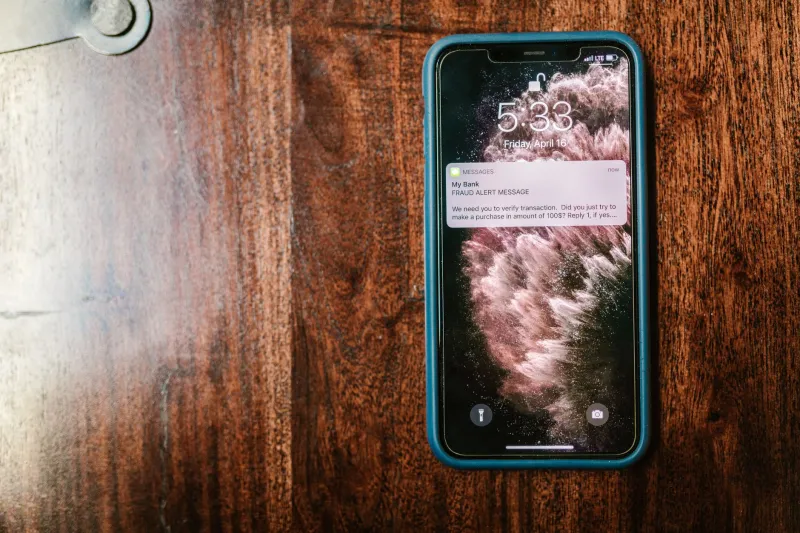
The 'Accidental' Leak That Was Never an Accident: How Celebrities Weaponize Stolen Content
The Leak That Launched a Thousand Think Pieces
Remember when Jennifer Lawrence's phone got "hacked" right before her biggest movie premiere? Or when that unreleased Drake track mysteriously "leaked" the week his album sales were looking shaky? Yeah, us too. And if you're starting to notice a pattern here, congratulations — you've cracked the code on Hollywood's worst-kept secret: the strategic leak.
 Photo: Drake, via i.pinimg.com
 Photo: Jennifer Lawrence, via static01.nyt.com
In an industry built on manufactured drama and calculated moves, the "accidental" leak has become the Swiss Army knife of celebrity PR. It's the perfect crime that isn't actually a crime, offering stars maximum sympathy, zero accountability, and often a massive boost to their bottom line. But here's the tea: most of these "leaks" are about as accidental as a Kardashian paparazzi shot.
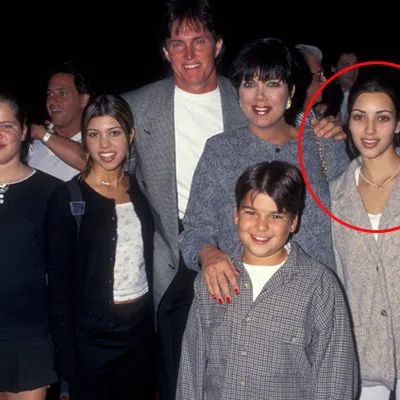 Photo: Kardashian, via media.allure.com
The Anatomy of a Convenient Crisis
Let's talk timing, because that's where these "accidents" really give themselves away. Notice how celebrity photo "hacks" always seem to happen right before a major project launch? How unreleased music "leaks" just when streaming numbers are down? How private text conversations mysteriously surface exactly when a star needs to change the narrative?
Take the classic "stolen laptop" scenario. A celebrity's computer gets "stolen" from their car (always their car, never their house — too obvious), and suddenly their upcoming album is all over the internet. Fans go wild, streams skyrocket, and the artist gets to play victim while their label counts the cash. It's genius, really, if you can stomach the manipulation.
The beauty of the leak narrative is its built-in victimhood. Nobody questions the victim of a crime, right? Except when that "crime" consistently benefits the supposed victim more than it hurts them, maybe it's time to start asking some questions.
When 'Hacked' Photos Become Career Moves
The celebrity photo leak playbook is particularly insidious. Stars will conveniently get "hacked" right when they need to remind the world they exist, or when they're pivoting their image from wholesome to edgy. The photos are always just risqué enough to generate buzz but never scandalous enough to actually damage their brand.
And let's be real about the technical impossibility of some of these "hacks." We're supposed to believe that A-list celebrities — people who can afford the best security money can buy — are somehow more vulnerable to hackers than your average iPhone user? That their teams of publicists, lawyers, and tech experts just... forgot about digital security?
The math doesn't add up, but the publicity does. Every "leaked" photo generates millions of clicks, countless headlines, and weeks of social media buzz. For a celebrity whose star might be dimming, it's better than any magazine cover.
The Music Industry's Favorite Fiction
No industry has mastered the art of the strategic leak quite like music. "Leaked" songs have become so common they're practically their own genre. Artists will "accidentally" upload the wrong file to SoundCloud, or a "disgruntled employee" will mysteriously release the album early. Funny how these accidents always seem to happen on Fridays, isn't it?
The leaked music playbook is particularly effective because it creates artificial scarcity and urgency. Fans rush to download or stream the "stolen" content before it gets taken down, driving up engagement numbers that translate directly to chart positions and streaming revenue. Meanwhile, the artist gets to act shocked and betrayed while their team quietly celebrates the organic buzz.
Some artists have gotten so comfortable with this strategy they don't even bother hiding it anymore. They'll "leak" their own content and then immediately capitalize on it with official releases, merchandise drops, and tour announcements. It's performance art at this point.
The Script Leak Spectacular
Hollywood's version of the strategic leak involves "stolen" scripts, "private" casting emails, and "confidential" production details that somehow always paint the celebrity in the best possible light. Amazing how these leaks never reveal anything truly damaging, isn't it?
When a major star's contract negotiations are going poorly, suddenly there's a "leaked" email showing how much the studio values them. When an actor needs to generate buzz for a passion project, mysterious "stolen" script pages hit the internet. It's almost like someone with access to all this information is strategically choosing what gets "accidentally" released.
Why We Keep Falling for It
Here's the uncomfortable truth: we're all complicit in this charade. We know these leaks are suspicious, but we click anyway. We share the content, discuss it endlessly, and give celebrities exactly what they want — attention.
The leak narrative works because it feeds our hunger for authenticity in an industry built on artifice. We want to believe we're seeing the "real" person behind the brand, even when that reality is just another carefully crafted performance.
Social media has only made this easier. A strategically "leaked" photo can go viral in minutes, reaching millions of people before any fact-checking can happen. By the time the truth comes out (if it ever does), the damage — or in this case, the benefit — is already done.
The New Rules of Plausible Deniability
The modern celebrity leak follows a predictable formula: create valuable content, establish plausible access points for "theft," wait for the perfect moment, then act shocked when it inevitably "leaks." The key is maintaining just enough distance from the actual release to avoid legal consequences while reaping all the benefits.
Some celebrities have gotten so sophisticated with this strategy they're essentially running their own leak operations. They'll use burner accounts, anonymous tip lines, and third-party platforms to distance themselves from the "crime" while ensuring maximum distribution.
The Real Cost of Fake Victimhood
While these strategic leaks might seem harmless — just celebrities playing the game — they have real consequences. Every fake hack makes it harder to take actual privacy violations seriously. Every manufactured leak undermines genuine victims of digital crimes.
When celebrities cry wolf about stolen content while secretly orchestrating the theft themselves, they're not just manipulating their fans — they're trivializing real digital violations that happen to regular people every day.
What Happens Next?
As audiences become more media literate, the strategic leak is getting harder to pull off convincingly. Fans are starting to notice the patterns, call out the suspicious timing, and demand more authenticity from their favorite stars.
But don't expect this strategy to disappear anytime soon. As long as leaked content generates clicks, streams, and headlines, celebrities will keep finding new ways to "accidentally" share their most valuable assets.
The only question is whether we'll finally stop pretending we don't know exactly what's happening — or if we'll keep playing along with Hollywood's most profitable lie.