The 'Docuseries Treatment' Has Replaced the Tell-All Interview — And Celebrities Are Now the Directors of Their Own Takedowns

When the Subject Becomes the Director
Remember when celebrities in crisis used to sit down with Barbara Walters or Oprah for that one career-defining interview? Those days are officially over. Welcome to the age of the celebrity-produced docuseries, where stars don't just tell their side of the story — they control every frame, edit, and narrative beat of their own "exposé."
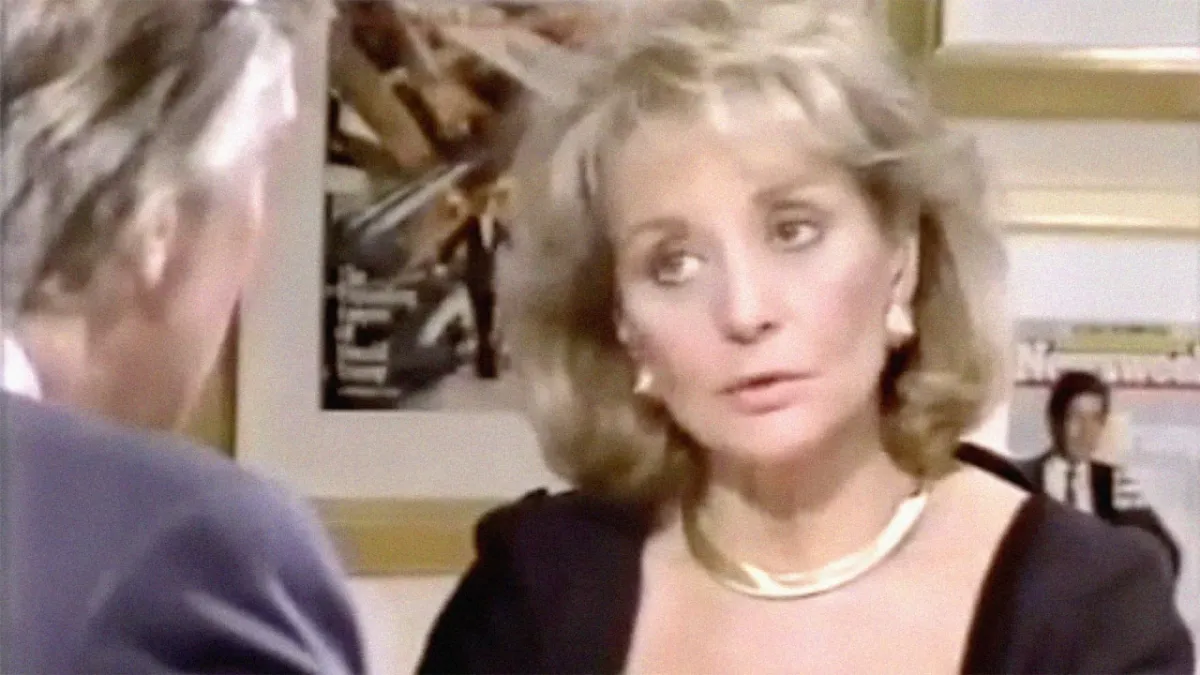 Photo: Barbara Walters, via images.fastcompany.net
From Britney Spears' conservatorship saga to the Beckham family's glossy rehabilitation tour, the documentary treatment has become Hollywood's new confessional booth. But there's a catch: when the person being "exposed" is also the executive producer, what exactly are audiences getting? Is it journalism, therapy, or just a very expensive PR campaign with dramatic music and artsy cinematography?
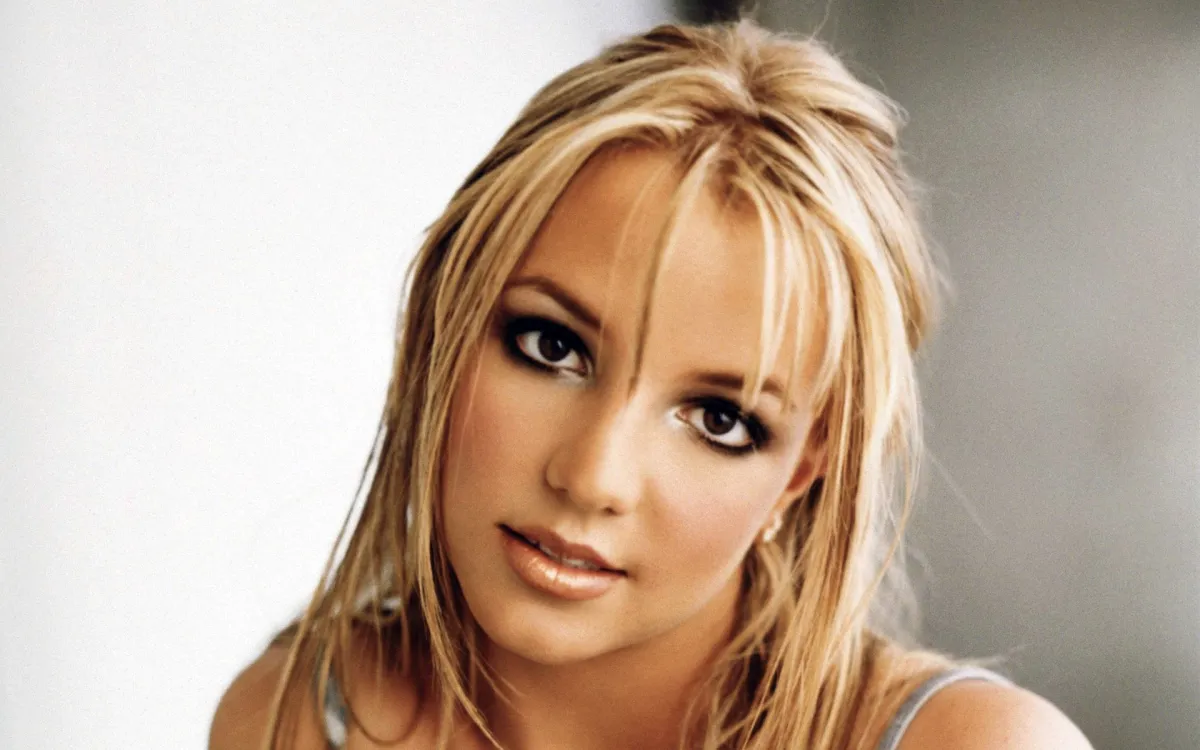 Photo: Britney Spears, via eskipaper.com
The Streaming Platform as Therapist's Couch
Netflix, Hulu, HBO Max, and Apple TV+ have become the new arbiters of celebrity redemption, offering multi-million dollar platforms for stars to reclaim their narratives on their own terms. Unlike traditional journalism, where subjects have limited control over the final product, these streaming deals give celebrities unprecedented editorial power over their own stories.
"It's brilliant, really," says one documentary filmmaker who has worked on several celebrity projects. "Instead of risking a hostile interview where you might get asked uncomfortable questions, you get to craft a four-hour narrative where you control the pacing, the context, and the conclusion. It's like getting to write your own Wikipedia page."
The numbers back up the strategy. Celebrity-driven documentaries consistently rank among streaming platforms' most-watched content, combining the voyeuristic appeal of reality TV with the prestige veneer of documentary filmmaking. For platforms desperate for buzzy content, it's a win-win — even if the journalistic integrity is questionable.
The Executive Producer Loophole
Here's where things get ethically murky: most of these celebrity documentaries prominently feature the subject's name in the executive producer credits, meaning they have significant creative control over how their story gets told. This isn't necessarily disclosed prominently to viewers, who might assume they're watching an independent investigation rather than a carefully curated autobiography.
Take the recent wave of music industry documentaries where embattled stars get to "set the record straight" about various controversies. The subjects aren't just participating — they're literally hiring the filmmakers, approving the interview questions, and signing off on the final edit. It's like letting a defendant write their own closing arguments.
"The audience thinks they're getting an exposé, but what they're really getting is a very sophisticated form of image rehabilitation," explains one entertainment lawyer who specializes in documentary deals. "The celebrity gets to play both the subject and the storyteller, which fundamentally changes what kind of truth you're going to get."
The Britney Blueprint
The template for celebrity-controlled documentary narratives was arguably perfected with the various Britney Spears conservatorship documentaries. While multiple films tackled her story, the most impactful were those that positioned Spears as a victim of media manipulation and family exploitation — a narrative that served her legal and public relations goals perfectly.
Whether or not that narrative was accurate became almost secondary to its effectiveness. The documentaries helped shift public opinion, influenced legal proceedings, and ultimately contributed to the end of her conservatorship. They were advocacy journalism disguised as entertainment, and they worked.
"The Britney docs showed everyone in Hollywood that documentaries could be more powerful than traditional PR," notes one publicity executive. "Instead of just denying allegations, you could create a whole alternative narrative that felt more authoritative because it was presented as documentary filmmaking."
The Beckham Rehabilitation Machine
More recently, the Beckham family's Netflix series provided a masterclass in using the documentary format for image rehabilitation. David Beckham's various scandals and controversies were acknowledged but carefully contextualized within a broader narrative of redemption, family values, and career achievement.
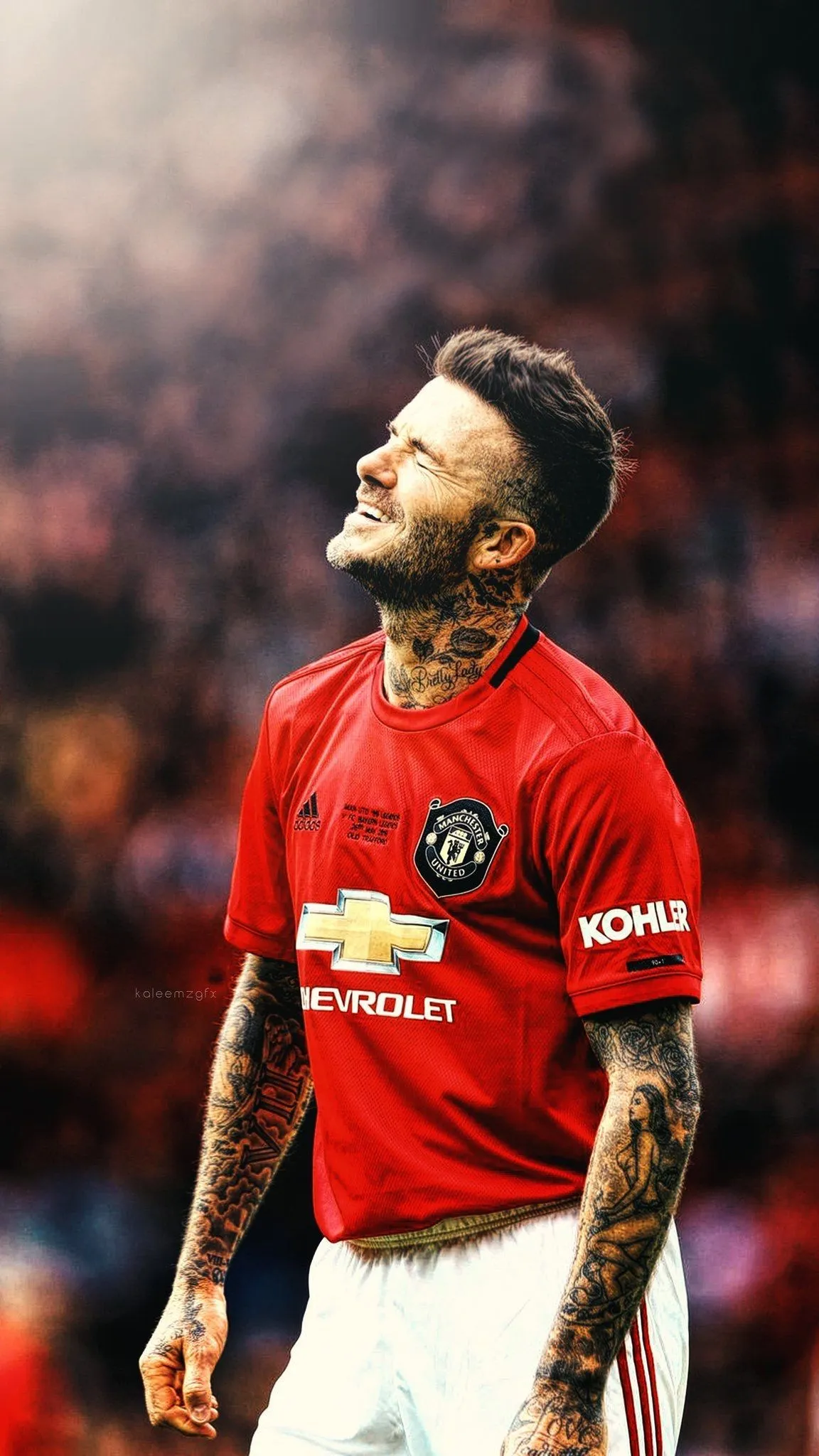 Photo: David Beckham, via wallpapercave.com
The series felt intimate and revealing while actually revealing very little that wasn't already public knowledge. Uncomfortable topics were addressed just enough to seem honest without dwelling on details that might damage the brand. It was autobiography masquerading as biography, and it was expertly executed.
"The Beckham doc is what happens when you have unlimited resources and complete creative control," observes one documentary critic. "It looks like investigative filmmaking, but it's actually just very expensive brand management."
The Authenticity Performance
What's particularly sophisticated about these celebrity-produced documentaries is how they've learned to mimic the visual and narrative language of legitimate investigative documentaries. They include talking head interviews with "experts," archival footage, and dramatic recreations that create the illusion of journalistic rigor.
But look closer at who those experts are, and you'll often find people with financial or personal relationships to the subject. The archival footage is carefully selected to support predetermined conclusions. And those dramatic recreations are presenting one version of disputed events as fact.
"They've figured out how to make advocacy look like journalism," says one documentary filmmaker who has worked in both celebrity and investigative projects. "The production values are so high and the storytelling is so sophisticated that audiences don't necessarily notice they're watching a very expensive commercial."
The New Rules of Celebrity Crisis Management
This shift toward documentary-driven narrative control has fundamentally changed how celebrity crisis management works. Instead of reactive damage control, stars can now proactively create comprehensive counter-narratives that feel more authoritative than traditional media coverage.
The documentary format allows celebrities to address controversies on their own timeline, with their own framing, and with the gravitas that comes with the prestige of documentary filmmaking. It's crisis management disguised as art.
"We tell our clients that the documentary is the new apology tour," explains one crisis management specialist. "Instead of a series of defensive interviews, you get to create one definitive account that positions you as the hero of your own story."
What Audiences Are Actually Getting
So what are viewers actually consuming when they binge these celebrity-produced documentaries? The answer is complicated. They're getting access to celebrities' personal lives and perspectives that wouldn't be available through traditional journalism. They're getting high-quality entertainment that satisfies their curiosity about famous people's private lives.
But they're not getting independent investigation or objective reporting, even if the production values suggest otherwise. They're getting carefully crafted narratives designed to serve specific public relations and legal objectives.
"The problem is that audiences don't necessarily understand the difference," notes one media literacy expert. "When something is presented as a documentary, people assume it has been fact-checked and verified in ways that it often hasn't been."
The Streaming Platform's Dilemma
Streaming platforms find themselves in an interesting position as both entertainment providers and quasi-journalistic outlets. They want the buzz and viewership that celebrity documentaries provide, but they also need to maintain some semblance of editorial credibility.
Some platforms have started including more prominent disclosures about celebrity involvement in production, while others have doubled down on the entertainment value over journalistic integrity. It's a balancing act between commercial success and ethical responsibility.
The Future of Famous People Telling Their Own Stories
As this trend continues to evolve, we're likely to see even more sophisticated forms of celebrity-controlled storytelling. Virtual reality experiences, interactive documentaries, and social media integration will give stars even more tools to craft their narratives.
The question is whether audiences will continue to accept these productions as legitimate documentary filmmaking, or whether the format will eventually be recognized for what it often is: very expensive, very sophisticated advertising.
One thing is certain: the days of celebrities being passive subjects in their own stories are over. In the streaming age, everyone gets to be the director of their own documentary — even if that fundamentally changes what a documentary actually is.