Lights, Camera, Self-Destruct: When Celebrity Documentaries Become the Scandal They Were Supposed to Prevent
Somewhere in the recent history of entertainment, a very influential celebrity sat across from a very persuasive streaming executive and heard the pitch: We'll give you total access. You'll tell your story in your own words. You'll finally be understood. It sounded like the ultimate form of control. It was, in many cases, the opposite.
The celebrity documentary boom — driven largely by Netflix, Hulu, Amazon Prime, and a handful of scrappier platforms — has produced some of the most compelling, most discussed, and most damaging pieces of content that famous people have ever voluntarily participated in. The genre promised prestige and delivered, in several notable cases, a full-length character study that no PR team could have survived.
So how did we get here? And more importantly: why do celebrities keep saying yes?
The Promise of the Platform
To understand why celebrities keep walking into the documentary trap, you have to understand what the format promised at its peak. The early wave of celebrity docs — particularly the ones that rehabilitated reputations or offered genuinely intimate access to beloved public figures — made the whole thing look like a can't-lose proposition.
A well-executed celebrity documentary can accomplish things that no press tour can. It can humanize. It can reframe. It can take a narrative that's been written by tabloids and paparazzi and replace it with something richer, more textured, more sympathetic. For celebrities who had spent years feeling misrepresented by a media ecosystem they couldn't control, the documentary offered something intoxicating: authorship.
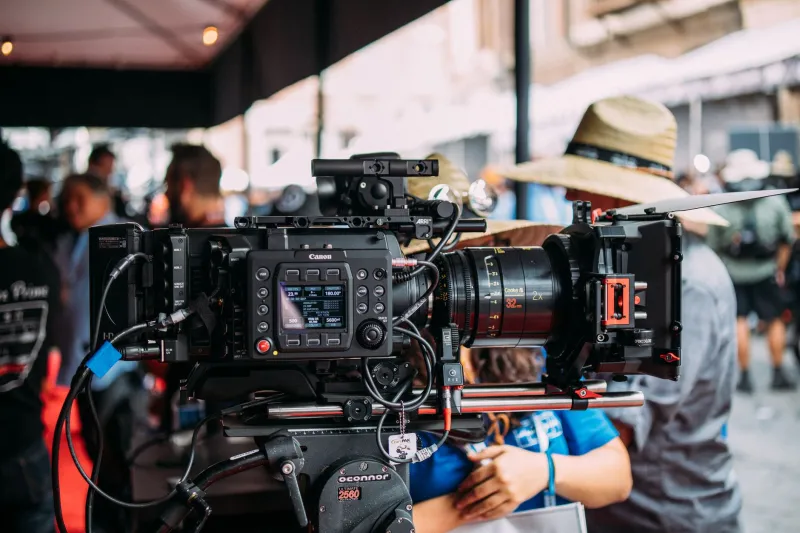
The catch — and it's a significant one — is that authorship in documentary filmmaking is almost never as simple as it sounds. Even when celebrities are heavily involved in production, the final cut is shaped by editors, by the logic of narrative structure, and by the fact that cameras, once rolling, capture everything. Including the things you forgot were being filmed.
When the Camera Sees Too Much
The most common way a celebrity documentary goes sideways isn't through a single explosive revelation. It's through accumulation. A comment here. A moment of unguarded frustration there. An interview subject who says something the celebrity clearly wishes they hadn't. Over the course of ninety minutes or a multi-episode series, these moments stack up into a portrait that the celebrity never intended to sit for.
There's a specific phenomenon that documentary filmmakers — speaking broadly about the craft, not about specific projects — refer to as vérité drift: the gradual process by which subjects forget the camera is there and begin behaving naturally. For a civilian, this produces authentic, compelling footage. For a celebrity whose public persona has been carefully managed for years, it can produce footage that contradicts every carefully crafted message they've ever delivered.
Audiences are sophisticated enough to know the difference between a celebrity performing authenticity and a celebrity being accidentally, uncomfortably real. The latter is compelling television. It is not always good for the celebrity's career.
The Control Illusion
One of the most persistent myths in celebrity documentary production is that executive producer credits translate to creative control. They often don't — or at least, not in the ways celebrities assume.
An executive producer credit typically gives a celebrity input on things like format, access, and sometimes final cut. What it rarely gives them is the ability to retroactively un-say something they said on camera two years ago, or to prevent an editor from juxtaposing two clips in a way that creates an implication neither clip would have suggested on its own.
Sources familiar with the production side of celebrity documentaries — speaking generally about industry norms — note that the most fraught moments in these projects tend to come in post-production, when the celebrity sees an early cut and realizes that the story being told is not quite the story they thought they were telling. By that point, contractual obligations and platform commitments have often made significant changes impossible.
The result is a celebrity watching their own documentary with the same sense of creeping dread that the rest of us feel watching a horror movie. Except they're the one who invited the killer inside.
The Streaming Platform's Incentive Problem
Here's something worth saying plainly: the incentives of a streaming platform and the incentives of a celebrity are not the same thing.
A streaming platform wants a documentary that people will watch, share, discuss, and subscribe to see. Controversy drives all of those metrics. A celebrity wants a documentary that makes them look good, deepens audience connection, and ideally silences their critics. Those two things can overlap — but they can also diverge dramatically, and when they do, the platform's interests tend to win.
This isn't necessarily sinister. It's structural. Streaming services are in the business of content that performs, and content that generates conversation performs better than content that simply flatters its subject. A celebrity documentary that's too controlled, too polished, too obviously a PR exercise tends to get reviewed as exactly that — which doesn't serve anyone.
The documentaries that have genuinely rehabilitated celebrity images tend to be the ones where the celebrity took a real risk — where something genuinely vulnerable or surprising was revealed. But vulnerability, by definition, can't be fully controlled. And that's the paradox that sits at the heart of every celebrity who's ever signed a documentary deal.
What Comes After the Premiere
The aftermath of a celebrity documentary that goes wrong tends to follow a recognizable arc. Initial reviews drop, and the celebrity's team spins them as hard as possible. Then the clips start circulating on social media — not the clips the celebrity hoped would define the project, but the awkward ones, the contradictory ones, the ones that make excellent GIFs. Then the think pieces arrive. Then the celebrity goes quiet for a while.
The documentaries that have genuinely backfired tend to linger in the cultural conversation in ways that flattering profiles never do. They become reference points. They get cited in future controversies. They are, in the most literal sense, permanent records.
For every celebrity currently in development on a documentary about their own life, the lesson from the streaming era is both simple and apparently very hard to internalize: a camera doesn't care about your narrative. It just records what's in front of it.
The most honest thing a celebrity documentary ever reveals is usually the thing the celebrity least wanted anyone to see — and in the streaming age, that clip is going to live on the internet forever.