The 'Surprise Album Drop' Has Officially Broken the Music Industry — And Fans Are Exhausted
When Midnight Became the New Prime Time
Remember when albums had release dates? Like, actual dates you could circle on your calendar and count down to? Those days are officially dead, murdered by the very strategy that was supposed to save the music industry from leaks and piracy. The surprise album drop — once Beyoncé's masterstroke that had the entire world losing their collective minds in December 2013 — has become the musical equivalent of crying wolf, and honestly, we're all getting tired of the 3 AM notifications.
 Photo: Beyoncé, via media1.popsugar-assets.com
What began as a revolutionary moment when Queen B blessed us with her self-titled visual album out of absolutely nowhere has devolved into every artist and their mother thinking they can recreate that lightning-in-a-bottle magic. Spoiler alert: they can't, and the numbers are starting to prove it.
The Copycats Come Out to Play
After Beyoncé's surprise drop generated $617 million in free publicity (yes, someone actually calculated that), the industry collectively said "hold my beer" and never looked back. Taylor Swift perfected the art with folklore during the pandemic, Frank Ocean tortured us with Blonde, and Drake has basically made surprise releases his entire personality. Even artists who have no business attempting this strategy are jumping on the bandwagon faster than you can say "streaming numbers."
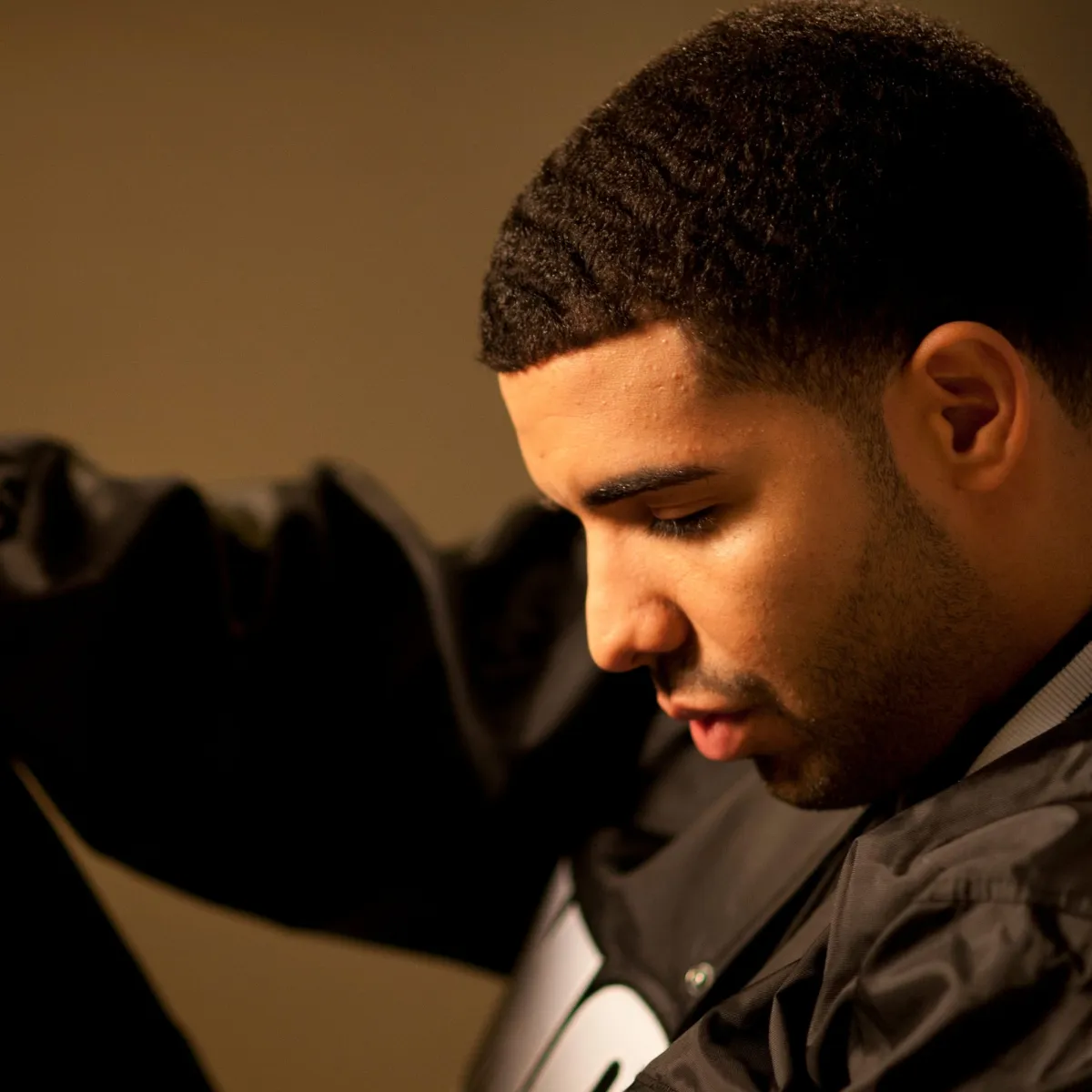 Photo: Drake, via 4kwallpapers.com
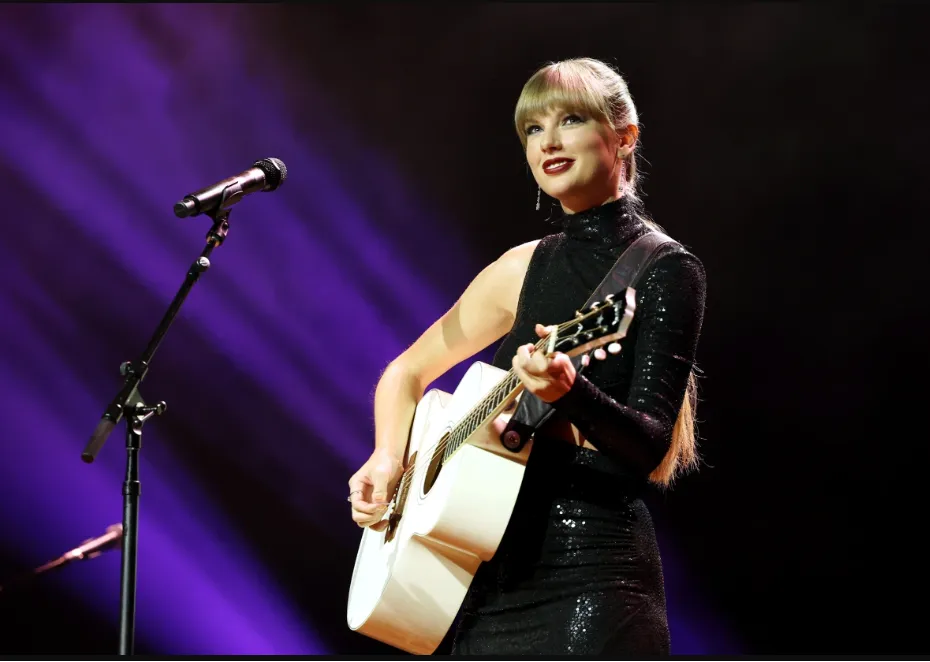 Photo: Taylor Swift, via taylorswiftconcertlondon.co.uk
The problem? When everyone's doing surprise drops, nothing is actually surprising anymore. It's like when every restaurant started calling itself "artisanal" — the word lost all meaning, and now we're just confused and slightly annoyed.
The Psychology Behind the Chaos
Marketing experts will tell you that surprise releases tap into our FOMO (fear of missing out) and create artificial urgency. "OMG, I need to listen to this RIGHT NOW before everyone else does!" But here's the thing about human psychology: we adapt. What felt urgent and exciting in 2013 now feels like homework we didn't know we had.
Dr. Sarah Martinez, a music industry analyst at NYU, explains it perfectly: "The surprise drop was effective because it broke the pattern. But when the pattern becomes surprise drops, you need something else to break that pattern. It's marketing 101, but the industry seems to have forgotten."
The Numbers Don't Lie (And They're Not Pretty)
Let's talk about what really matters: the money. While Beyoncé's surprise drop strategy worked because she's, well, Beyoncé, the same can't be said for everyone else trying to recreate her magic. Recent data shows that traditional album rollouts with proper promotion cycles still generate 23% more revenue than surprise drops for mid-tier artists.
Even more telling? Fan engagement surveys reveal that 67% of music listeners actually prefer knowing when their favorite artists are releasing new music. Turns out, anticipation is still a powerful drug, and we've been robbing ourselves of that high.
Fans Are Speaking Up (And They're Not Happy)
Scroll through any music forum or Twitter thread, and you'll find fans expressing something that would have been unthinkable five years ago: they're tired of surprise albums. "I miss having something to look forward to," reads one viral TikTok that has 2.3 million likes. "Now every Friday feels like a pop quiz I didn't study for."
The fatigue is real, and it's showing up in streaming numbers. Albums dropped without warning are seeing shorter chart runs and less sustained engagement. Meanwhile, artists like Adele and Harry Styles, who've stuck to traditional promotional cycles, continue to dominate both charts and cultural conversations for months, not just the weekend of release.
The Return to Tradition (Quietly, Of Course)
Here's where it gets interesting: some of the biggest names in music are quietly returning to old-school rollouts, but they're not making a big deal about it because admitting the surprise strategy failed would be like admitting you fell for your own hype.
Sources close to several major labels report that internal discussions are happening about "strategic anticipation building" — which is just fancy talk for "maybe we should go back to telling people when albums are coming out." Revolutionary stuff, truly.
What Happens Next?
The music industry is at a crossroads. Continue beating the surprise drop horse until it's completely dead, or admit that maybe, just maybe, there's value in building genuine excitement over time. Smart money is on a hybrid approach: save the surprise drops for truly special moments (like Beyoncé's Renaissance act rollouts) and return to traditional promotion for everything else.
As for fans? We're just hoping someone, anyone, will give us something to actually look forward to again instead of making us feel like we're constantly behind on our music homework.
Because at the end of the day, the biggest surprise would be an artist actually telling us when their album is coming out.