The Fame-for-Hire Goldmine: Inside the Wild World Where Celebrities Rent Themselves by the Minute
When Fame Became a Gig Economy
Remember when celebrities were untouchable gods living in Hollywood towers? Those days are dead and buried, honey. Welcome to 2024, where your favorite A-lister is probably hustling harder than your Uber driver, and their product isn't talent — it's access to their famous face.
The celebrity cameo economy has exploded into a multi-billion-dollar industry that makes the traditional entertainment business look quaint. We're talking about a world where Cardi B can make $1 million for a 30-second Super Bowl ad, where former Bachelor contestants charge $200 for birthday videos, and where TikTok creators are pulling in six figures just by saying your name in a 15-second clip.
 Photo: Super Bowl, via logos-world.net
But here's the tea nobody's talking about: this isn't just about easy money. It's completely reshaping what it means to be famous in America.
The Price List That'll Make Your Wallet Weep
Let's talk numbers, because the pricing structure of modern fame is absolutely unhinged. On platforms like Cameo, you've got your reality TV tier starting around $50-$200 for a personalized video. Think Love Island alumni and Real Housewives supporting cast members. Mid-tier celebrities — your former Disney stars, one-hit-wonder musicians, and retired athletes — are commanding anywhere from $500 to $5,000 per request.
Then you hit the stratosphere. A-list actors reportedly charge $25,000 to $100,000 for private party appearances. Musicians can pull in $500K to $2 million for corporate events. And don't even get me started on the Super Bowl commercial market, where 30 seconds of star power can cost advertisers upwards of $10 million when you factor in both the celebrity fee and the airtime.
But the real goldmine? Social media partnerships. Top-tier influencers and celebrities are making $100,000 to $1 million per sponsored post, depending on their follower count and engagement rates. That's more than most people's annual salary for literally posting a photo.
From Red Carpets to Ring Lights
What's fascinating is watching how different tiers of celebrities have adapted to this new economy. Your traditional A-listers — think Ryan Reynolds or Blake Lively — have mastered the art of selective availability. They'll do one massive payday gig (hello, Aviation Gin sale) that sets them up for years.
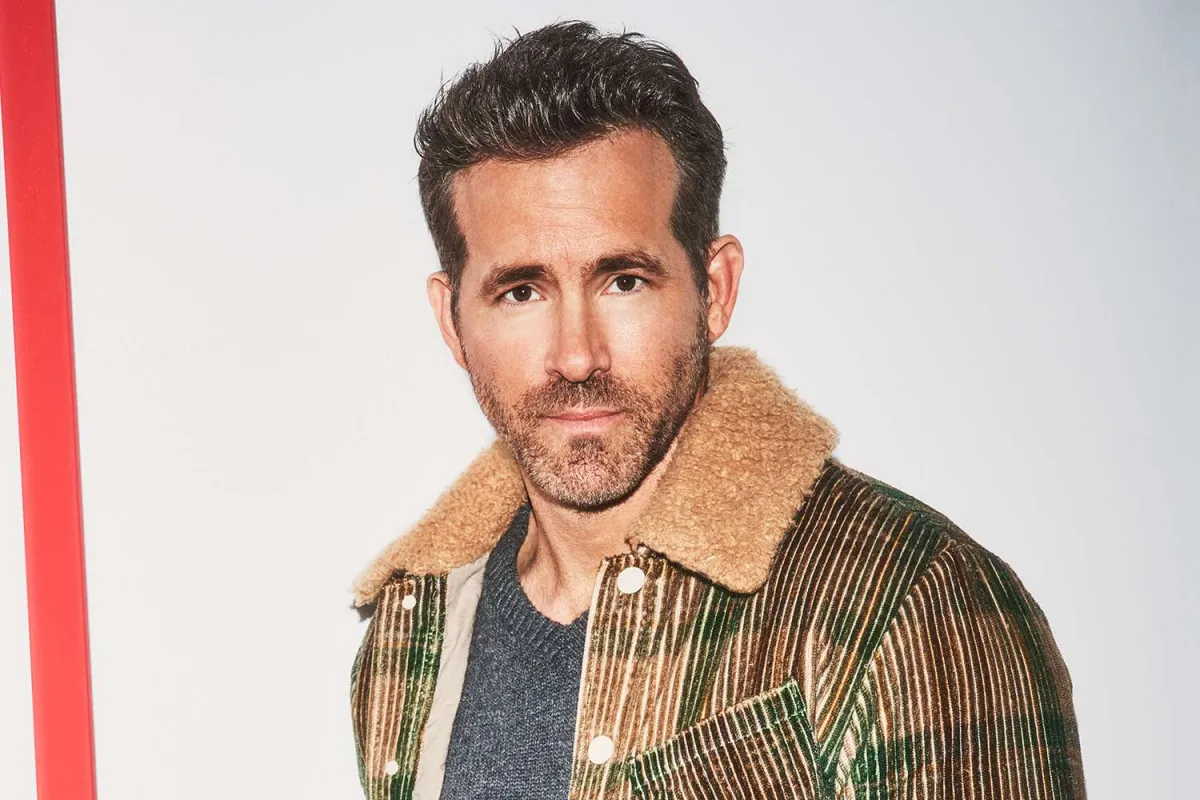 Photo: Ryan Reynolds, via people.com
Meanwhile, reality TV stars have turned constant availability into an art form. Former Bachelor and Bachelorette contestants have built entire businesses around their 15 minutes of fame, charging for everything from workout plans to dating advice to virtual meet-and-greets.
And then there's the middle tier — the former Disney Channel stars, the one-season sitcom actors, the musicians who had that one song you definitely know. These celebrities have arguably benefited most from the cameo economy, because it's given them a way to monetize nostalgia without having to book traditional gigs.
The Psychology of Paying for Proximity
But why are people dropping serious cash for what amounts to parasocial interaction on steroids? The answer says a lot about how lonely and disconnected we've become as a culture.
Dr. Sarah Martinez, a media psychology expert at USC, explains it perfectly: "We're paying for the illusion of intimacy with people we'll never actually know. It's the ultimate commodification of human connection."
The pandemic only accelerated this trend. When everyone was stuck at home, the line between celebrities and regular people blurred. Suddenly, your favorite actor was also filming themselves in their kitchen, just like you. That accessibility made them feel more attainable, and the cameo economy capitalized on that feeling.
The Dark Side of Democracy
Here's where things get complicated. On one hand, the cameo economy has democratized celebrity culture in unprecedented ways. You no longer need a studio contract or a record deal to monetize fame — you just need followers and a willingness to perform on demand.
But it's also revealed something kind of depressing about how transactional celebrity culture really is. When your childhood hero is charging $200 to wish your kid happy birthday, it strips away the magic and mystique that made them special in the first place.
Plus, there's something deeply weird about the fact that access to human beings — even famous ones — has become just another commodity to be bought and sold. It's giving dystopian vibes, honestly.
The Algorithm Economy
Social media has turned every celebrity into their own personal brand manager, and the metrics are brutal. Engagement rates, follower counts, and viral moments directly translate to earning potential in ways that traditional talent never did.
A celebrity's cameo price can literally fluctuate based on whether they went viral that week or got caught in some drama. It's like the stock market, but for human beings.
Instagram and TikTok have also created entirely new categories of micro-celebrities who can command serious money despite never appearing in a movie or recording a song. These platform-native stars often out-earn traditional celebrities in the cameo space because their audiences feel more connected to them.
What This Means for the Future of Fame
The cameo economy isn't going anywhere — if anything, it's expanding. We're already seeing virtual reality meet-and-greets, AI-generated celebrity interactions, and NFT-based exclusive access experiences.
But it's also fundamentally changing what we expect from celebrities. The old model of mysterious, untouchable stars is being replaced by accessible, always-available content creators who happen to be famous.
Whether that's a good thing depends on your perspective. Are we democratizing fame and giving fans unprecedented access to their heroes? Or are we reducing human connection to just another transaction in the attention economy?
The Bottom Line
The celebrity cameo economy has revealed that fame, at its core, was always about selling access to yourself. The only difference now is that the price list is public, the transactions are digital, and everyone from A-listers to reality TV footnotes is in on the game.
In a world where attention is currency and authenticity is performed, maybe it's fitting that celebrities are finally being honest about what they're really selling: themselves, one cameo at a time.