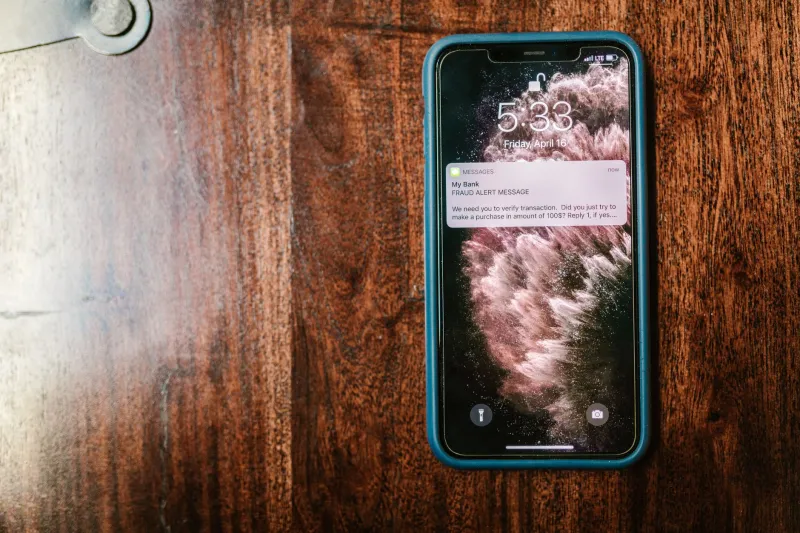
The 'Stan Account to Staffer' Pipeline: How the Internet's Most Obsessed Fans Ended Up Running Celebrity Empires
From Basement to Boardroom
Remember when fan accounts were just teens posting grainy concert footage and writing unhinged conspiracy theories about their favorite celebrities? Those days are officially over. The most successful stan accounts aren't just getting noticed anymore — they're getting hired.
Across Hollywood, celebrities and their management teams are quietly recruiting their most dedicated fan account operators as legitimate members of their social media, PR, and marketing teams. It's the ultimate insider move: who better to craft your online persona than someone who's been obsessively studying it for years?
But this shift from fan to employee is creating some seriously messy ethical territory. When the person who used to write 47-tweet threads about your fave's "secret messages" is now writing their official Instagram captions, where exactly does authentic fandom end and manufactured buzz begin?
The Ultimate Insider Knowledge
The appeal is obvious from a business perspective. These super-fans don't just understand the celebrity's brand — they helped create it. They know which photos get the most engagement, which captions spark the best conversations, and most importantly, they understand the fan base better than any traditional marketing executive ever could.
Take the case of several major pop stars who've quietly brought their most successful fan account runners into their official teams. These aren't just social media managers — they're becoming creative directors, content strategists, and sometimes even unofficial PR representatives. They know exactly which throwback photo will send the fandom into a nostalgic spiral, or which cryptic caption will fuel weeks of speculation about new music.
The transition usually happens gradually. A fan account that's gained significant following might start getting "exclusive" content to share, or early access to announcements. Then comes the unofficial collaboration — maybe they're asked to help promote a new project or coordinate fan events. Before you know it, there's an NDA and a salary involved.
The Authenticity Paradox
But here's where things get weird: once a fan account operator becomes an employee, are they still a fan? Their posts might look identical to their old content, but now there's a paycheck behind every "OMG I can't believe how talented my queen is!!!" caption.
This creates a fascinating authenticity paradox. The content that made these accounts successful in the first place was their genuine, unfiltered enthusiasm. But once that enthusiasm becomes a job requirement, how genuine can it really be? Fans are starting to notice when their favorite fan accounts suddenly become a little too polished, a little too on-message.
Some former fan account operators have spoken about the adjustment period. The freedom to post whatever random thought or conspiracy theory disappears when your tweets could actually impact your boss's career. Suddenly, that unhinged 3 AM theory about hidden meanings in music videos becomes a potential HR issue.
The Insider Trading of Influence
The most problematic aspect of this pipeline is how it blurs the line between organic fan engagement and paid promotion. When a popular fan account shares "leaked" information or gets mysteriously early access to content, fans assume it's because of their dedication and insider connections. They don't realize they might be looking at a carefully orchestrated marketing campaign.
This pseudo-organic promotion is incredibly valuable because it doesn't feel like advertising. Fans trust these accounts in a way they'd never trust official celebrity social media or traditional ads. When @CelebObsessed2019 posts about how "iconic" their fave's new single is, it carries more weight than any official press release.
Some celebrities have entire networks of these officially unofficial accounts, creating an echo chamber of positive buzz that appears completely grassroots. It's influencer marketing taken to its logical extreme — instead of paying strangers to promote your brand, you pay your biggest fans to keep doing what they were already doing, just with more coordination.
The Dark Side of Stan Employment
Not every fan-to-employee transition is a success story. Several former fan account operators have shared horror stories about the pressure and expectations that come with monetizing their obsession. When your hobby becomes your job, the fun can disappear quickly.
There's also the issue of what happens when the employee-fan relationship goes sour. Unlike regular employees, these workers often have years of personal investment in their boss's career and image. Breaking up with your favorite celebrity as an employer can be devastating on both professional and emotional levels.
Some have described feeling trapped between their genuine feelings as fans and their professional obligations as employees. What happens when you disagree with a career decision or don't actually like a new project? Can you honestly promote something you don't believe in, or do you have to fake enthusiasm for a paycheck?
The New Rules of Fandom
This pipeline is also changing what it means to be a fan in the social media age. Ambitious fan account operators now view their obsessive posting as a potential career path rather than just a hobby. The most successful accounts are becoming increasingly professional, treating engagement metrics and follower growth as resume builders rather than just fun statistics.
Younger fans are starting to create content with employment in mind, crafting their online personas to appeal to celebrity management teams rather than just other fans. The authenticity that made fan accounts special in the first place is being strategically calculated, which feels like missing the point entirely.
The Future of Professional Fandom
As this trend continues, we're likely to see even more formalization of the fan-to-employee pipeline. Some celebrities are already hosting "fan intern" programs, essentially auditions for future social media team members. Others are creating official fan ambassador programs that function as unpaid trial periods for potential hires.
The line between fandom and employment is only going to get blurrier. Soon, we might need disclosure requirements for fan accounts that have financial relationships with the celebrities they promote, similar to how influencers must disclose sponsored content.
The Ultimate Parasocial Relationship
At its core, the stan-to-staffer pipeline represents the ultimate evolution of parasocial relationships. These fans have moved from one-sided emotional investment to actual professional partnerships with their idols. It's the logical endpoint of social media fandom culture — but it might also be killing what made that culture special in the first place.
When everyone's a potential employee, nobody's just a fan anymore. And in trying to professionalize passion, we might be losing the authentic enthusiasm that made fan culture worth monetizing in the first place.