Sponsored and Scorned: The Celebrity Brand Deals That Became Instant Disasters — and the Ones the Internet Will Never Let Go

Somewhere in a very expensive conference room, a brand executive is looking at a slide deck that says "Celebrity Partnership Strategy" at the top and features a photo of someone who, by the time this campaign actually launches, will have done something that makes the entire project radioactive. It happens with a regularity that should, by now, have the industry rethinking its entire approach. It does not.
Welcome to the celebrity brand deal graveyard — a sprawling, occasionally hilarious, and genuinely instructive monument to the gap between what marketing teams think a famous person represents and what that famous person is actually about to do.
The Architecture of a Bad Deal
Before we get to the carnage, it's worth understanding how these partnerships are supposed to work — because the failures are more illuminating when you understand what success was meant to look like.
A celebrity brand deal, at its most functional, is a values alignment transaction. The brand gets the celebrity's audience, cultural cachet, and implicit endorsement. The celebrity gets money (significant money — top-tier endorsement deals for A-list talent can clear eight figures annually) and, theoretically, a brand association that reinforces their public image.
The vetting process, when it functions correctly, involves background checks, social media audits, contract clauses tied to behavioral standards (the industry calls them "morality clauses," which sounds very Victorian and is, in practice, very hard to enforce), and extensive alignment meetings between the celebrity's team and the brand's marketing department.
When it doesn't function correctly — which is more often than anyone in the industry wants to admit — you get what we're about to discuss.
The Pepsi Problem (And What It Taught Everyone Who Wasn't Paying Attention)
No conversation about catastrophic celebrity brand moments is complete without acknowledging the 2017 Pepsi commercial featuring Kendall Jenner, which remains one of the most studied disasters in modern advertising history. The ad, which depicted Jenner defusing a tense protest by handing a police officer a can of Pepsi, was pulled within 24 hours of its release after a public reaction so swift and so negative that it briefly broke through the noise of an already extremely noisy news cycle.
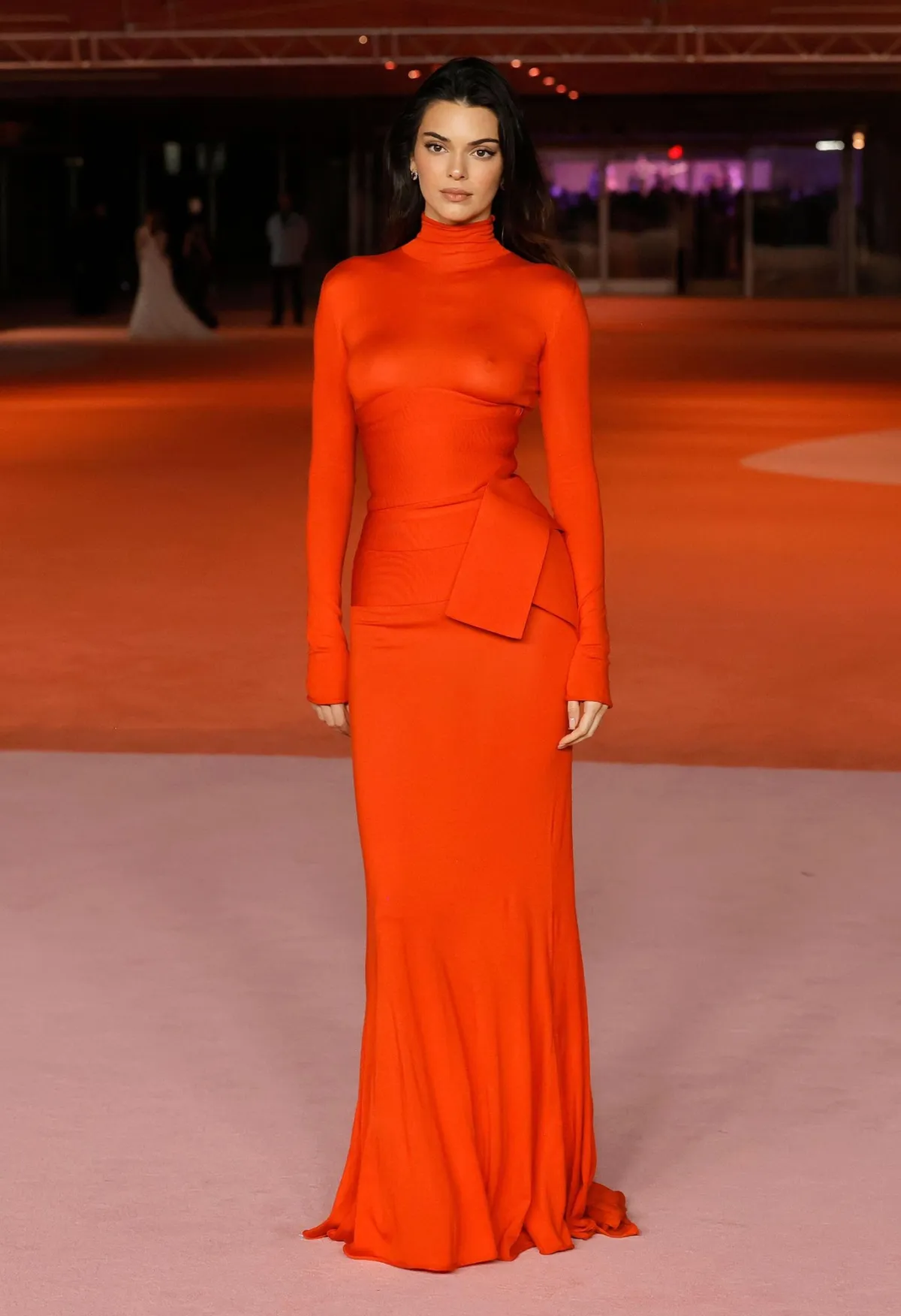 Photo: Kendall Jenner, via www.usmagazine.com
The backlash was immediate and came from multiple directions simultaneously: civil rights advocates called it tone-deaf and exploitative, advertising critics called it incompetent, and social media did what social media does, which is generate memes that will outlive us all. Jenner herself was largely viewed as a victim of a catastrophically misguided creative direction rather than the architect of it, which is a distinction the internet made more generously than it typically does.
Pepsi issued an apology. Jenner addressed it, tearfully, on an episode of Keeping Up With the Kardashians. The commercial itself has been viewed millions of times in the years since — almost exclusively as a case study in what not to do.
The lesson the industry was supposed to take: think very carefully about what you're asking a celebrity to represent, and whether the symbolism holds up for five seconds of genuine scrutiny. The lesson the industry actually took: unclear, given subsequent events.
The FTX Era: When Celebrities Endorsed Thin Air
If the Pepsi moment was a creative failure, the wave of celebrity FTX cryptocurrency endorsements that collapsed in 2022 was something categorically different: a financial scandal with a famous face on every surface.
When FTX, the cryptocurrency exchange founded by Sam Bankman-Fried, imploded in November 2022 in what prosecutors described as one of the largest financial frauds in American history, it took with it a roster of celebrity endorsers that read like an invitation list to a very specific kind of Hollywood party. Tom Brady and Gisele Bündchen (who were, at the time, still married, which adds a layer). Stephen Curry. Naomi Osaka. Larry David, whose "Don't be a Larry" Super Bowl ad for FTX aged approximately as well as you'd expect.
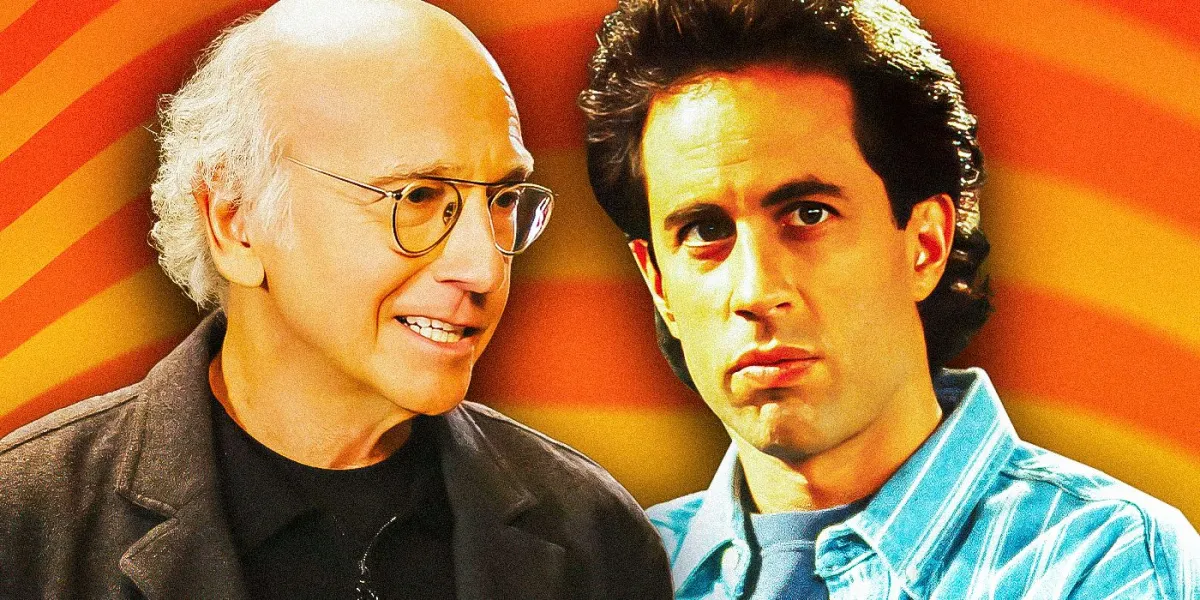 Photo: Larry David, via static1.srcdn.com
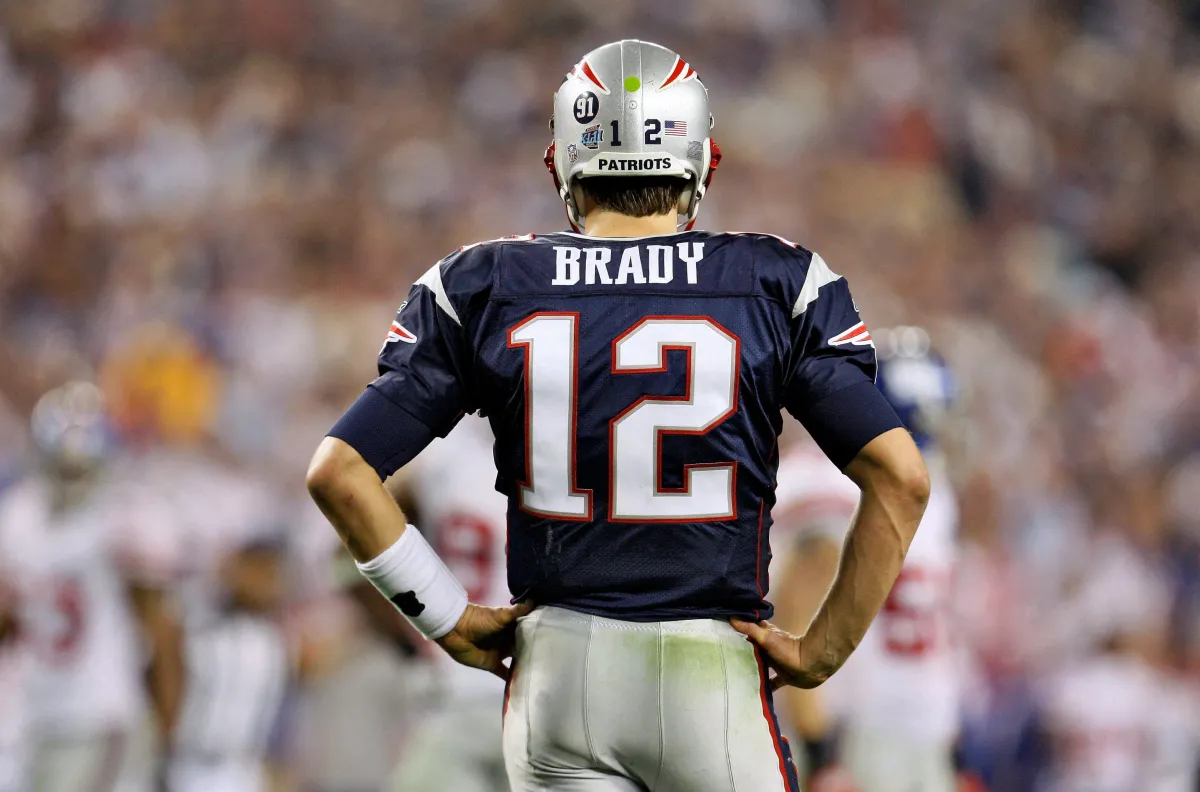 Photo: Tom Brady, via www.washingtonpost.com
The legal fallout was significant. A class action lawsuit named multiple celebrity endorsers, alleging they had promoted the platform to ordinary investors without adequately disclosing their financial relationships with FTX. Several settled. The settlements were not small. The reputational damage varied — Larry David's was arguably softened by the fact that the "skeptic who was wrong" premise of his own ad became its own ironic punchline. Others fared less well.
The FTX debacle crystallized something the industry had been quietly aware of for years: the morality clause problem doesn't just apply to celebrity behavior. It also applies to the brand itself. When the thing you're endorsing turns out to be fraudulent, the celebrity's credibility takes the hit regardless of whether they knew anything was wrong.
The Deals That Became Punchlines Before They Even Launched
Some partnerships don't need a scandal to fail. They fail on contact with the public, instantly and completely, because the fundamental premise is so misaligned that no amount of creative direction can save it.
The internet has developed a specific, merciless vocabulary for this category. When a celebrity whose public persona is built on a particular kind of authenticity signs with a brand that represents the opposite of everything they've claimed to stand for, the gap is visible immediately and fans are not forgiving. The comments sections on those announcement posts are, in the parlance of the internet, a war zone.
Brand vetting teams are supposed to catch these misalignments before they become public. The fact that they consistently don't points to a structural problem: the people making the final call on celebrity partnerships are often more focused on follower counts and demographic reach than on the more intangible question of whether this actually makes sense.
Why Brands Keep Doing This
The honest answer is that even bad celebrity brand deals often generate more attention than good ones, and in an attention economy, attention is the primary currency. The FTX campaign was being discussed everywhere after the collapse — more than it ever was during its active run. The Pepsi commercial has been watched more times as a cautionary tale than it ever would have been as a successful advertisement.
There is a case — a cynical one, but a real one — that some of what looks like brand deal failure is actually brand deal success measured by the wrong metric. If the goal was awareness, mission accomplished. If the goal was association with something people feel good about, less so.
For the celebrities involved, the calculus is messier. Reputational damage from a failed brand deal is real and sometimes lasting. The money, however, is also real. And in most cases, the money was received before the disaster arrived.
The Verdict, Running
The brand deal graveyard keeps accepting new residents because the incentive structures that built it haven't changed. Celebrities need revenue streams beyond their primary craft. Brands need cultural relevance they cannot manufacture internally. The gap between those two needs is where deals get made, and where deals go wrong.
What does change, slowly, is the public's tolerance for the pretense. Audiences are increasingly sophisticated about the mechanics of celebrity endorsement, increasingly quick to identify misalignment, and increasingly vocal about it in ways that have genuine commercial consequences.
The brands that are getting this right are the ones treating celebrity partnerships as long-term brand relationships rather than short-term attention grabs — where the celebrity is actually involved in the product, actually uses it, and isn't contractually obligated to pretend otherwise.
Everyone else is just adding square footage to the graveyard.
The next Super Bowl ad season is four months away, and somewhere out there, a very famous person is about to sign something they will deeply regret — the only question is which product gets to be immortalized in the disaster.