The Red Carpet Boycott Nobody Is Talking About: Why Some of Hollywood's Biggest Names Keep Skipping Award Season

The Empty Seats You Don't See
Scan any recent award show audience and you'll notice something: the biggest stars in Hollywood are increasingly nowhere to be found. Not because they weren't nominated, not because they weren't invited, but because they made a calculated decision that the potential downsides of showing up outweigh the benefits.
While award show producers scramble to fill seats with TikTok stars and reality TV personalities, A-listers are quietly implementing a new strategy: strategic absence. And it's working better than anyone wants to admit.
The Risk-Reward Calculation
For decades, award shows were considered mandatory for serious actors. Missing the Oscars or Golden Globes meant missing out on career-defining moments and industry networking. But the calculation has fundamentally shifted.
"The upside of attending is maybe a nice photo and some good press if you win," explains one longtime publicist who requested anonymity. "The downside is unlimited. One wrong look, one bad joke reaction, one wardrobe malfunction, and you're a meme forever."
In the social media age, award shows have become minefields where a single moment can define how you're perceived for years. Remember Jennifer Lawrence's multiple falls? Kanye's Taylor Swift interruption? La La Land's Moonlight mix-up? These moments overshadowed everything else about those ceremonies.
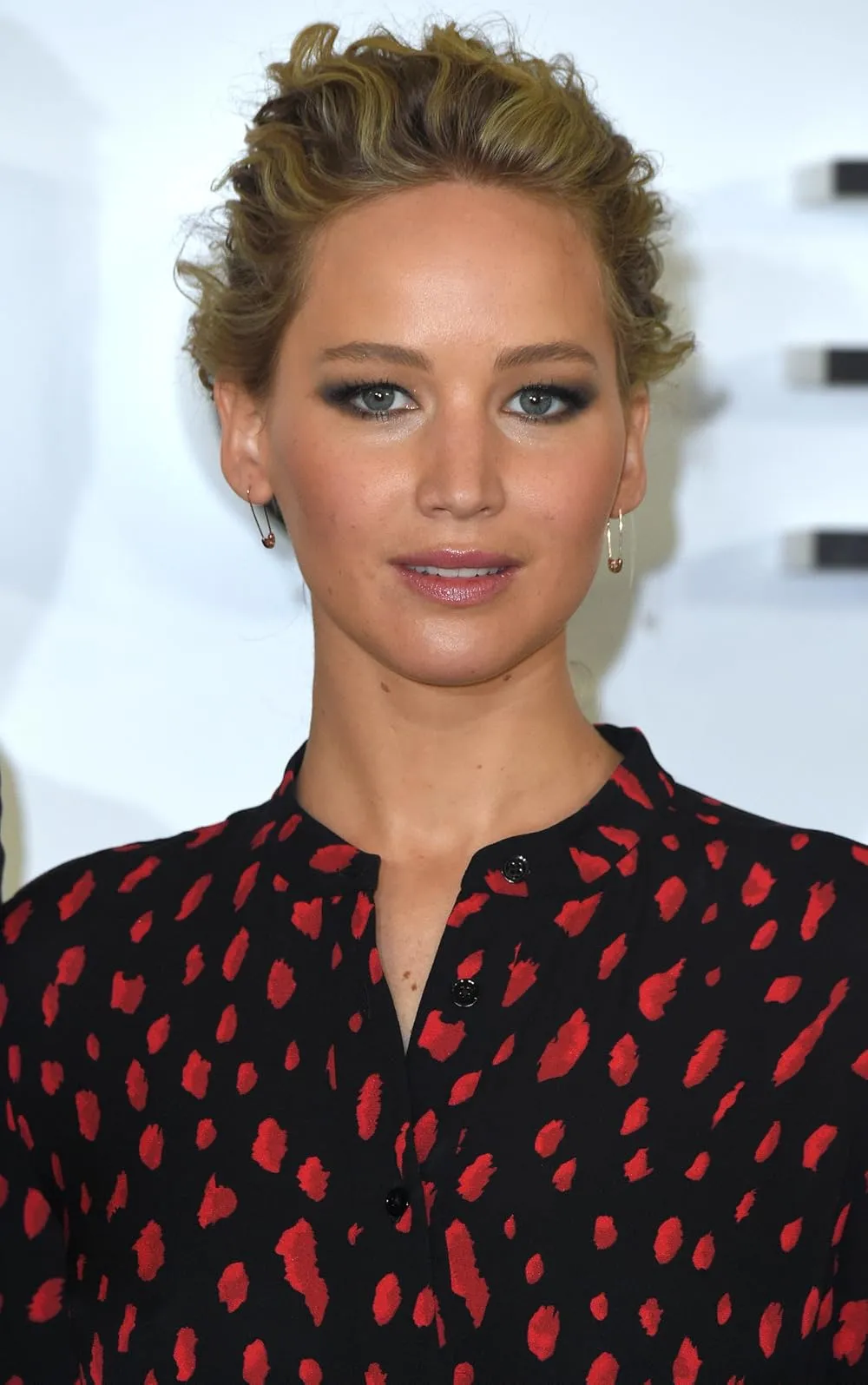 Photo: Jennifer Lawrence, via m.media-amazon.com
The Joaquin Phoenix Precedent
Joaquin Phoenix has become the unofficial poster boy for the award show opt-out strategy. Despite being nominated multiple times and eventually winning an Oscar, Phoenix spent years skipping ceremonies he deemed "meaningless." His absence didn't hurt his career — if anything, it enhanced his reputation as a serious artist who was above the Hollywood game.
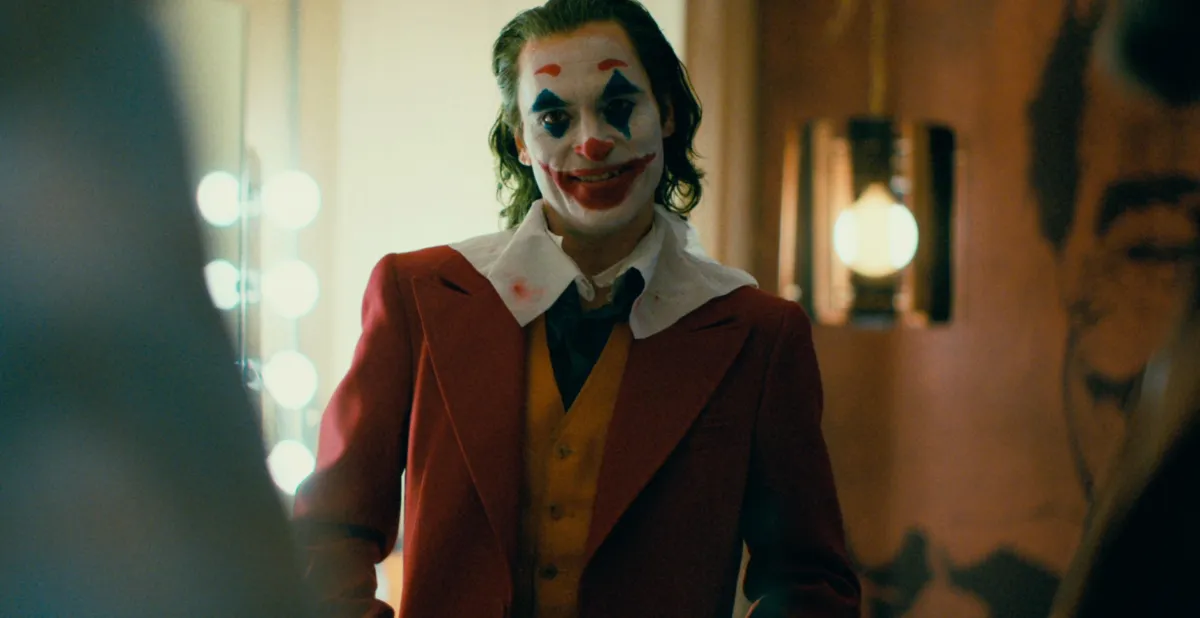 Photo: Joaquin Phoenix, via wallpapercave.com
Phoenix's approach showed other actors that you could maintain credibility and even generate more buzz by not participating in the circus. His eventual Oscar win felt more significant because he'd previously rejected the system's validation.
The Social Media Trap
Award shows used to be controlled environments where stars could manage their image through practiced speeches and coordinated photo ops. Social media changed all that. Now every reaction shot, every awkward moment, every perceived slight gets dissected by millions of people in real time.
Stars have watched colleagues get dragged for everything from their facial expressions during other people's speeches to their choice of plus-one. The traditional benefits of award show attendance — controlled publicity and industry visibility — have been replaced by uncontrollable viral moments that can derail careers.
The Streaming Service Strategy
Netflix, Amazon, and other streaming giants have also changed the award show equation. These platforms don't need their stars to play the traditional Hollywood game to generate buzz for their content. A strategic interview or social media campaign can create more targeted publicity than a red carpet appearance.
Streaming services have their own promotional ecosystems that don't require participation in legacy media events. They can create their own award shows, their own red carpet moments, their own viral content. Why risk the chaos of the Oscars when you can control the entire narrative?
The International Factor
Many of Hollywood's biggest current stars are international actors who have thriving careers in multiple markets. For them, American award shows represent just one small piece of their global brand strategy. Missing the Golden Globes doesn't hurt their box office appeal in Asia or Europe.
Actors like Oscar Isaac, Lupita Nyong'o, and Dev Patel have global fan bases that care more about their actual work than their award show appearances. This international perspective has freed them from feeling obligated to participate in what they see as an increasingly American-centric and industry-insider event.
The Generational Divide
Younger stars who grew up with social media understand the risks of award shows better than their predecessors. They've seen careers damaged by single viral moments and have developed strategies to avoid those situations entirely.
Meanwhile, older established stars who already have their legacies secured feel less pressure to maintain visibility through award show appearances. They can afford to be selective about when and where they show up.
The Producer Panic
Award show producers are acutely aware of this trend but are reluctant to acknowledge it publicly. Admitting that A-listers are choosing not to attend would undermine the prestige these shows depend on for ratings and advertiser interest.
Instead, they're quietly changing their strategies. More award shows are offering remote participation options, shortening ceremonies, and creating more controlled environments for star appearances. Some are even paying appearance fees, though this practice is rarely acknowledged publicly.
The COVID Effect
The pandemic normalized remote award show participation and proved that these events could function without traditional in-person gatherings. Many stars discovered they preferred the control and convenience of appearing via video link or pre-recorded segments.
This experience showed both stars and producers that physical attendance wasn't actually necessary for most award show functions. The mystique of "being there" lost much of its power once everyone had attended major ceremonies from their living rooms.
The Authenticity Performance
Ironically, skipping award shows has become its own kind of authenticity performance. Stars can position themselves as being "above" the Hollywood machine while still benefiting from the industry they're supposedly rejecting.
This strategy allows them to maintain their insider status while appealing to audiences who are increasingly skeptical of traditional celebrity culture. It's having your cake and eating it too — staying part of the system while appearing to critique it.
The Economic Reality
For many A-list stars, the opportunity cost of attending award shows has become too high. A single day spent at an award ceremony could be used for more lucrative opportunities: filming, meetings, or personal brand activities that generate more revenue than award show publicity.
When you're commanding eight-figure salaries, spending a day on unpaid award show obligations becomes a harder sell, especially when the career benefits are increasingly questionable.
The Future of Award Season
Award shows are adapting to this new reality by becoming more desperate for star power. We're seeing more and more celebrities who have no connection to the nominated work appearing as presenters, performers, or special guests.
The shows are also becoming more willing to cater to star demands: shorter red carpets, more controlled interview situations, guaranteed positive coverage, and even financial incentives for attendance.
But the fundamental problem remains: in an era where a single viral moment can overshadow a lifetime of work, many stars have decided that the smartest move is not to play the game at all.
The red carpet boycott isn't organized or announced — it's just the logical conclusion of a cost-benefit analysis that increasingly doesn't add up. And until award shows figure out how to change that math, expect to see more empty seats filled by influencers while the actual stars watch from home.