The Celebrity Perfume Graveyard: Why Every A-Lister Launches a Fragrance — and Most Die on the Shelf
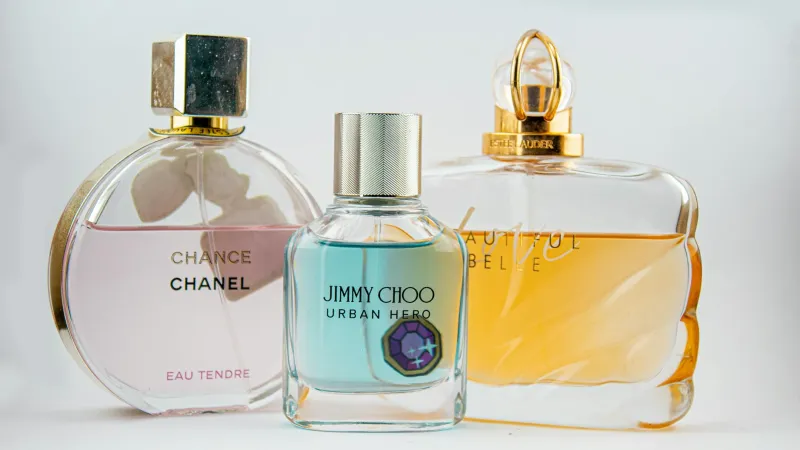
The Billion-Dollar Smell Test
Walk into any discount pharmacy and you'll find them: rows of celebrity fragrances marked down to $9.99, their once-glamorous bottles gathering dust next to generic body sprays. Yet somewhere in a boardroom right now, another A-lister is signing a contract to launch their signature scent, convinced they'll be the exception to the rule.
The celebrity fragrance industry is worth over $3 billion annually, but it's also one of the most brutal markets in entertainment business. For every Britney Spears building a fragrance empire, there are dozens of stars whose perfumes went from red carpet launch to clearance rack faster than you can say "eau de desperation."
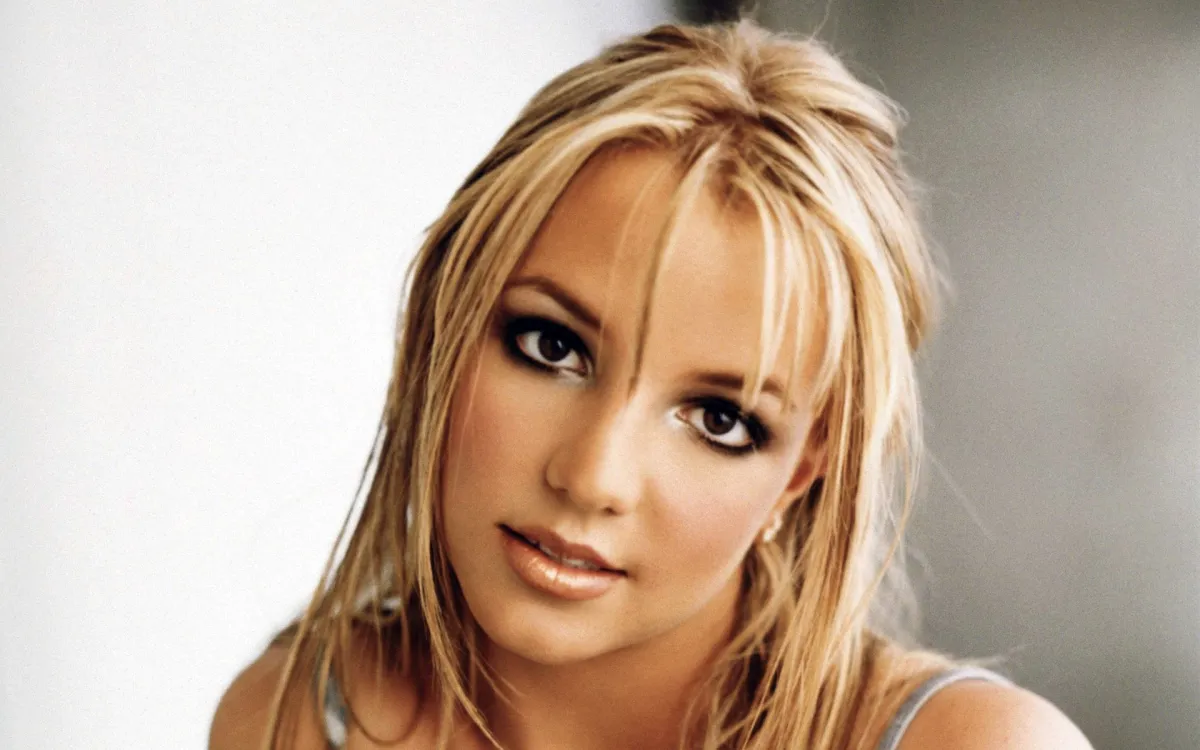 Photo: Britney Spears, via eskipaper.com
The Fantasy Versus Reality
The appeal is obvious: fragrances seem like easy money. Unlike albums or movies, celebrities don't need talent to sell a scent — just name recognition and a willingness to smile at launch events. The math looks tempting too, with successful fragrances generating millions in royalties for decades.
"Every celebrity thinks they're going to be the next Chanel No. 5," says a former fragrance industry executive. "They see the success stories and assume it's just about putting their name on a bottle. They don't realize how incredibly difficult it is to create a scent that people actually want to wear repeatedly."
The reality is far more complex. Creating a successful fragrance requires understanding chemistry, consumer psychology, and market positioning in ways that have nothing to do with red carpet appearances or Instagram followers.
The Hall of Fame
Let's start with the winners, because they do exist. Britney Spears' "Curious" launched in 2004 and spawned an empire worth over $1.5 billion. The secret? Her team understood that the fragrance needed to embody her brand — youthful, accessible, slightly rebellious — rather than trying to be sophisticated.
Jennifer Lopez's "Glow" became another legitimate success story, capitalizing on her reputation for glamour and her Latin fanbase's loyalty. Rihanna's Fenty Beauty success translated into fragrance wins too, proving that authenticity and understanding your audience matters more than celebrity wattage.
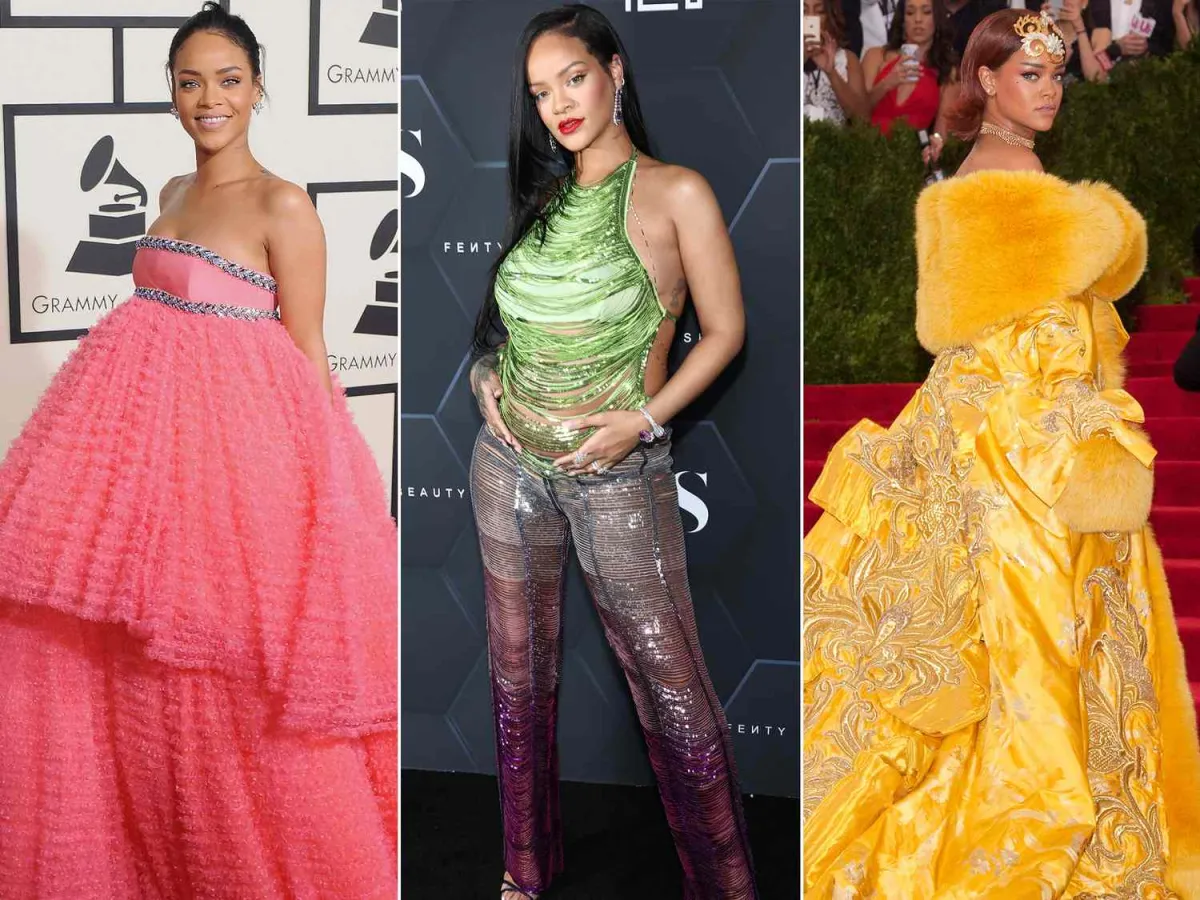 Photo: Rihanna, via people.com
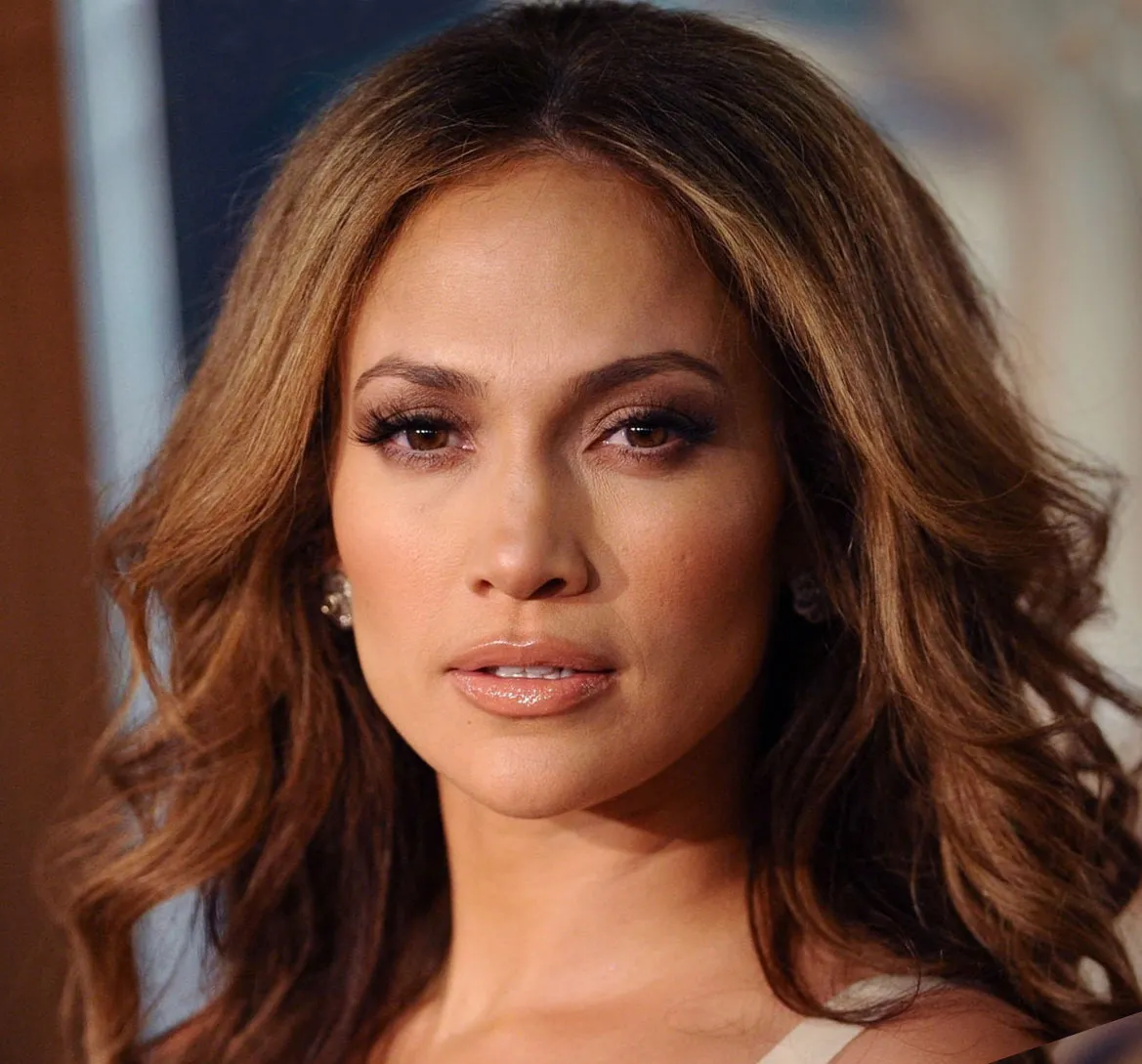 Photo: Jennifer Lopez, via celebmafia.com
Celine Dion, surprisingly, built a fragrance empire that outlasted many pop contemporaries. Her scents succeeded because they targeted an older demographic that actually buys premium fragrances regularly, rather than chasing the youth market that treats perfume as an impulse purchase.
The Graveyard Shift
But for every success story, there are countless failures that reveal the industry's harsh realities. Remember Usher's "UR"? Paris Hilton's seventeen different fragrances? The countless reality TV stars who launched perfumes that lasted shorter than their fifteen minutes of fame?
The problem often starts with market saturation. Department stores can only dedicate so much space to celebrity fragrances, and they prioritize brands that move inventory consistently. A celebrity scent might get prime placement for its launch month, but if it doesn't sell, it's quickly relegated to discount retailers.
"The lifecycle of most celebrity fragrances is about eighteen months," explains a retail buyer who's worked with major department store chains. "Launch with fanfare, six months of decent sales riding on publicity, then a slow decline until we're practically giving them away."
The Science of Scent
What separates the winners from the losers often comes down to the actual fragrance itself. Successful celebrity scents tend to be crowd-pleasers — not too challenging, not too generic, with enough personality to justify the premium over drugstore alternatives.
The failures usually fall into predictable traps: trying to be too sophisticated (losing the celebrity's core audience), too generic (why pay more for something that smells like everything else?), or too weird (alienating potential buyers who expected something safe).
"Celebrities often want to create something 'artistic' or 'unexpected,'" notes a perfumer who's worked on multiple celebrity launches. "But fragrance buyers are conservative. They want something that smells good and makes them feel connected to the star, not something that challenges their olfactory boundaries."
The Brand Extension Trap
Many celebrity fragrance failures stem from treating scent as just another brand extension rather than a standalone product category. Stars who succeed understand that fragrance consumers have different motivations and shopping habits than music or movie fans.
"Your TikTok followers aren't necessarily going to drop $60 on your perfume," explains a brand consultant who specializes in celebrity products. "Fragrance buyers are often older, more affluent, and making more considered purchases. You need to reach them where they shop and speak their language."
This disconnect explains why some of the biggest pop stars have launched fragrance flops while less obvious celebrities have found success. It's not about fame level — it's about understanding your actual customer base.
The Economics of Failure
The financial structure of celebrity fragrance deals helps explain why stars keep launching despite the high failure rate. Most deals involve minimal upfront investment from the celebrity, with licensing companies handling development, production, and marketing costs.
Even failed fragrances can generate decent short-term revenue from initial orders and launch publicity. The celebrity gets their licensing fee regardless of long-term performance, while the fragrance company absorbs most of the risk.
"From the celebrity's perspective, there's almost no downside," says an entertainment lawyer who's negotiated fragrance deals. "Worst case scenario, it disappears quietly and they move on to the next venture. Best case, they've created a revenue stream that lasts for decades."
The Future of Famous Fragrances
The celebrity fragrance game is evolving. Newer stars are approaching scent launches more strategically, often building fragrance into broader lifestyle brands rather than treating it as a standalone cash grab.
Social media has also changed the game, allowing celebrities to build genuine enthusiasm for their fragrances through behind-the-scenes content and direct fan engagement. The stars who succeed now are those who can make the fragrance development process part of their brand story.
But the fundamental challenge remains: creating a scent that people actually want to smell like every day is incredibly difficult, and no amount of celebrity glamour can overcome a fragrance that doesn't deliver on the most basic level.
The celebrity perfume graveyard will keep growing, but so will the dreams of stars convinced they've cracked the code — one signature scent at a time.