The 'Quiet Firing' of Hollywood: How Studios Are Phasing Out A-Listers Without Ever Saying Goodbye

When Your Phone Stops Ringing
Remember when Katherine Heigl was everywhere? One day she was commanding $12 million paychecks and gracing every red carpet, the next she was... well, where is she now? The answer lies in Hollywood's most insidious practice: the quiet firing.
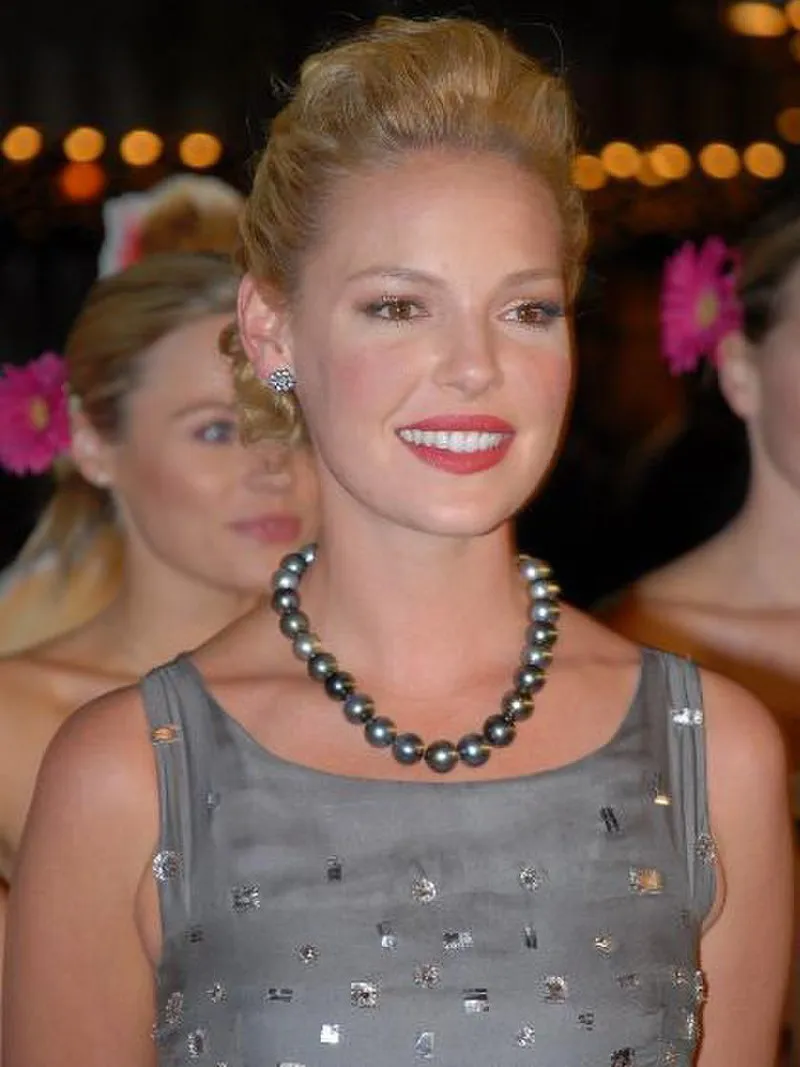 Photo of Katherine Heigl, via Wikidata/Wikimedia Commons
Unlike the spectacular career implosions we love to dissect — think Mel Gibson's meltdowns or Armie Hammer's cannibalism scandal — some of Tinseltown's biggest names simply fade away through a process so subtle, so calculated, that by the time they realize what's happening, the industry has already moved on.
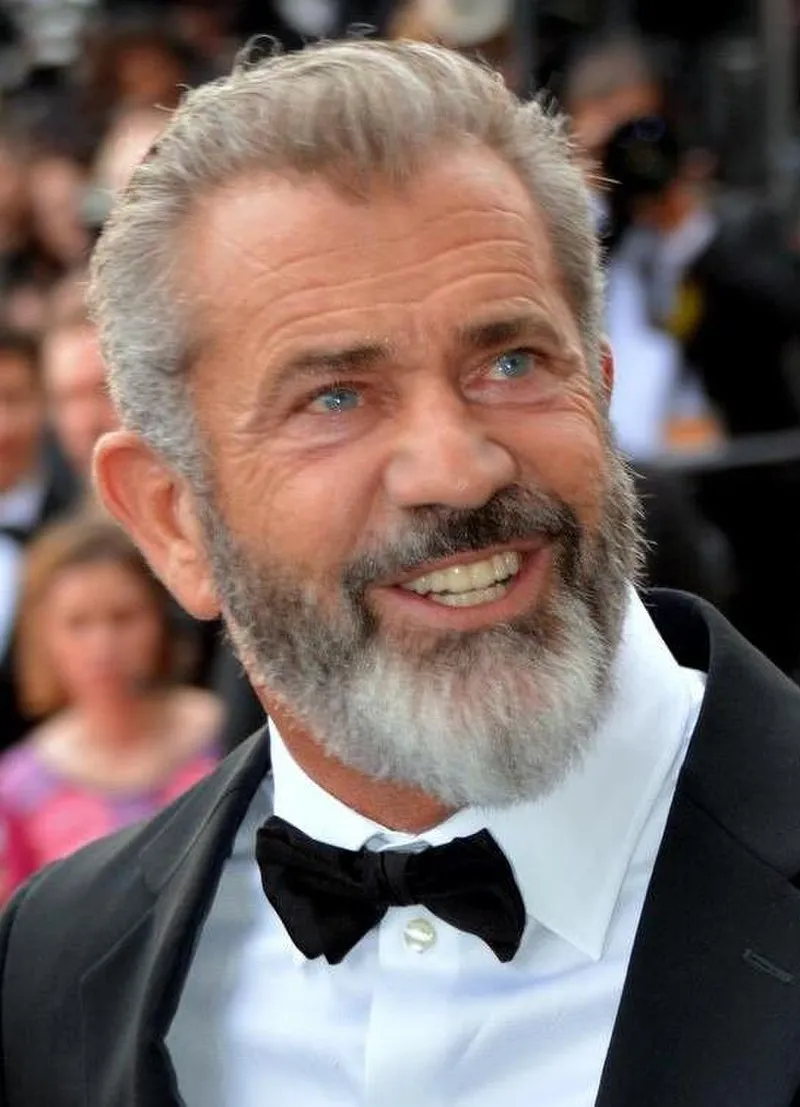 Photo of Mel Gibson, via Wikidata/Wikimedia Commons
The Anatomy of a Slow Fade
It starts small. Maybe your agent stops returning calls as quickly. Perhaps that franchise sequel you were expecting to anchor gets "delayed indefinitely." Your publicist mentions that certain events are "invite-only" this year. Before you know it, you're watching younger actors book the roles you would have been offered just two years ago.
"It's death by a thousand paper cuts," explains one former studio executive who spoke on condition of anonymity. "You don't fire Tom Cruise in a boardroom meeting. You just... stop calling."
The most telling sign? When entertainment reporters stop asking about your next project because, frankly, there isn't one to ask about.
The Heigl Blueprint
Katherine Heigl's career trajectory reads like a masterclass in Hollywood's passive-aggressive playbook. After publicly criticizing the writing on "Grey's Anatomy" and calling her own rom-com "Knocked Up" "a little sexist," she found herself branded as "difficult" — the kiss of death for any actress, but especially one without the protection of an Oscar or billion-dollar franchise.
The industry didn't blacklist her with dramatic flair. Instead, offers just became... smaller. Less frequent. Her rom-com queen crown quietly passed to younger actresses while she found herself relegated to forgettable Netflix projects and eventually, cat litter commercials.
"One day you're picking between three studio tentpoles, the next you're grateful for a guest spot on a CW show," notes entertainment lawyer Jonathan Handel. "The transition happens so gradually that denial becomes a survival mechanism."
The New Rules of Irrelevance
Today's quiet firing operates differently than the old studio system's iron fist. Social media metrics now matter as much as box office numbers. An actor's Instagram engagement rate can determine whether they land the Marvel role or get relegated to the "friend of the lead" category.
Look at how carefully studios have distanced themselves from certain once-bankable stars. Will Smith's post-slap career hasn't involved a dramatic public firing — instead, his Apple biopic got "postponed," his Netflix projects became mysteriously quiet, and suddenly everyone's "exploring other options."
The Pivot Point
Some stars catch the fade early enough to reinvent themselves. Matthew McConaughey sensed his rom-com era ending and pivoted to serious dramatic work, earning an Oscar and cultural relevance that persists today. Others, like Taylor Kitsch, never quite figured out why their leading man moment lasted exactly one summer ("John Carter" and "Battleship" both bombing didn't help).
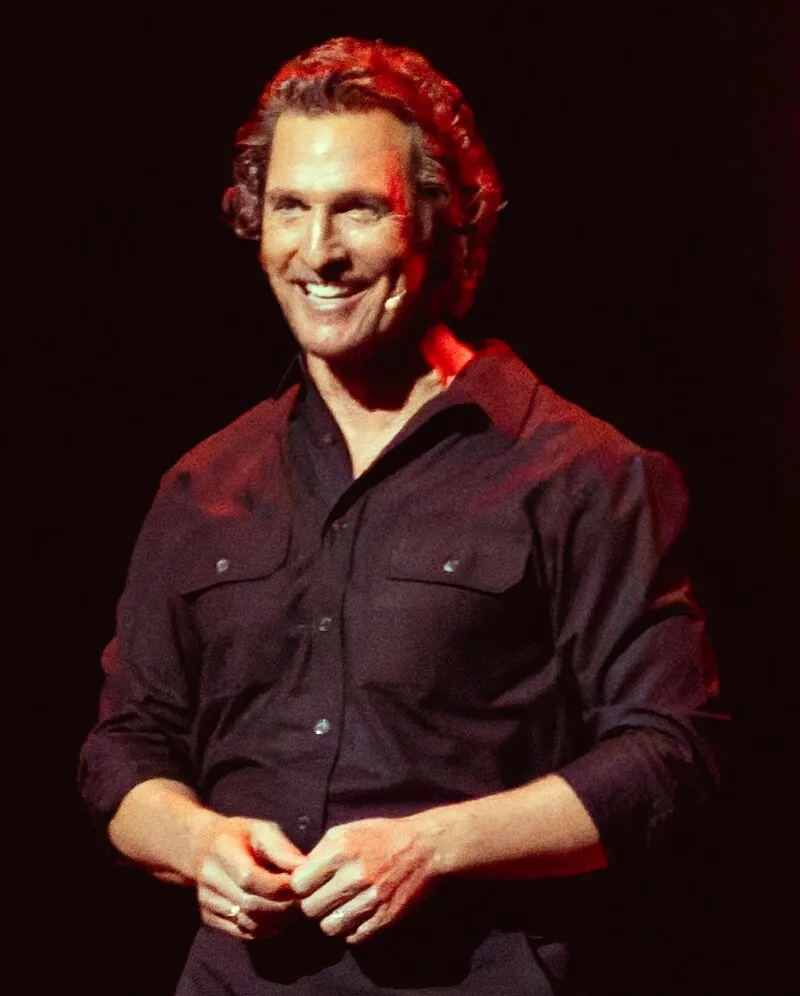 Photo of Matthew McConaughey, via Wikidata/Wikimedia Commons
"The smart ones see the writing on the wall and change the narrative before the industry does it for them," explains a talent agent who represents several A-listers. "The ones who don't adapt become cautionary tales."
The Digital Acceleration
Social media has accelerated the quiet firing process exponentially. When Gina Carano's controversial posts started generating more headlines than her acting, Disney didn't need a boardroom meeting to write her out of "The Mandalorian." The announcement came via a brief statement, and suddenly her character just... wasn't there anymore.
The message to other actors was clear: your Twitter account is now part of your performance review.
When Silence Speaks Volumes
Perhaps the most chilling aspect of Hollywood's quiet firing is how it's normalized the erasure of careers. We've become so accustomed to stars simply disappearing from our screens that we rarely question where they went.
Armie Hammer's career didn't end with a press conference — it ended with projects quietly removing his name from credits and co-stars deleting Instagram photos. By the time the full scope of allegations emerged, the industry had already moved on.
The Economics of Erasure
Studios have perfected the art of the non-renewal. Why create headlines with a dramatic firing when you can simply let contracts expire? Why generate controversy when you can just "go in a different direction"?
This approach protects studios from backlash while maintaining plausible deniability. No one can accuse them of blacklisting when they're just "making creative choices."
Watching the Watchers
The most telling indicator of a quiet firing isn't what happens — it's what doesn't happen. No follow-up projects announced at Comic-Con. No interviews scheduled during awards season. No paparazzi shots because, frankly, no one's paying for them anymore.
Industry insiders know to watch for the silence. When trade publications stop mentioning your name in casting rumors, when your publicist starts taking longer to respond to interview requests, when your co-stars stop tagging you in promotional posts — that's when you know.
The most brutal part? By the time you realize you've been quietly fired, the industry has already moved on, and your replacement is probably already filming your would-have-been comeback role.
In an industry built on dreams and dramatic moments, sometimes the most devastating career ending is the one that happens so quietly, nobody notices until it's already over.