The 'Second Act' Casting Call: Why Hollywood's Comeback Machine Only Works for the Chosen Few

The Resurrection Game Has Rules — Just Don't Expect Them to Be Fair
Hollywood loves a good comeback story almost as much as it loves tearing someone down in the first place. But here's the tea that nobody wants to brew: the celebrity resurrection game has an unspoken VIP list, and your spot on it has less to do with talent and more to do with a complex algorithm of privilege, timing, and whether you fit the industry's very specific redemption narrative.
Take Robert Downey Jr., the poster child for Hollywood second acts. After years of legal troubles and career nosedives in the early 2000s, Iron Man didn't just save his career — it launched him into the stratosphere of A-list immortality. Fast forward to today, and RDJ is collecting Oscar gold for "Oppenheimer" while his Marvel paychecks still clear. The comeback blueprint seems simple: mess up, disappear for a hot minute, show some humility, then let the industry machine work its magic.
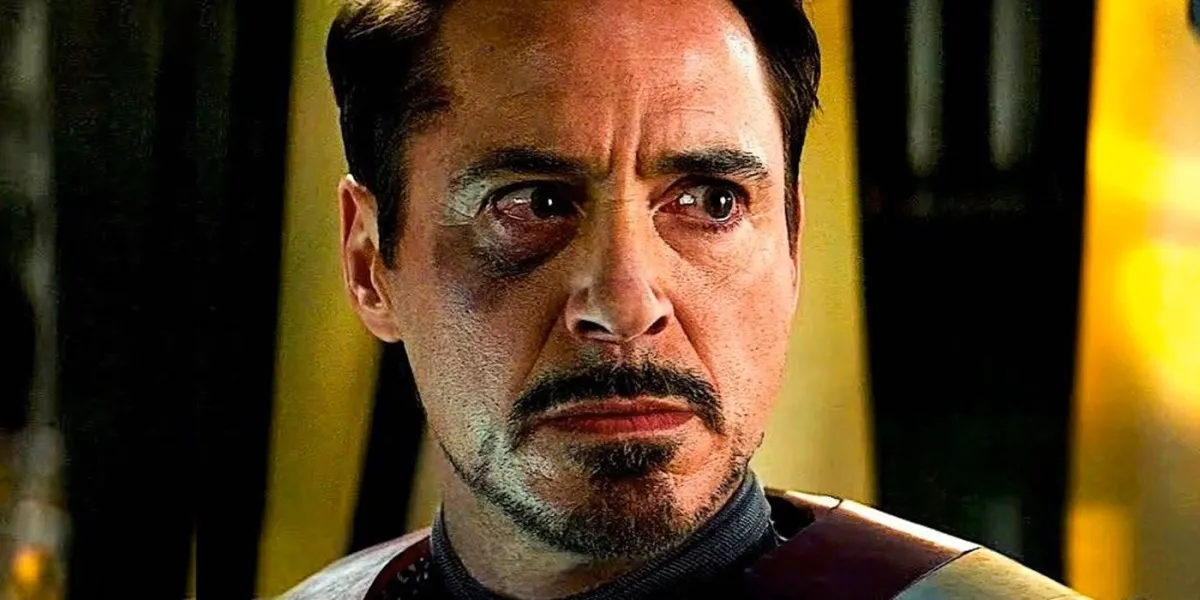 Photo: Robert Downey Jr., via static1.moviewebimages.com
But try applying that same formula across gender and racial lines, and suddenly the math doesn't add up.
The Gender Gap in Grace
While male celebrities get handed second acts like participation trophies, women have to claw their way back with receipts, apologies, and a level of public contrition that would make a medieval penitent blush. Britney Spears spent over a decade fighting for basic human rights while the media painted her as unstable. When she finally broke free from her conservatorship, the narrative shifted to celebration — but only after years of documented abuse that should have sparked outrage from day one.
 Photo: Britney Spears, via celebritate.com
Meanwhile, Chris Brown has maintained a thriving career despite a laundry list of legal issues that would have buried most female artists six feet under. The industry's willingness to separate "art from artist" seems to have a very convenient gender filter.
Monica Lewinsky had to wait two decades and a cultural reckoning to get her story heard on her terms. Compare that to any number of male politicians or entertainers who've bounced back from scandal in a fraction of the time, often with their careers enhanced rather than diminished.
The Race Factor Nobody Talks About
The comeback machine's racial bias is even more stark. When white celebrities stumble, it's often framed as a "journey" or "growth moment." When Black celebrities face similar situations, they're more likely to be written off entirely or forced to grovel for forgiveness that may never come.
Janet Jackson's career never fully recovered from the 2004 Super Bowl incident — an event that should have been a blip for someone of her stature. Justin Timberlake, her co-participant in the "wardrobe malfunction," sailed through virtually unscathed and continued collecting awards and accolades. The disparity wasn't lost on fans, who finally got their vindication when JT issued a public apology in 2021 — seventeen years too late.
 Photo: Janet Jackson, via images.seattletimes.com
Meanwhile, Mel Gibson has somehow managed multiple comeback attempts despite antisemitic rants and domestic violence allegations. The industry's selective memory seems to have convenient blind spots when it comes to certain types of behavior from certain types of people.
The Economics of Forgiveness
Here's where it gets really messy: Hollywood's forgiveness isn't about morality — it's about money. The celebrities who get second acts are the ones who can still generate revenue, either through nostalgia, talent that's too valuable to waste, or a fanbase that's willing to stick around through the drama.
Robert Downey Jr. got his Marvel moment because he was still a genuinely talented actor who could carry a franchise. His personal struggles actually added to his appeal — the idea of a real-life Tony Stark who'd overcome his demons was marketing gold.
But the economics also explain why certain celebrities get frozen out. When the potential profit doesn't outweigh the PR risk, the industry moves on faster than you can say "cancel culture."
The Authenticity Test
The celebrities who successfully navigate second acts share one crucial trait: they understand that the comeback has to feel earned, not entitled. The public can smell desperation and manufactured redemption from miles away.
Britney's resurgence works because it's not really a comeback — it's a liberation. Her story resonates because people finally understand she was the victim, not the villain. The narrative shift happened organically through documentaries, investigative reporting, and her own social media presence.
Contrast that with celebrities who try to force their way back into relevance through calculated PR moves and strategic interviews. The public's bullshit detector is finely tuned, and audiences can tell the difference between genuine growth and performative redemption.
The New Rules of the Game
Social media has completely changed the comeback playbook. Celebrities can now control their own narratives without going through traditional media gatekeepers. But this direct line to fans also means there's nowhere to hide — every move is scrutinized, every statement dissected, every photo analyzed for hidden meaning.
The most successful modern comebacks happen gradually, through consistent actions rather than grand gestures. Audiences want to see the work, not just hear about it.
What This Means for the Future
The conversation around celebrity comebacks is really a conversation about who deserves forgiveness, who gets to define redemption, and whether the entertainment industry can evolve beyond its historical biases.
As audiences become more aware of these double standards, the old playbook is becoming less effective. The celebrities who thrive in the next decade will be the ones who understand that authentic accountability isn't just good PR — it's the only currency that matters in an attention economy where trust is everything.
The second act casting call is still happening, but the audition requirements are finally starting to change.