When Your Old Tweets Come for Your New Career: Digital Graveyards That Destroyed Reputations
There's an old saying that the internet is forever, but apparently nobody told celebrities that when they were rage-tweeting at 2 AM or posting questionable Instagram stories in 2012. Now, as digital archaeologists armed with the Wayback Machine and screenshots dig through years of social media history, stars are learning that their old posts don't just haunt them—they can completely obliterate their careers.
The Hall of Fame (Or Shame)
James Gunn: When Jokes Stop Being Funny
Director James Gunn discovered just how quickly old tweets can torpedo a career when a series of offensive jokes he'd posted between 2008 and 2012 resurfaced in 2018. The tweets, which made light of serious topics including sexual assault and pedophilia, cost him his job directing Guardians of the Galaxy Vol. 3—at least temporarily.
 Photo of James Gunn, via Wikidata/Wikimedia Commons
What made Gunn's case particularly brutal was the timing. The tweets were weaponized during a political controversy, proving that old posts don't just resurface randomly—they're often deployed strategically by enemies waiting for the perfect moment to strike.
Gunn eventually got his job back after a massive fan campaign and public apologies, but not before spending nearly a year in Hollywood exile. The lesson? Those "edgy" jokes from your pre-fame days might not age as well as you think.
Shane Dawson: A Decade of Receipts
YouTube star Shane Dawson's downfall wasn't caused by a single post but rather a digital paper trail spanning over a decade. Old videos and social media posts featuring racist characters, inappropriate comments about minors, and conspiracy theories created a perfect storm that cost him millions of subscribers, brand partnerships, and his entire career.
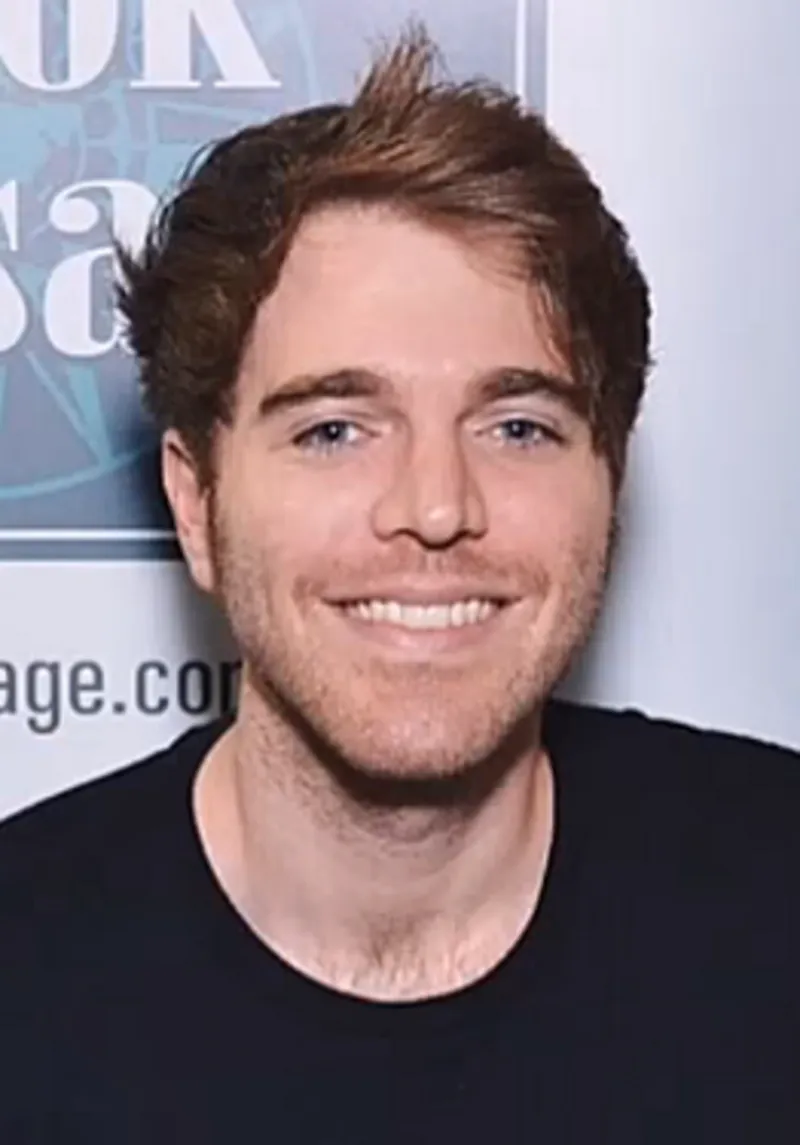 Photo of Shane Dawson, via Wikidata/Wikimedia Commons
What made Dawson's situation unique was the sheer volume of problematic content. It wasn't one bad tweet—it was years of posts that painted a pattern of behavior that fans could no longer ignore. The receipts were so extensive that they required multiple Twitter threads just to catalog.
Gina Carano: When Politics Gets Personal
Former Mandalorian star Gina Carano learned that not all social media hills are worth dying on. Her series of controversial Instagram posts comparing political persecution to the Holocaust, along with posts questioning COVID-19 safety measures and the 2020 election results, ultimately cost her lucrative Disney contracts.
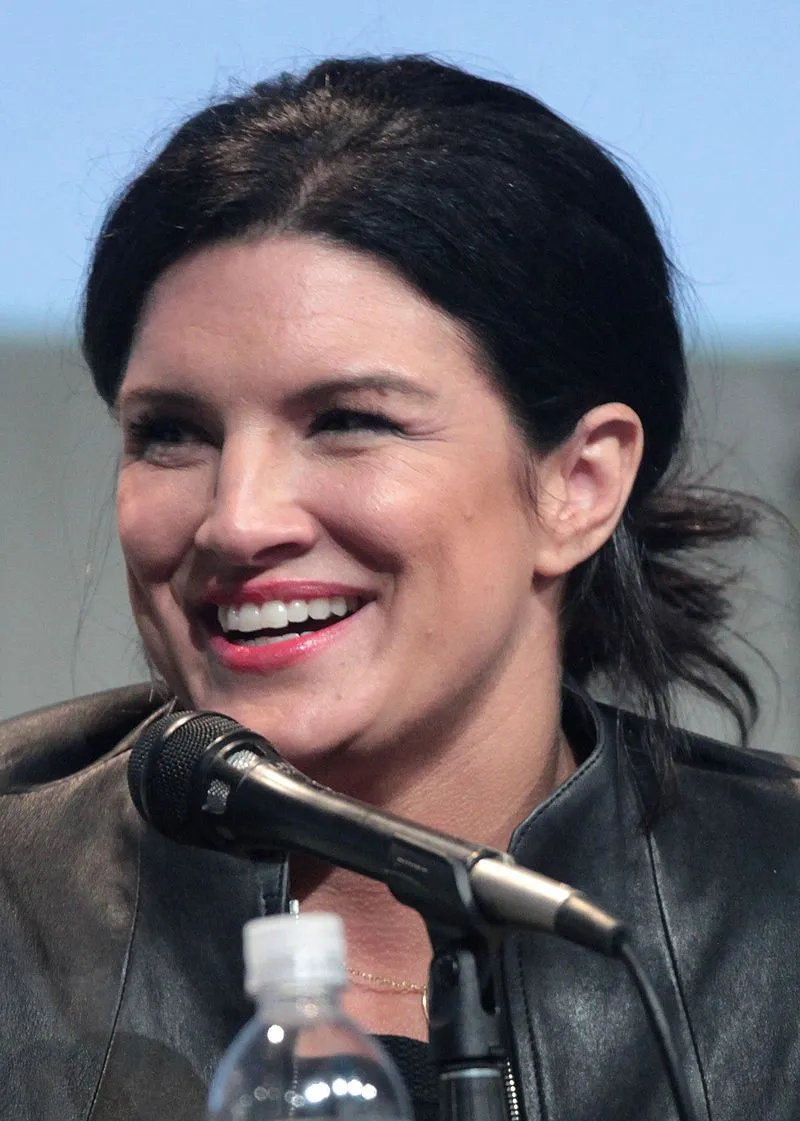 Photo of Gina Carano, via Wikidata/Wikimedia Commons
Carano's case highlighted how social media posts are now considered extensions of a celebrity's professional brand. Disney's swift action sent a clear message: your personal posts can absolutely cost you your professional opportunities.
The Anatomy of a Digital Downfall
The Discovery Phase
Most career-ending social media discoveries follow a predictable pattern. It often starts with a fan or critic doing "research" on a celebrity—sometimes out of genuine curiosity, sometimes with malicious intent. They'll use tools like Twitter's advanced search to comb through years of posts, looking for anything that doesn't align with the celebrity's current image.
The most damaging discoveries usually involve posts that contradict a celebrity's current stance on important issues, reveal prejudices, or show behavior that's simply inexcusable by today's standards.
The Screenshot Swarm
Once problematic posts are discovered, the internet moves fast. Screenshots are taken (because deleting posts after they're discovered often makes things worse), threads are compiled, and the evidence spreads across platforms faster than celebrities can respond.
The most effective takedowns aren't single posts but collections that show patterns of behavior. A racist joke from 2011 might be dismissible as a one-off mistake, but ten racist jokes spread across three years becomes evidence of character.
The Amplification Effect
Social media algorithms are designed to promote engagement, and nothing drives engagement quite like outrage. Once problematic posts start circulating, they tend to reach far beyond a celebrity's usual audience, often landing on the desks of journalists, brand partners, and industry executives.
The Delete Dilemma
Many celebrities' first instinct when old posts resurface is to delete them, but this strategy often backfires spectacularly. Deleting posts after they've been screenshot and shared can make celebrities look guilty and calculated, rather than genuinely remorseful.
Some stars have tried to get ahead of potential problems by proactively deleting old content, but this approach has its own risks. Mass deletions can spark speculation about what someone is trying to hide, leading to even more intense scrutiny.
The Apology Algorithm
When old posts surface, the celebrity apology playbook typically follows a predictable script: express regret, claim personal growth, promise to do better. But audiences have become increasingly sophisticated at detecting genuine remorse versus damage control.
The most successful recoveries tend to come from celebrities who can demonstrate actual change through their actions, not just their words. James Gunn's reinstatement came partly because he could point to years of different behavior since the problematic tweets.
The Statute of Limitations Debate
One of the biggest questions in cancel culture is whether there should be a statute of limitations on old social media posts. How old is too old to matter? How much should someone be held accountable for views they held as a teenager or in their early twenties?
The answer seems to depend on the severity of the posts, the celebrity's response, and the current cultural moment. Posts that were considered edgy humor in 2012 might be career-ending in 2024.
Survival Strategies
The Preemptive Strike
Some celebrities have started hiring social media cleanup services to scrub their old posts before they become problems. These services use automated tools to identify potentially problematic content and remove it before it can be weaponized.
The Transparency Play
Others have chosen radical honesty, acknowledging their past mistakes before anyone else can discover them. This approach can work, but it requires genuine accountability and a willingness to face criticism head-on.
The Platform Pivot
Some celebrities have simply abandoned platforms where their old content lives, moving to newer platforms where they can start fresh. But this strategy only works if the old content doesn't follow them.
The New Reality
The message is clear: in the age of screenshots and digital permanence, every post is a potential career bomb waiting to explode. Celebrities who built their early fame on being controversial or "authentic" are finding that yesterday's authenticity can be today's liability.
For today's rising stars, the lesson is simple: tweet like your future self is watching, because they probably will be—along with millions of other people with very good memories and even better screenshot skills.