Sliding Into Irrelevance: The Celebrities Who Went Viral for All the Wrong Reasons — and Never Recovered

When Fifteen Minutes of Fame Becomes a Lifetime Sentence
In the digital age, celebrity scandals follow a predictable pattern: outrage, apology, forgiveness, comeback. But sometimes, the internet decides that certain transgressions are unforgivable, and no amount of PR damage control can resurrect a career that died in real-time on social media.
Welcome to the hall of fame for career-ending viral moments — where one tweet, interview, or awards show meltdown became a permanent stain that no amount of image rehabilitation could wash out.
The Anatomy of a Career-Killing Moment
Not all scandals are created equal. The difference between a recoverable controversy and a reputation death sentence often comes down to a few key factors: timing, authenticity of the apology, public sentiment at the moment, and most crucially — whether the incident reveals something fundamentally unlikable about the celebrity's character. The Point of No Return Formula:
- Incident reveals perceived arrogance or entitlement
- Apology feels insincere or deflects blame
- Timing coincides with broader cultural conversations
- Internet creates lasting memes that define the celebrity
- Follow-up behavior confirms rather than contradicts the initial impression
Case Study: The Slap That Ended an Era
Will Smith's Oscars slap heard 'round the world represents perhaps the most dramatic example of a single moment obliterating decades of goodwill. In the span of thirty seconds, America's sweetheart transformed into a cautionary tale about unchecked privilege and toxic masculinity. What made this particular incident so devastating wasn't just the violence — it was the immediate aftermath. Smith's decision to remain in his seat, accept his Oscar, and deliver a rambling acceptance speech revealed a level of entitlement that audiences found irredeemable. The subsequent "apology tour" felt calculated rather than genuine, and each interview only seemed to dig the hole deeper.
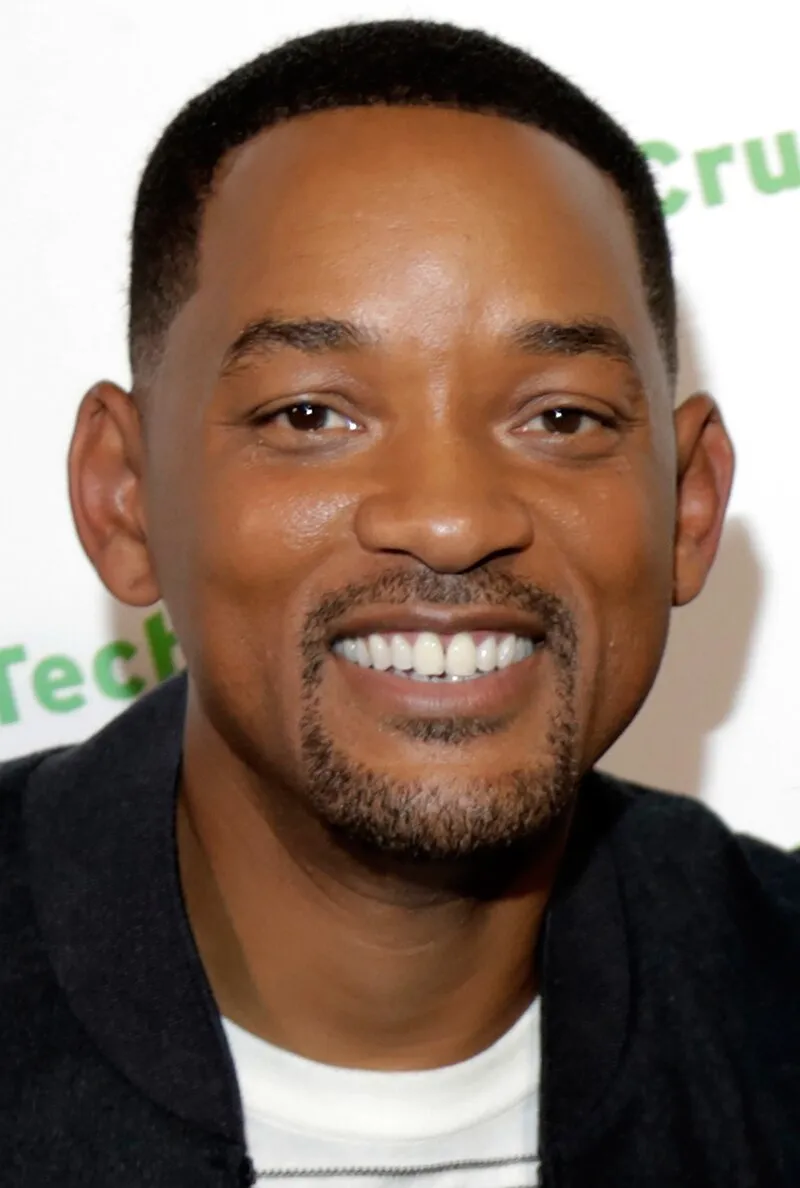 Photo of Will Smith, via Wikidata/Wikimedia Commons
The memes were merciless and permanent. "Keep my wife's name out your mouth" became shorthand for unhinged celebrity behavior, ensuring that Smith's legacy would forever be tied to that moment of poor judgment.
The Twitter Graveyard
Social media has created a new category of career suicide: the unhinged tweet thread. Unlike traditional media gaffes, Twitter meltdowns happen in real-time, allowing audiences to watch careers implode 280 characters at a time. Kanye West turned Twitter into his personal therapy session, but his antisemitic rants crossed a line that even his most devoted fans couldn't defend. The difference between his earlier controversial statements and his 2022 Twitter spiral was the systematic nature of the hate speech. Previous Kanye controversies felt like misguided artistic expression; these felt like genuine hatred.
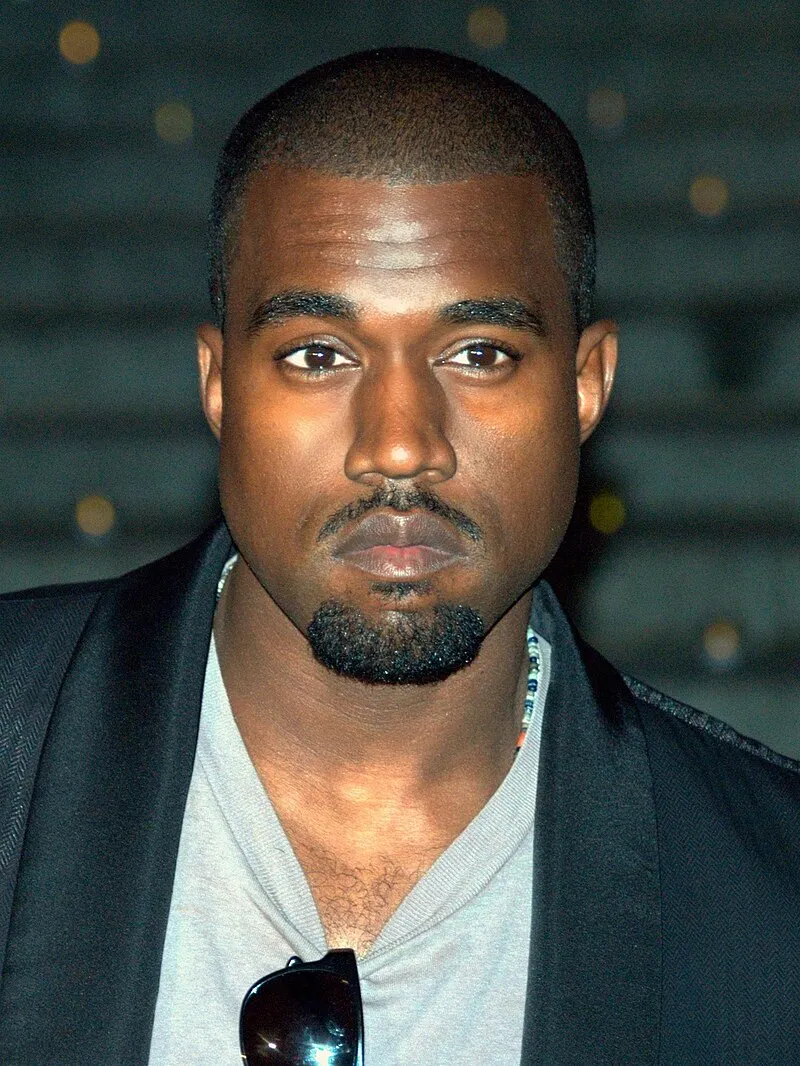 Photo of Kanye West, via Wikidata/Wikimedia Commons
The business world responded swiftly. Adidas ended their Yeezy partnership, costing both parties billions. Balenciaga, Gap, and other major brands followed suit. When your tweets cost corporate partners more money than your talent generates, recovery becomes mathematically impossible.
The Interview That Broke the Internet (And a Career)
Ellen DeGeneres built her brand on kindness, making the revelations about her toxic workplace behavior particularly damaging. But it wasn't the initial reports that ended her career — it was her tone-deaf response during her comeback interview.
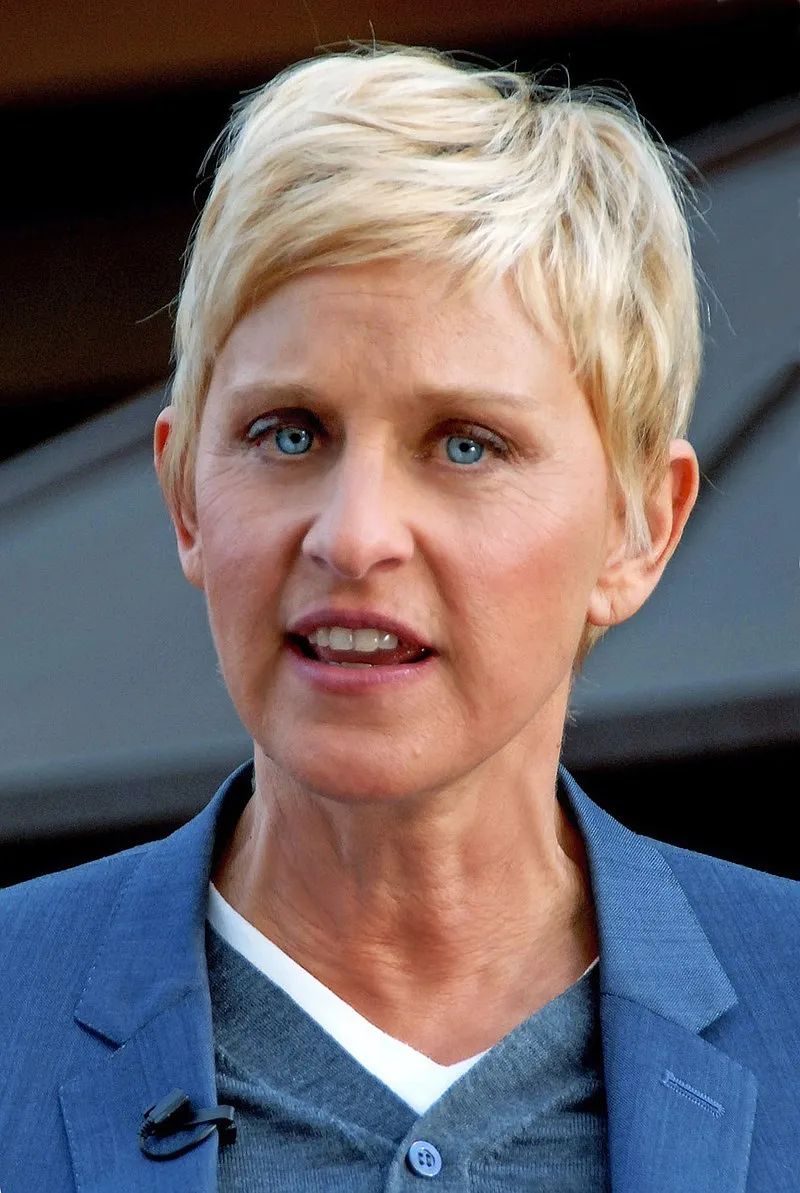 Photo of Ellen DeGeneres, via Wikidata/Wikimedia Commons
Comparing her cancellation to being in prison while sitting in her multi-million dollar mansion revealed a level of disconnect that confirmed every criticism about her character. The internet had already decided Ellen was fake; her response proved she was also delusional.
The memes were swift and brutal: "Ellen in prison" became a running joke that highlighted her privilege and lack of self-awareness. Unlike other celebrities who've successfully navigated cancellation, Ellen's fundamental brand promise — authenticity and kindness — had been irreparably broken.
The Award Show Meltdown Hall of Fame
Kanye West's 2009 VMAs interruption of Taylor Swift wasn't just rude — it was the beginning of a pattern that would define his public persona for the next decade. What made this moment particularly damaging was how it revealed his character: someone who would publicly humiliate a young woman to make a point about artistic merit.
The incident created a cultural divide that still exists today. Team Taylor vs. Team Kanye became a litmus test for how you viewed celebrity entitlement, and West consistently chose the wrong side of public opinion.
When Authenticity Becomes Liability
Mel Gibson's 2006 DUI arrest and subsequent antisemitic rant revealed something audiences couldn't unsee: genuine hatred disguised as artistic passion. Unlike other celebrity DUI incidents, Gibson's meltdown included specific bigoted language that suggested these weren't alcohol-induced mistakes but revelations of his true character.
Hollywood's response was swift and lasting. Major studios quietly stopped developing projects with Gibson, and his transition from A-list leading man to fringe filmmaker was complete. The industry decided that his talent couldn't offset the reputational risk.
The Social Media Amplification Effect
What separates modern career-ending moments from historical scandals is the internet's ability to create permanent, searchable records of bad behavior. Pre-social media celebrities could disappear for a few years and return with a comeback story. Today's fallen stars face a digital paper trail that follows them forever.
Memes have become the new tabloid headlines — but unlike magazine covers that eventually fade, internet jokes live forever. Every Google search brings up the worst moment of a celebrity's life, making genuine rehabilitation nearly impossible.
The Redemption Roadblocks
Some celebrities have successfully navigated major scandals and returned to prominence. Robert Downey Jr. overcame addiction and legal troubles to become Iron Man. Matthew McConaughey transformed from rom-com punchline to Oscar winner. The difference? Their scandals didn't reveal fundamental character flaws that contradicted their public personas.
The celebrities who never recover share common traits:
- Their controversies revealed hypocrisy (Ellen preaching kindness while being cruel)
- They blamed others instead of taking responsibility
- Their apologies felt scripted rather than genuine
- They continued problematic behavior after the initial incident
- The internet created lasting memes that defined their legacy
The New Rules of Celebrity Survival
In 2025, celebrity scandals operate under different rules than they did even five years ago. Audiences are less forgiving of privilege, more aware of systemic inequalities, and armed with platforms to hold celebrities accountable in real-time.
The celebrities who survive understand that authenticity can't be performed — it has to be lived. Those who treat apologies as PR exercises rather than genuine accountability find themselves permanently exiled from public favor.
The Permanent Timeout
The internet doesn't forget, and it doesn't always forgive. For every comeback story, there are dozens of celebrities who discovered that some bridges, once burned, can never be rebuilt.
In the attention economy, irrelevance is worse than infamy — and these fallen stars have achieved both.
Sometimes the only thing worse than being talked about is being the punchline everyone's tired of hearing.