The 'Breakup Album' Blueprint: How Heartbreak Became the Most Profitable Move in the Music Industry
When Love Dies, Albums Are Born
There's a formula brewing in the music industry, and it's as predictable as it is profitable: relationship ends, studio sessions begin, Grammy nominations follow. The "breakup album" has evolved from an organic artistic response to heartbreak into what might be the most reliable blueprint for commercial and critical success in modern music.
Just look at the receipts. Taylor Swift's folklore and evermore — born from her split with Joe Alwyn — dominated charts and swept award shows. Olivia Rodrigo's SOUR, fueled by teenage heartbreak, turned a Disney Channel actress into a global superstar overnight. Adele's 21 remains one of the best-selling albums of all time, and yes, it was all about that breakup with her ex-boyfriend.
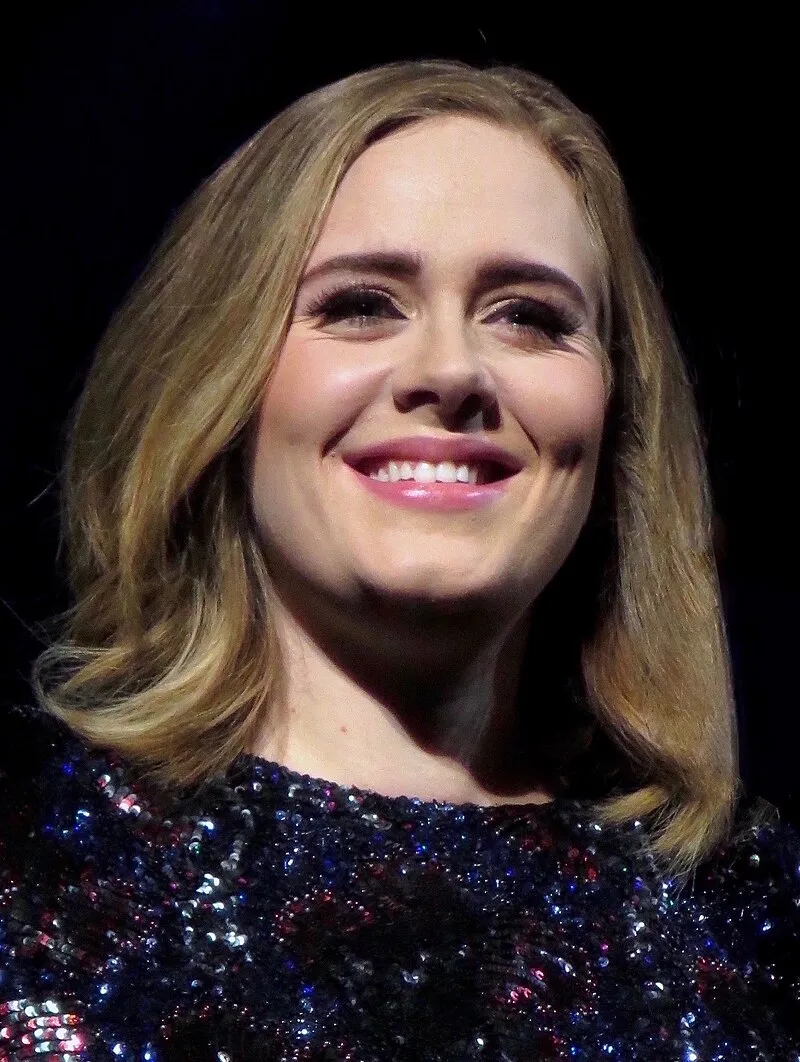 Photo of Adele, via Wikidata/Wikimedia Commons
 Photo of Olivia Rodrigo, via Wikidata/Wikimedia Commons
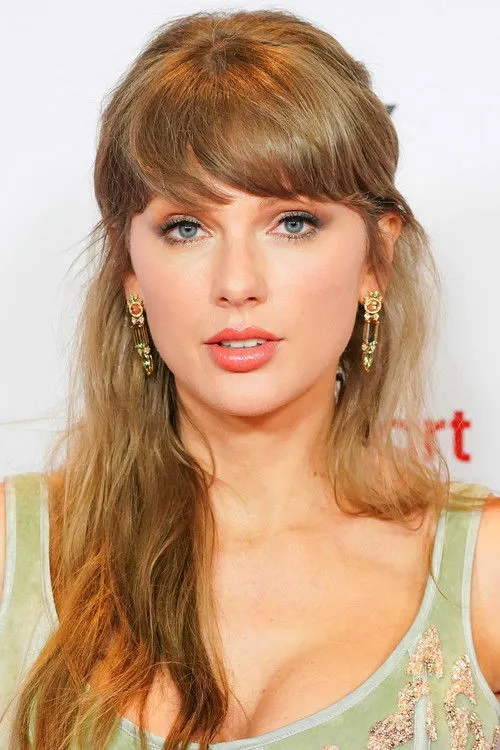 Photo of Taylor Swift, via TMDB
The Science of Sonic Suffering
The mathematics are undeniable. Breakup albums consistently outperform their predecessors in both sales and streaming numbers. But here's where it gets interesting — and slightly uncomfortable. The timeline between split and studio has become suspiciously consistent across the industry.
Most "heartbreak" albums drop 6-18 months after a publicized breakup, just enough time to write, record, and build anticipation without losing the narrative thread. It's almost like there's a playbook: announce the split (preferably with a vague but emotional social media post), disappear from public view, emerge with a vulnerable single, then drop the full album with interviews about "turning pain into art."
Taylor Swift has perfected this cycle to an almost algorithmic degree. Each era of her romantic life corresponds neatly with a musical chapter, and her fanbase has become so invested in this pattern that they actively root for relationship drama. When Swift and Travis Kelce started dating, Twitter was flooded with jokes about the "breakup album" they were already anticipating.
The Authenticity Question
Here's the uncomfortable truth: we can't know how much of this heartbreak is genuine catharsis versus calculated commerce. What we do know is that vulnerability sells, and the music industry has taken notice.
Record labels now factor "personal narrative potential" into artist development. A&R executives openly discuss an artist's "story arc" and how life events can be leveraged for maximum impact. It's not necessarily cynical — artists have always drawn from personal experience — but the systematization of suffering feels different.
Olivia Rodrigo's team, for instance, strategically rolled out SOUR with a carefully orchestrated campaign that positioned her as the voice of Gen Z heartbreak. The album's success wasn't just about the music; it was about the narrative of a teenager processing her first real heartbreak in real-time.
When Fans Become Enablers
Perhaps most telling is how audiences have become complicit in this cycle. Social media is filled with fans hoping their favorite artists get their hearts broken, not out of cruelty, but out of anticipation for the music that might follow.
"I need Billie Eilish to go through a messy breakup so we can get another When We All Fall Asleep," reads a viral TikTok comment with thousands of likes. This sentiment — that an artist's emotional pain is worth it for our entertainment — reveals how the breakup album blueprint has trained us to commodify human suffering.
Fan forums analyze celebrity relationships with the cold calculation of stock traders, predicting which splits will yield the best musical dividends. It's parasocial investment taken to its logical extreme.
The Industry's New Gold Rush
Streaming platforms have leaned into this trend hard. Spotify's algorithm actively promotes "sad girl" playlists, and Apple Music curates "heartbreak" collections that span decades. The data shows that breakup songs have higher replay rates and longer shelf lives than most other emotional categories.
Record executives now view romantic relationships as potential content pipelines. While no one's explicitly encouraging artists to date and break up for material, there's definitely an unspoken understanding that personal drama translates to professional opportunity.
The financial incentives are staggering. Breakup albums consistently debut at #1, generate massive streaming numbers, and create cultural moments that extend far beyond music. They spawn think pieces, TikTok trends, and parasocial therapy sessions that keep artists relevant between album cycles.
The Emotional Labor Economy
What's troubling about this blueprint isn't that artists process their emotions through music — that's been happening since the dawn of creativity. It's that the industry has created an economy around emotional labor that incentivizes public vulnerability.
Artists are expected to not just make music about their pain, but to explain it, promote it, and perform it for months on end. The album cycle becomes a form of public therapy that the artist never really gets to complete because they're constantly reliving it for interviews, performances, and social media content.
The Breaking Point
Some artists are starting to push back against this expectation. Beyoncé's Renaissance was notably about joy and liberation rather than heartbreak. Dua Lipa has been vocal about wanting to make "happy music" that doesn't require personal trauma to authenticate.
But the market pressure remains intense. Happiness doesn't trend on TikTok the way heartbreak does. Joy doesn't generate the same kind of cultural conversation as pain. And record labels know that controversy and emotional vulnerability are the fastest paths to viral success.
What Happens Next?
The breakup album blueprint has become so established that it's starting to parody itself. Artists are aware that audiences expect their pain to be profitable, and some are beginning to subvert those expectations.
But until the economics change — until happy albums sell as well as sad ones, until joy generates as much engagement as heartbreak — the cycle will likely continue. The question isn't whether artists should draw from personal experience; it's whether we've created an industry that requires them to monetize their trauma to stay relevant.
The next time you're streaming that perfect breakup anthem, remember: someone's worst day might just be the music industry's best investment.