Hollywood's Hottest Accessory Isn't a Bag — It's a Cause: Inside the Celebrity Activism Industrial Complex
The Convenient Timing of Conscience
Leonardo DiCaprio posts about climate change from his private jet. Taylor Swift discovers political opinions right before her documentary premiere. A-list celebrities suddenly become passionate advocates for causes that coincidentally align with their current project's press cycle. Welcome to the celebrity activism industrial complex, where moral outrage has become the ultimate accessory.
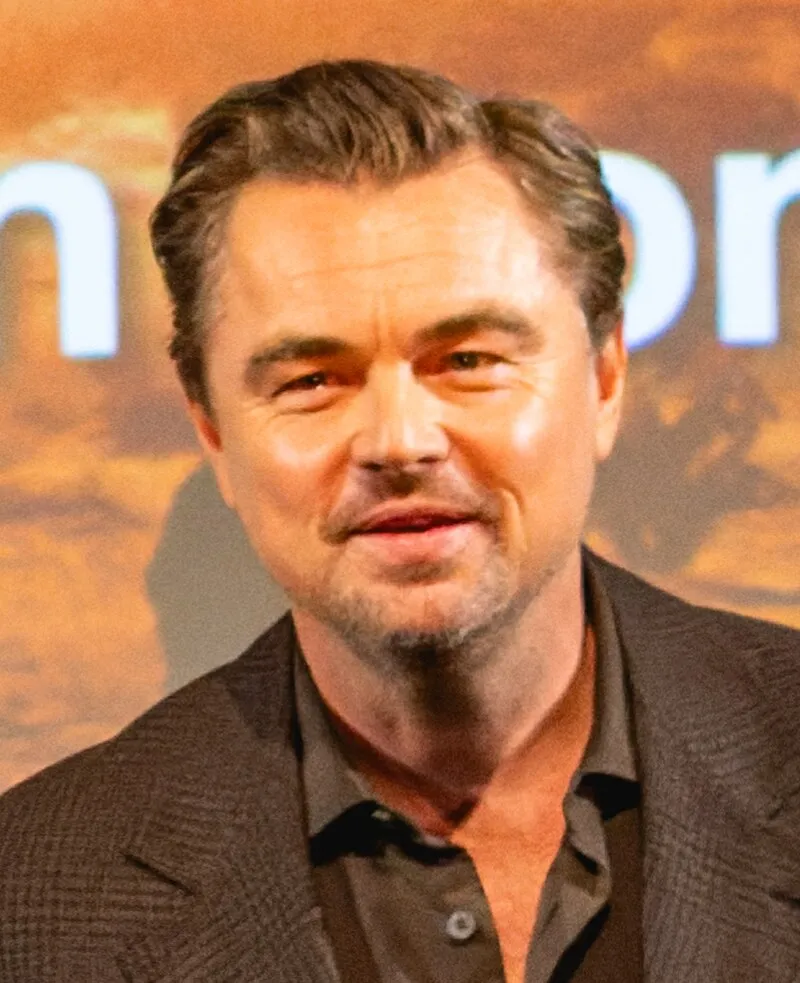 Photo of Leonardo DiCaprio, via Wikidata/Wikimedia Commons
The pattern is so predictable it's almost algorithmic: celebrity faces career crisis or needs buzz, celebrity identifies trending cause, celebrity posts Instagram infographic, celebrity appears on talk shows discussing their "awakening," celebrity wins praise for "using their platform," celebrity moves on to next project. Rinse, repeat, profit.
The Strategic Timing Game
Let's talk about timing, because in celebrity activism, timing is everything. Notice how environmental advocacy spikes during award season? How social justice posts mysteriously align with album releases? How humanitarian concerns emerge right after a PR scandal?
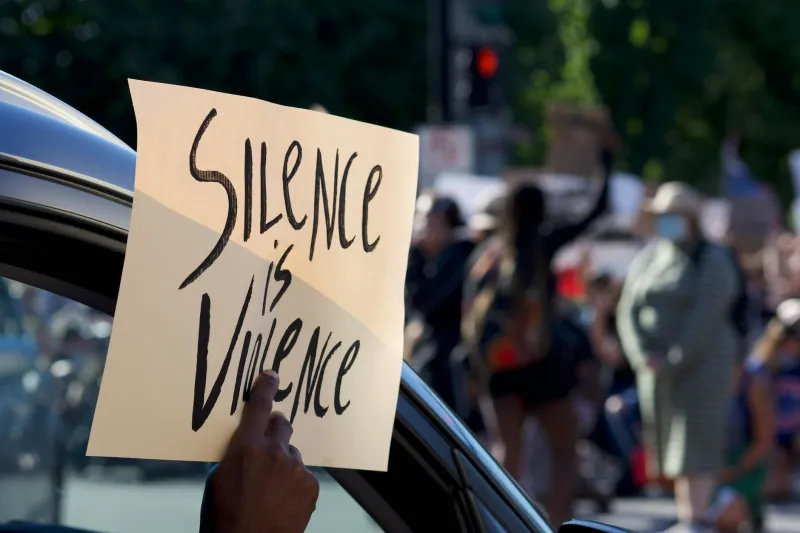
Take the 2020 Black Lives Matter protests. While many celebrities had long histories of supporting civil rights causes, others seemed to discover racial injustice existed only when Instagram squares turned black and staying silent became more damaging than speaking up. The difference was glaringly obvious to anyone paying attention.
Genuine activists like John Legend, Angelina Jolie, and Mark Ruffalo have been consistently showing up for causes for years, often when cameras weren't rolling. But for every authentic advocate, there are three celebrities whose activism conveniently appears when they need positive headlines.
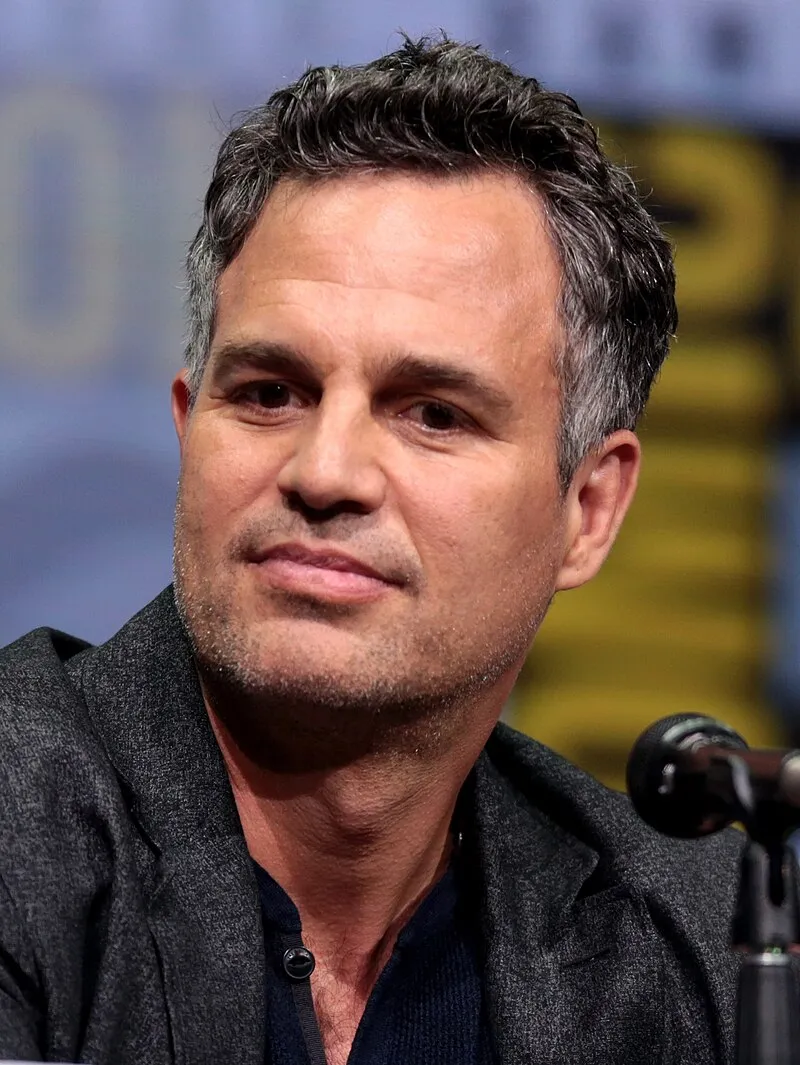 Photo of Mark Ruffalo, via Wikidata/Wikimedia Commons
 Photo of Angelina Jolie, via Wikidata/Wikimedia Commons
The Playbook: How to Activist While Famous
The celebrity activism playbook has become so standardized that PR firms literally have templates. Step one: identify a trending cause that won't alienate your core fanbase. Step two: post a carefully crafted statement that says something without saying anything. Step three: make a donation large enough to generate headlines but small enough to not impact your lifestyle. Step four: appear at one high-profile event. Step five: return to regularly scheduled programming.
The language is always the same too. "I'm using my platform to amplify voices." "It's important to speak up." "Silence is complicity." These phrases have become activism Mad Libs, filled in with whatever cause is trending that week.
When Activism Meets Algorithm
Social media has turbo-charged performative activism by turning complex social issues into shareable content. Celebrities can now demonstrate their values through Instagram stories that disappear in 24 hours — the perfect medium for temporary moral stances.
The rise of "activism aesthetics" has turned serious causes into visual branding opportunities. Perfectly curated protest photos, designer "activist" merch, and color-coordinated awareness campaigns have transformed social movements into content opportunities.
Influencer culture has made this worse by creating metrics for moral engagement. Likes, shares, and comments become the measure of activism's success rather than actual policy change or material impact.
The Real Deal vs. The Performance
So how do you spot the difference between genuine advocacy and calculated PR? Look at the consistency. Real activists show up when it's inconvenient, when cameras aren't rolling, and when there's nothing to promote.
Angelina Jolie has been a UN Goodwill Ambassador since 2001, visiting refugee camps and war zones regularly, often funding her own travel. Her activism predates and continues regardless of her film career.
Mark Ruffalo has been arrested multiple times for environmental protests and has been speaking about climate change since before it was trendy. His activism has actually cost him roles and relationships in Hollywood.
Contrast this with celebrities who suddenly discover feminism when they have a female-driven project to promote, or who become passionate about LGBTQ+ rights during Pride Month when they're launching a new brand.
The Backlash Generation
Gen Z and younger millennials are particularly savvy at calling out performative activism. They've grown up watching celebrities use causes as accessories and they're not buying it anymore.
The "OK boomer" energy has evolved into "OK celebrity" skepticism. Young audiences are quick to pull receipts, fact-check donations, and call out inconsistencies. They want to see long-term commitment, not just trending hashtags.
This generation understands that posting an infographic is not activism. They want to see policy support, financial commitment, and personal sacrifice. They're asking harder questions: How much did you actually donate? What specific organizations are you supporting? What are you personally giving up for this cause?
The Economics of Outrage
Here's what makes celebrity activism complicated: it often works. Even performative advocacy can raise awareness and funds for important causes. The question is whether the ends justify the means when those means involve celebrities profiting off social movements.
Brands pay millions for celebrities to associate with causes because it drives engagement and sales. "Activism" has become a marketing category alongside fashion and beauty. Companies literally budget for "social impact" campaigns the same way they budget for traditional advertising.
This creates a perverse incentive structure where celebrities are rewarded financially for appearing socially conscious, regardless of their actual commitment to the cause.
When Activism Goes Wrong
The most cringe-worthy moments happen when celebrities reveal how little they actually understand about the causes they're promoting. Remember when Madonna compared her career struggles to slavery? Or when Pepsi thought Kendall Jenner could solve police brutality with a soft drink?
These moments expose the fundamental problem with celebrity activism: fame doesn't equal expertise. Having a platform doesn't mean you should use it for every cause, especially when you haven't done the homework.
The worst offenders are celebrities who appropriate the language and imagery of social movements without understanding their history or complexity. They reduce nuanced issues to soundbites and photo ops, often doing more harm than good.
The Accountability Problem
Unlike elected officials or nonprofit leaders, celebrities face no real accountability for their activism. They can champion a cause for a few months, generate positive press, then move on without any follow-up on their commitments.
There's no celebrity activism report card, no database tracking whether their donations actually materialized, no oversight on how their advocacy affected real policy change. They get credit for caring without having to prove they actually care.
What Actually Works
When celebrity activism works, it's usually because the celebrity has genuine personal connection to the cause, maintains long-term commitment, and uses their platform to amplify experts rather than center themselves.
Dolly Parton's literacy programs have been running for decades. Oprah's educational initiatives have put thousands of kids through school. These aren't publicity stunts; they're sustained commitments that have measurable impact.
The most effective celebrity activists understand that their job is to bring attention and resources to experts who are already doing the work, not to position themselves as the solution.
The Future of Famous Activism
As audiences become more sophisticated about spotting performative activism, celebrities will need to evolve their approach. The bar is rising for what constitutes authentic advocacy, and the tolerance for hashtag activism is declining.
The celebrities who adapt will be those who commit to causes long-term, educate themselves thoroughly, and accept that real activism sometimes requires personal sacrifice and career risk.
Because at the end of the day, the most important accessory isn't the cause you carry — it's the commitment you keep when nobody's watching.