Caught on Camera — By Their Own Booking Agent: Inside Hollywood's Fake Paparazzi Boom
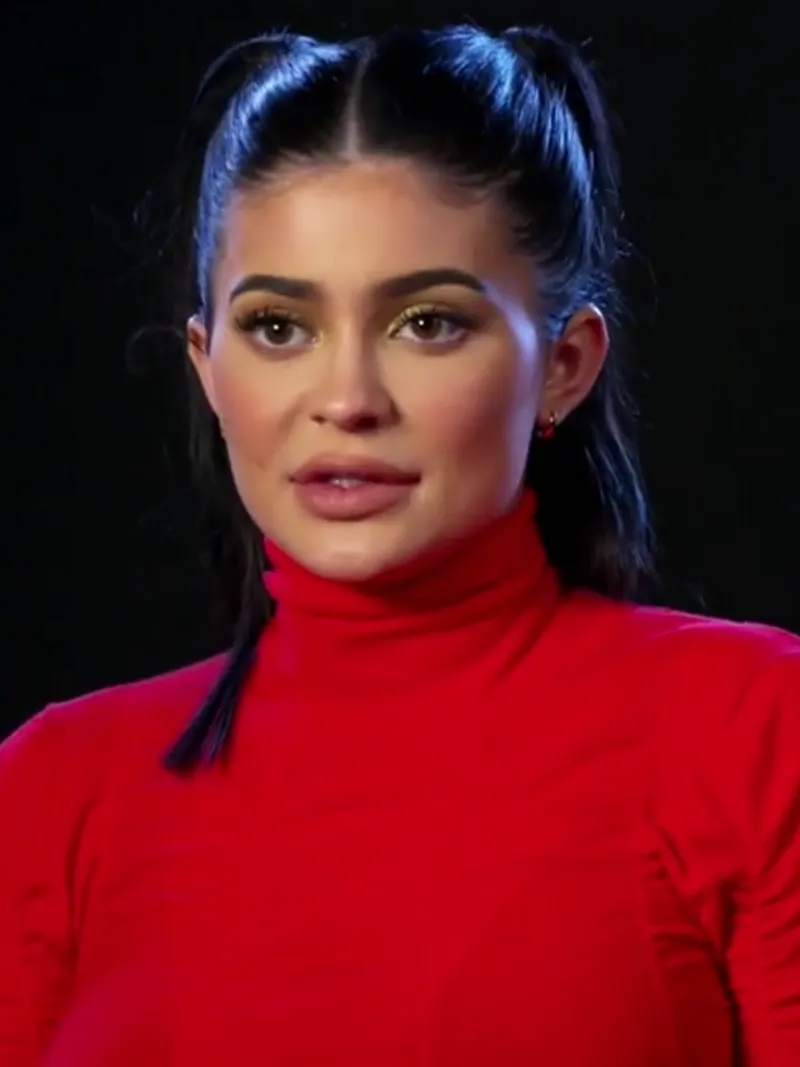
Photo of Kylie Jenner, via Wikimedia Commons
There's a particular species of celebrity photo you've seen a thousand times without ever questioning it: the star, alone, mid-stride, holding an iced coffee the size of a fire hydrant, hair doing that thing hair does when it's effortless, caught — allegedly — by some lucky snapper who just happened to be standing outside a Malibu smoothie joint at 9 a.m. on a Tuesday.
Here's the uncomfortable truth the industry whispers about but rarely says out loud: a meaningful chunk of these moments are booked, budgeted, and delivered like any other vendor service.
The 'Controlled Candid' Is a Real Product
Ask around long enough and a pattern emerges. Several photo agencies and freelance shooters — none of whom are exactly eager to go on the record — have long offered what insiders call a 'controlled candid': a paparazzi-style set staged in advance, shot from flattering angles, and then 'leaked' to outlets or sold through the usual channels.
The pricing, per multiple industry reports over the years, ranges from a few hundred dollars for a basic walk-and-hold-the-dog session into the low five figures for a full 'spotted leaving dinner' production with a second shooter for authenticity. That's a bargain compared to the alternative, which is leaving your image to a genuine lens-fluenced stranger crouched in a bush.
Why would a famous person pay to be hunted? Control. A real pap shot is a slot machine: you might get magic, you might get a double chin and a mouth full of burrito. A staged one is a guaranteed drop. As one longtime entertainment photographer told outlets covering the phenomenon years ago, the give-away is often the subject's suspiciously good skin in direct flash — 'nobody looks retouched in real paparazzi lighting.'
The Telltale Signs Fans Have Learned to Spot
The internet, naturally, has developed a forensic unit. Spend ten minutes on celebrity Reddit or pop-culture X and you'll find armchair analysts breaking down staged-photo tells with the rigor of the Zapruder film:
- The eye-line check. Real paparazzi come from unpredictable angles. Staged shooters tend to cluster on the subject's 'good side,' producing a suspiciously consistent portfolio of one cheek.
- The no-sweat rule. A candid hike photo where the star's ponytail is intact, makeup is fresh, and there's not a bead of sweat in 90-degree heat? Readers notice.
- The single-outlet debut. Genuine candids typically hit wire services broadly. When one specific set of images appears with one outlet and a suspiciously cooperative narrative, the quote-tweets write themselves.
- The convenient product placement. If the 'spontaneous' errand run features a visible brand logo, congratulations — you may be looking at an ad wearing a paparazzi costume.
Why This Matters More Than It Used To
The stakes have gone up because the authenticity economy has gone up. In the influencer era, 'relatable' is currency, and a perfectly timed candid is the most relatable artifact money can buy. It says: I'm just like you, except photographed. For stars managing a rebrand, a new relationship, or a post-scandal soft return, the controlled candid is often step one of the playbook — the visual press release.
It's also a defensive move. Real paparazzi encounters can be genuinely dangerous, and several stars have spoken openly about chasing photographers, car pursuits, and feeling hunted. Nobody's mocking that. The irony is that the legitimate safety concerns make it easier for staged shoots to hide in plain sight: when a fan cries 'staged,' the counter is always 'maybe they just want to be left alone.' Both things can be true, and both often are.
What Happens Next
Expect the arms race to continue. As audiences get savvier, the productions get sloppier-proofed: worse angles, deliberate motion blur, the occasional strategically unflattering frame tossed in as proof of life. Some publicists reportedly now want the 'is this staged?' debate, because engagement is engagement and a screenshot is a screenshot.
The real losers, as ever, are the actual paparazzi — undercut by their own clients, competing against photographers who've been pre-paid to lose. The circle of life, but make it 70-200mm.
Somewhere in Los Angeles right now, a celebrity is putting on 'casual' clothes, a photographer is checking their invoice, and a latte is being positioned for maximum grip-ability — and that's the most honest thing in the frame.